Urban District Mobile Toilet Design
The design of mobile toilets in urban districts needs to integrate modularization, environmental protection, intelligent management, and all-age-friendly features. The specific design points are as follows:

1. Basic Structural Design: Balancing Modularization and Stability
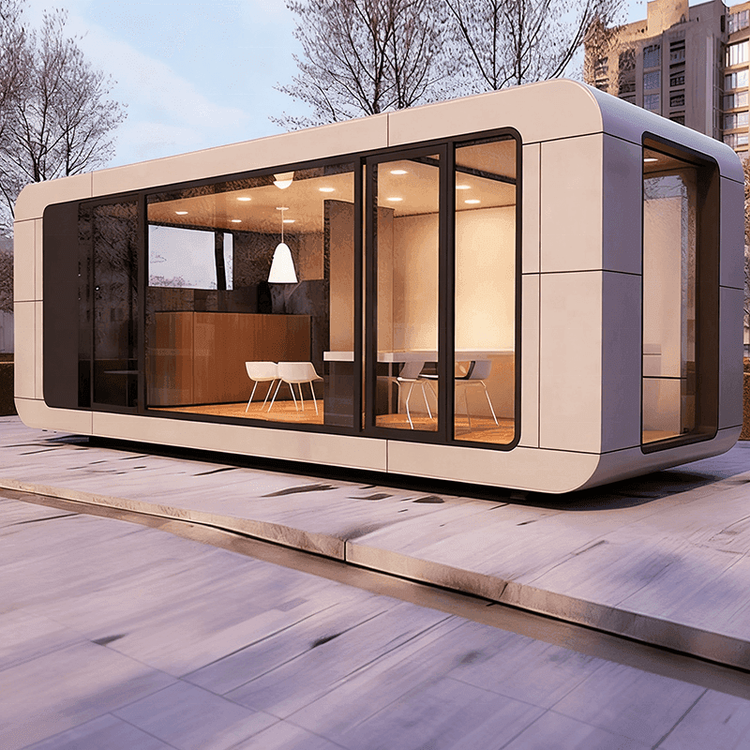
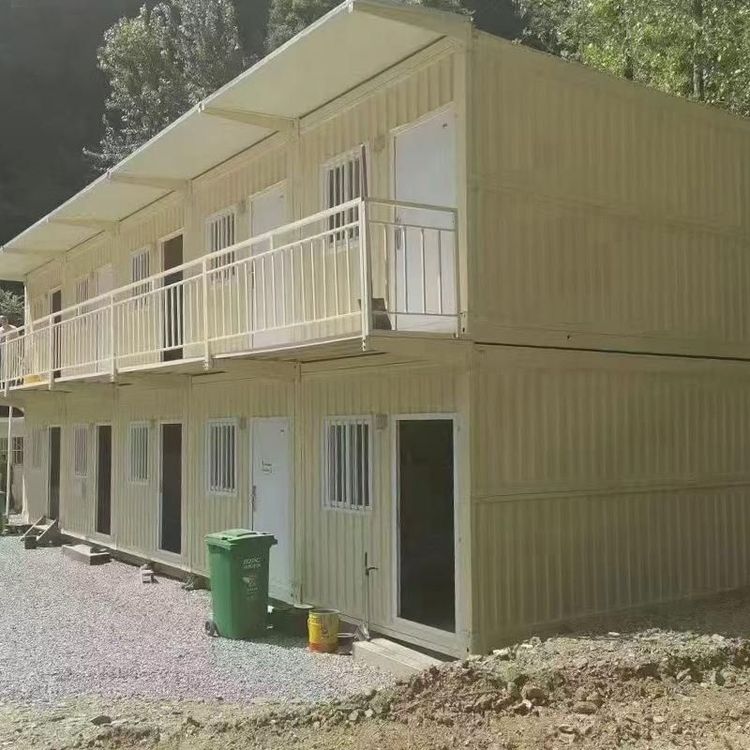
The main frame of the mobile toilet is made of hot-dip galvanized square tubes or light steel keels, which are high-strength and lightweight, facilitating easy transportation and rapid assembly. The standard size of a single toilet cubicle is 1.1 meters in length, 1.2 meters in width, and 2.55 meters in height. It can be expanded into multi-cubicle or multi-functional facilities through modular combinations. The exterior walls are made of metal carved panels or color-coated steel sheets, while the interior walls use aluminum-plastic panels or bamboo fiber boards, balancing corrosion resistance and aesthetics. The roof is covered with asphalt shingles to enhance wind resistance. The foundation is fixed to a concrete base with anchoring devices, capable of withstanding typhoons of magnitude 9 and earthquakes of magnitude 7, ensuring stability in extreme environments.
2. Environmental Protection Technology: Resource Recycling and Pollution Control
The water-saving system employs foam sealing technology, requiring only 0.01 liters of water per flush, achieving a water-saving rate of 98%. Microbial degradation technology converts feces into harmless substances through microbial colonies within 5-7 days, enabling zero-flush operation. Sewage treatment is equipped with septic tanks or vacuum self-priming devices, with sewage pipes having a diameter of no less than 200 millimeters. In northern regions, electric auxiliary heating anti-freeze systems are added to cope with low-temperature environments. Energy supply relies on rooftop photovoltaic panels, meeting the daily electricity demand of 50 people. In special scenarios such as plateaus, booster power systems are configured to ensure stable equipment operation.
3. Intelligent Management: Data-Driven and Proactive Services
Through the Internet of Things, real-time monitoring of toilet cubicle occupancy, energy consumption, and equipment status is achieved. Gravity sensors automatically activate disinfection sprays and provide voice reminders for forgotten items when a person leaves the toilet. The temperature control system covers extreme environments from minus 35 degrees to 50 degrees Celsius, with a control accuracy of ±1 degree Celsius, ensuring internal comfort. Smart paper dispensers, infrared flushing devices, and other equipment reduce manual intervention and improve operational efficiency.
4. Humanized Design: All-Age-Friendly and Barrier-Free Adaptation
The slope of the passageways is strictly controlled within 2.7%, with a wheelchair turning space of no less than 1.5 meters. The third toilet is equipped with child safety seats, folding nursing tables, and emergency call buttons to meet the needs of special groups. Sanitary facilities integrate antibacterial handrails and ultraviolet disinfection lamps. The environmental control system maintains ammonia concentration below 0.3 milligrams per cubic meter and hydrogen sulfide concentration below 0.01 milligrams per cubic meter, ensuring air quality.