
Urban Container House
Urban container houses are architectural forms that are transformed or assembled based on containers as the foundational modules. They possess characteristics such as flexible adaptability, controllable costs, and rapid construction, and can be applied in various scenarios including temporary accommodation, commerce, entrepreneurship, and emergency support.
Structural and Construction Features
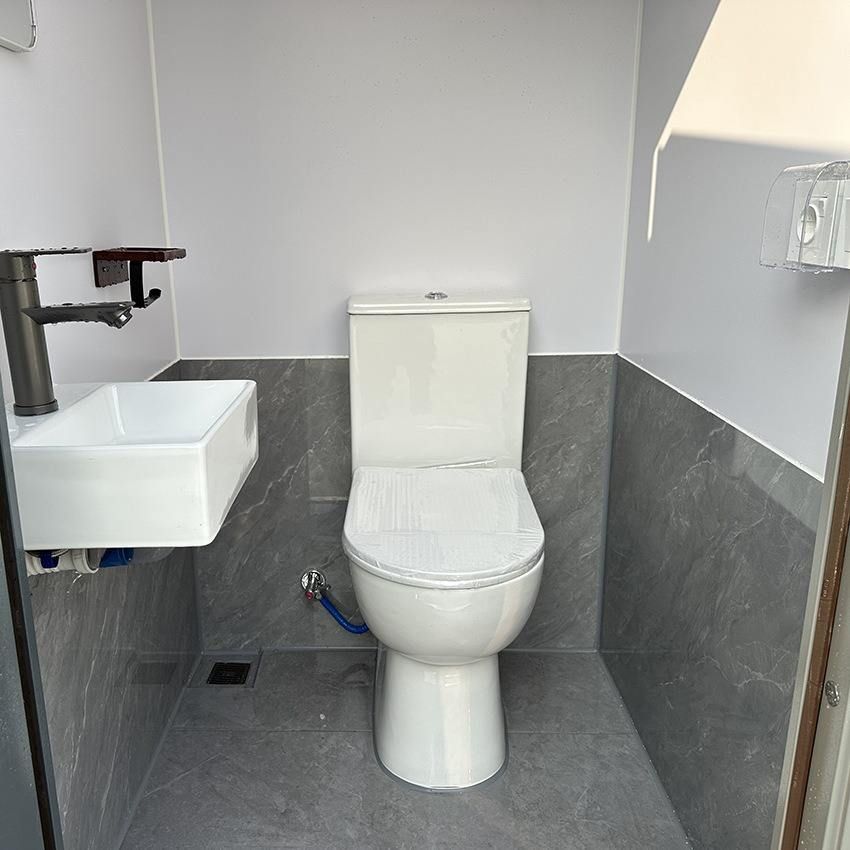
Container houses use standard containers as basic units, which are modified and combined through cutting, splicing, stacking, and other methods. The main structural body is mostly a steel frame, with some adopting full-welding processes to ensure structural stability and meet certain wind and earthquake resistance requirements. For example, some products have a wind resistance rating of up to Level 12 and an earthquake resistance rating of Level 8. The houses can be prefabricated in factories with interior decoration and facility installation completed, and then transported to the site for hoisting and splicing to quickly form a complete building, significantly shortening the construction period.
Application Scenarios
- Temporary Accommodation: At the Nagoya Asian Games, to reduce costs, a large-scale athletes' village was not built. Instead, approximately 200 container accommodation facilities were used to house athletes and team officials. Each building consisted of two units, with each unit being about 35 square meters, containing 4 beds and sanitary facilities, etc. However, the space was relatively limited, and issues such as poor accommodation conditions and facility leaks emerged, raising concerns among some national delegations.
- Commercial Sector: For example, Shanghai Wanda Super Market transforms containers of different sizes and shapes through creative modifications into specialty snack stalls and nostalgic-style shops. Through open layouts, store sign designs, and color coatings, it creates a vibrant commercial market cluster, becoming an exploratory case for urban micro-renewal.
- Youth Entrepreneurship Spaces: Universities and local governments are attempting to use container buildings to create youth entrepreneurship spaces. Leveraging their advantages of modularity, rapid construction, and cost control, they form multi-level three-dimensional spaces through diverse stacking methods and split-level designs to meet the needs of entrepreneurs and connect with urban public cultural life.
- Emergency Support: Foldable containers, with their portability and low cost, have become a popular choice for emergency support scenarios. In emergency rescue scenarios, their advantages in transportation and storage costs are evident, enabling rapid mobilization and deployment to improve rescue efficiency.



