
Units Equipped with Mobile Toilets
Equipping units with mobile toilets offers a flexible, convenient, and independent sanitation solution that does not rely on fixed sewage pipes. It is suitable for various temporary or long-term scenarios and effectively addresses the toilet needs in densely populated or highly mobile areas.
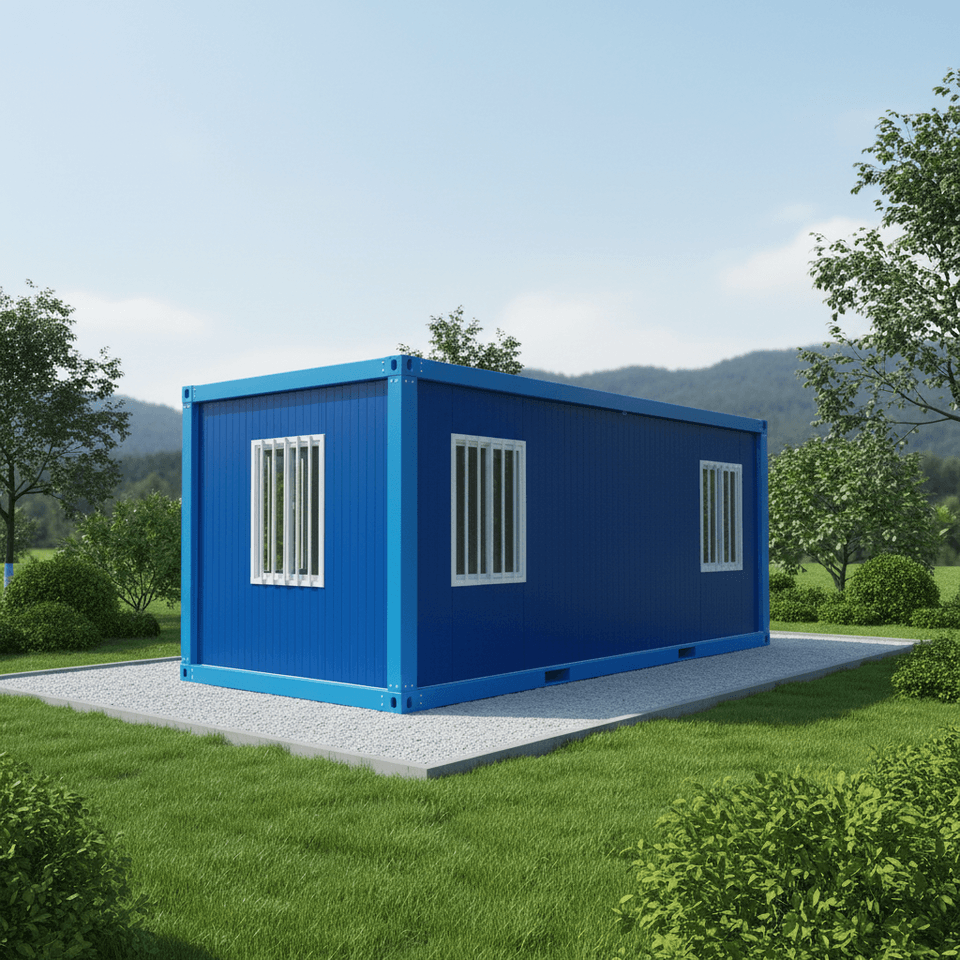
Applicable Scenarios
- Construction Sites: With dense personnel and frequently changing work areas, mobile toilets can be flexibly placed according to construction progress. Each toilet can accommodate 1-2 people, meeting the needs of a 50-100 person team.
- Logistics Parks and Freight Stations: Deployed at key nodes such as main roads and loading/unloading areas to prevent drivers from parking illegally. It is recommended to configure 2-3 toilet stalls for every 100 staff members.
- Outdoor Events and Temporary Gatherings: Such as exhibitions and music festivals, configure toilet stalls based on foot traffic (e.g., 10-15 stalls for a 1000-person event), allowing for quick setup and removal.
- Tourist Attractions and Parks: Set up at viewpoints and trail entrances to alleviate visitor queuing pressure, especially suitable for areas with high seasonal traffic.
- Temporary Offices and Emergency Sites: Such as disaster relief sites and temporary quarantine points, some models feature self-circulating functions (e.g., water flushing, waste collection tanks) without the need for external plumbing.
- Mines and Remote Work Sites: Adapted to harsh terrains, using corrosion-resistant and rust-proof materials, equipped with large-capacity waste storage tanks that can be emptied every few weeks.
- Schools and Training Institutions: Used as a supplement to fixed toilets during campus expansions, large-scale exams, or military training periods, such as providing toilets for parents outside college entrance examination sites.
Configuration Recommendations
Select models based on the number of users, duration, and waste disposal methods (water flushing, foam sealing, waterless packaging, etc.), prioritizing compliance with local environmental regulations. Generally, configure toilet stalls at a ratio of 1:15-1:20 and choose models with ventilation, lighting, and non-slip floors to enhance safety and experience.
Design Features
Composed of waste storage tanks, floors, sanitary fixtures, walls, water tanks, etc., the interior is compact yet fully functional, with some high-end versions equipped with heating or cooling devices. Materials are mostly lightweight and durable fiberglass or plastic, facilitating transportation and installation.
Type Classification
- Simple Type: Simple structure and low cost, suitable for short-term events.
- High-Quality Type: Spacious with added features like mirrors and hooks, suitable for high-end occasions.
- Barrier-Free Type: Wide entrance with interior handrails, designed specifically for individuals with mobility impairments.
Maintenance and Costs
Regular cleaning, replenishment of consumables (e.g., toilet paper, hand soap), and equipment inspections are required. Rental or purchase costs vary by specifications, with simple models costing tens of yuan per day and high-end versions reaching several hundred yuan; long-term purchase costs can range from several thousand yuan, depending on market conditions.



