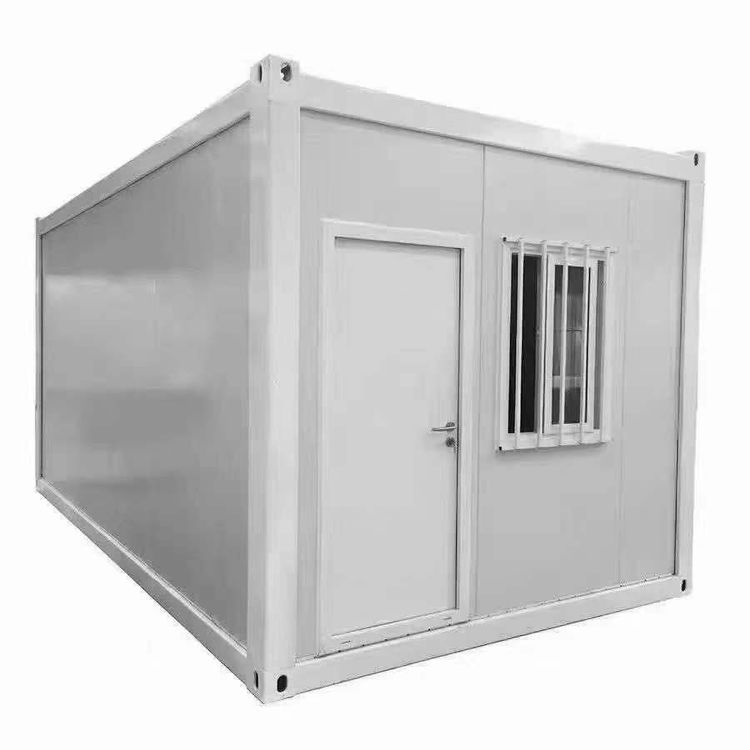
Unisex Double-Squat Toilet Mobile Restroom
A unisex double-squat toilet mobile restroom is a temporary or semi-permanent sanitation facility equipped with two independent squat toilets, designed to meet the simultaneous needs of multiple users. Here is an introduction from several aspects:

Structure and Design Features: It consists of two independent compartments, each equipped with a squat toilet, flushing system, and ventilation device. The compartments are separated by partitions to ensure user privacy. The overall frame is mostly made of metal or high-strength plastic, covered with waterproof material on the outside, and the interior floor is treated for slip resistance. The roof is designed to facilitate drainage and prevent water accumulation. The door locks are mostly simple mechanical types for easy operation and maintenance. In terms of dimensions, the two squat toilets are arranged side by side, with an overall width of approximately 1.8 to 2.2 meters, a depth of about 1.2 to 1.5 meters, and a height of around 2.3 to 2.5 meters. The ventilation system combines natural convection with mechanical exhaust, and the lighting system is configured according to the usage scenario.
Materials and Manufacturing Process: The main materials include galvanized steel sheets, aluminum alloys, and engineering plastics, which are corrosion-resistant, aging-resistant, and easy to clean. The sheet thickness ranges from 0.8 to 1.2 millimeters, and the wall panels are mostly sandwich structures filled with thermal insulation and soundproofing materials. The interior walls are made of smooth plastics or composite materials for easy cleaning and disinfection. The squat toilets are generally made of high-strength ceramics or plastics with anti-fouling treatment on the surface. The piping system uses PVC or stainless steel materials with well-sealed connections. The manufacturing process involves cutting, stamping, welding, assembly, and other steps, with reinforcement at key parts. After completion, waterproof and load-bearing tests are conducted.
Installation and Usage Guidelines: Installation should be carried out on a flat and solid ground, with foundation treatment if necessary, including positioning, leveling, and fixing steps. Connection to municipal sewage networks requires professional operation, and independent models need regular waste removal. When in use, follow hygiene guidelines, equip each squat toilet with sufficient toilet paper and disinfectant, promptly clean up waste, and regularly inspect pipes and valves. In low-temperature environments, take anti-freezing measures. Cleaning and maintenance include daily surface wiping and regular deep disinfection, using neutral cleaning agents, focusing on cleaning high-frequency contact areas, and disinfecting at least once a week.
Applicable Scenarios and Advantages: It is suitable for various occasions such as construction sites, outdoor event venues, and temporary resettlement points, providing convenient sanitation facilities for people in different scenarios and ensuring basic hygiene conditions.