Underwater Container Mobile House
Currently, there are no mature commercial cases of underwater container mobile houses, but the modular construction technology based on containers provides a feasible foundation for it, and key technological breakthroughs such as structural modification, waterproof sealing, and pressure balancing are required to achieve underwater applications.

1. Technological Feasibility Foundation: Modular Construction and Container Modification
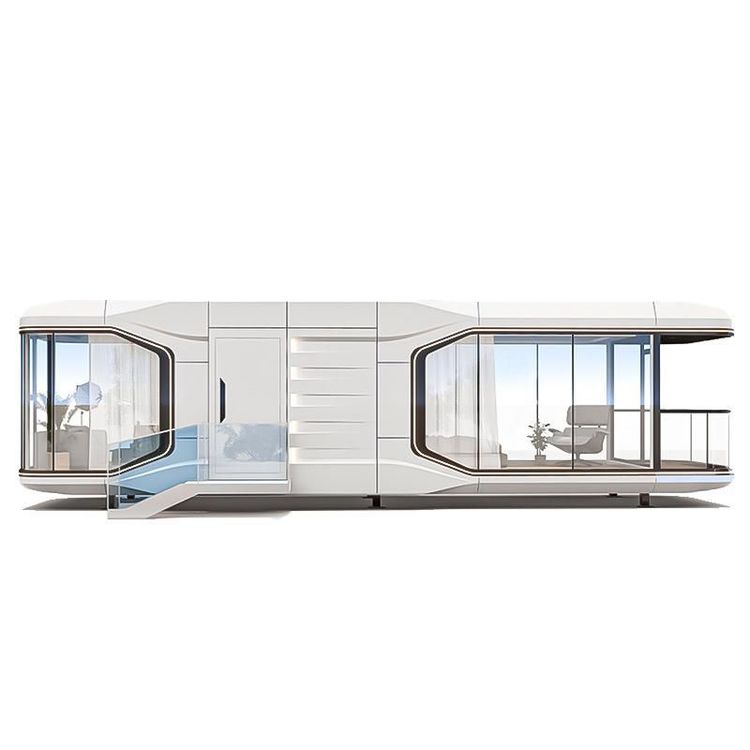
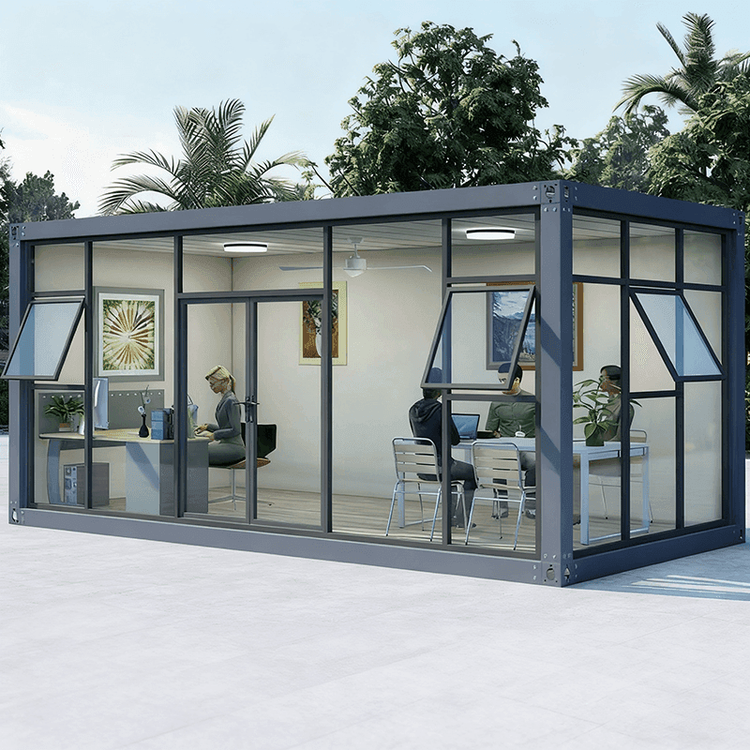
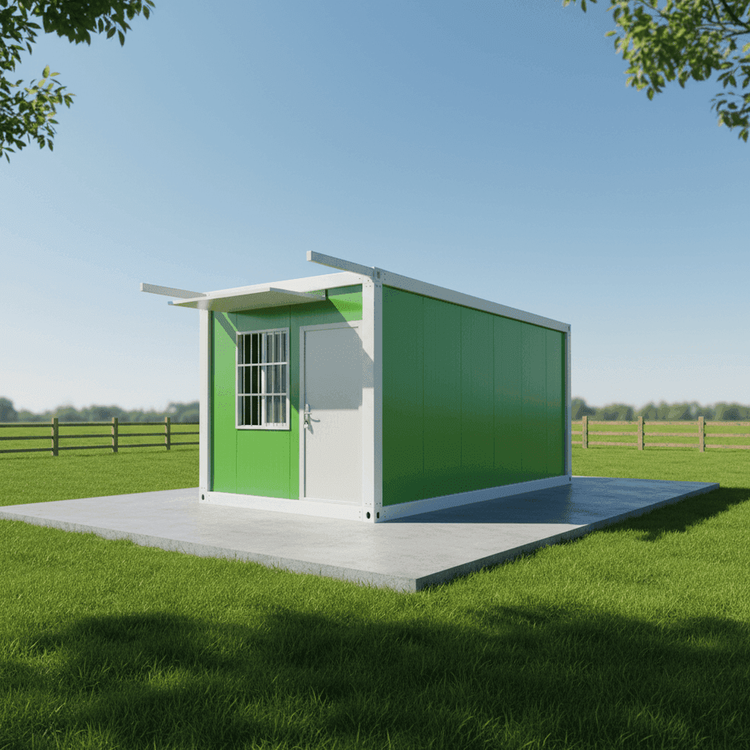
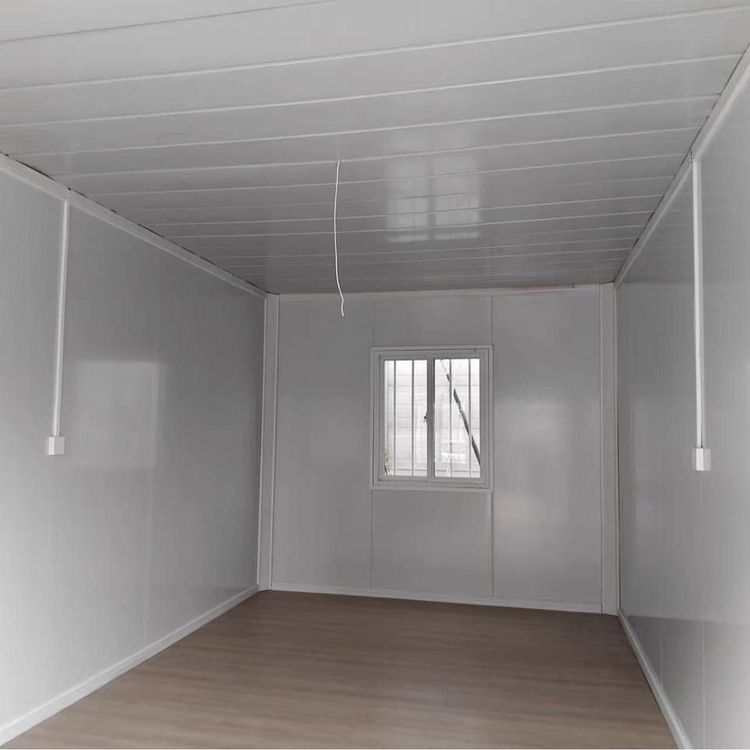
Container mobile houses originate from the redesign of standard freight containers, with core advantages of modular structure and standardized production. After factory prefabrication of the main structure, water and electricity pipelines, and interior decoration, they can be quickly assembled at the destination via sea or land transportation and can be powered and watered without foundation construction. For example, a smart factory in Guangdong has a daily module production capacity of 50 units, with manufacturing precision controlled within 1-2 millimeters, demonstrating the efficiency of industrial production. Additionally, containers are made of high-strength steel, providing good compressive and seismic resistance, and are equipped with insulation layers and waterproofing techniques, enabling long-term outdoor use, which provides a basic condition for adaptation to underwater environments.
2. Key Technologies to Be Overcome for Underwater Applications
Structural Modification and Pressure Balancing
Underwater environments require withstanding water pressure, necessitating reinforcement design for containers, such as adding longitudinal and transverse support structures or adopting double-shell designs with pressure-resistant materials filled in between. Simultaneously, a pressure balancing system needs to be designed to alleviate internal and external pressure differences through valves or flexible structures to prevent deformation or leakage.Waterproofing and Sealing Techniques
Multiple waterproofing techniques need to be adopted, including non-destructive testing of welds, sealant filling, and waterproof coating application, to ensure the sealing of all joints and openings (such as doors, windows, and pipeline penetrations). For example, some prefabricated container houses have achieved whole-house waterproofing and thermal insulation treatment, and their techniques can be upgraded to underwater standards.Corrosion-Resistant Materials and Maintenance
Seawater is highly corrosive, necessitating the selection of corrosion-resistant steel (such as stainless steel or galvanized steel) or the application of anti-corrosion coatings, and the design of detachable structures for regular maintenance. For example, some offshore platforms use sacrificial anode protection techniques to extend structural lifespan.Integration of Life Support Systems
Systems for oxygen supply, carbon dioxide filtration, and temperature and humidity regulation need to be integrated to ensure a comfortable living environment underwater. Environmental protection technologies such as solar panels and rainwater collection systems can also be applied in off-grid living scenarios.
3. Inspiration from Existing Cases
Among publicly available cases, videos of hardcore DIY enthusiasts transforming containers into underwater residences demonstrate the possibilities of individual exploration, but have not yet achieved large-scale application. However, the mature technologies of land-based container mobile houses (such as rapid assembly, modular expansion, and eco-friendly design) provide design inspiration for underwater versions, such as achieving multi-room layouts by stacking multiple containers or optimizing natural lighting through skylights.