
Types of Mobile Toilets
Mobile toilets come in a variety of types and can be classified based on structural form, material, mobility method, sewage treatment method, usage scenario, and common models in the rental market, as detailed below:
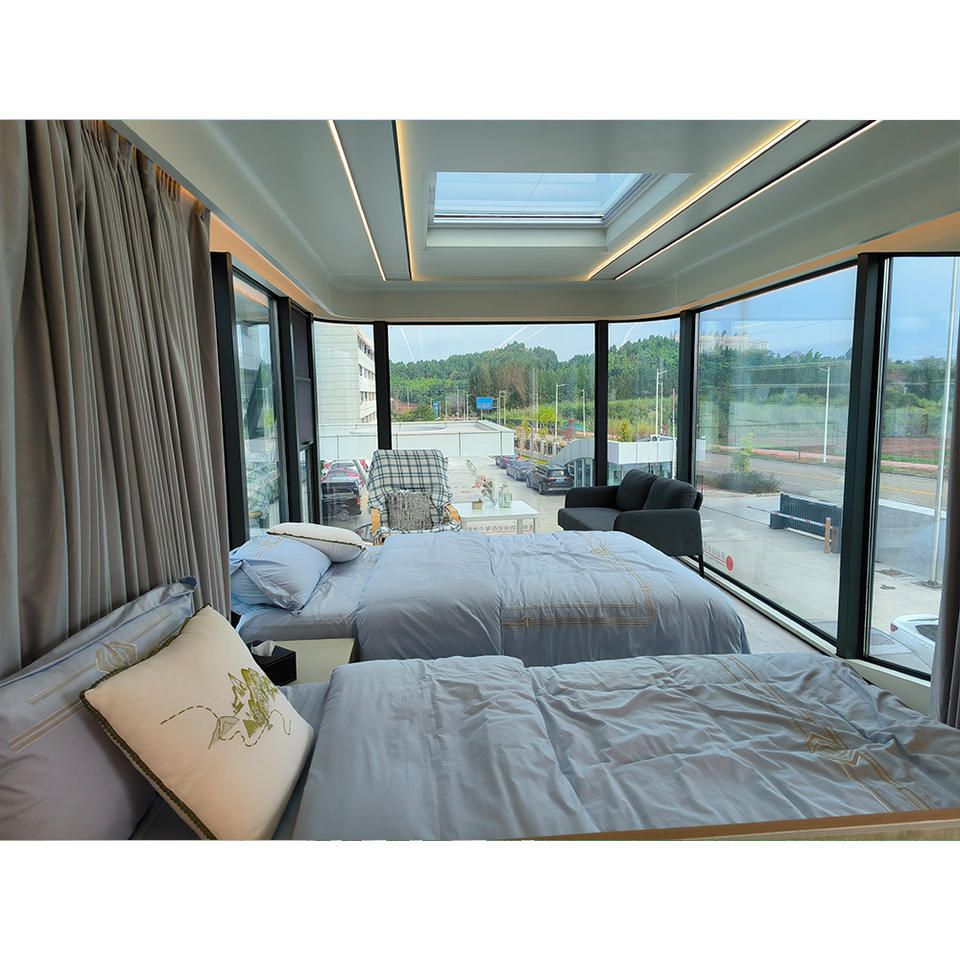
Based on structural form, they can be divided into single-structure mobile toilets and composite-structure mobile toilets. Single-structure toilets typically exist independently and are suitable for scenarios with limited space or single needs; composite-structure toilets are composed of multiple single units and can meet larger-scale usage requirements.
In terms of material, they include plastic toilets, color-steel toilets, fiberglass-reinforced plastic toilets, and tent-style toilets. Plastic toilets are lightweight and cost-effective, suitable for temporary use on construction sites; color-steel toilets offer good thermal and sound insulation, have an attractive appearance, and are commonly found in parks and streets; fiberglass-reinforced plastic toilets are molded as a whole, have strong impact resistance, and are suitable for extreme environments such as disaster relief and emergency rescue; tent-style toilets are easy to assemble and disassemble, suitable for short-term temporary events.
Based on mobility method, they are categorized into hoisting and handling types and powered towing types. Hoisting and handling types rely on equipment such as cranes and are suitable for fixed locations like construction sites; powered towing types come with wheels and can be moved flexibly, suitable for large events like music festivals.
In terms of sewage treatment method, they include water-flush and waterless suction types, circulating water-flush types, waterless packing types, traditional water-flush types, foam-sealing types, and microbial degradation types. Waterless packing types are similar to diapers, directly sealing excrement, suitable for desert camping; traditional water-flush types require connection to a sewage pipe and are suitable for scenic spots with sufficient water sources; foam-sealing types reduce odors by covering with foam, are water-saving and environmentally friendly, and are commonly found in scenic spots; microbial degradation types can convert excrement into fertilizer and are mostly used in ecological parks.
Based on usage scenario, there are scenic spot toilets, construction site toilets, temporary event toilets, barrier-free mobile toilets, and mother-and-baby dedicated mobile toilets. Barrier-free mobile toilets are equipped with handrails and lifting facilities to facilitate use by disabled individuals; mother-and-baby dedicated mobile toilets have baby care tables and privacy curtains to meet the special needs of mothers and infants.
Based on common models in the rental market (taking Xinxiang as an example), they include basic, standard, environmentally friendly, and luxury single-unit mobile toilets. Environmentally friendly types use water circulation or microbial treatment technologies, with some equipped with solar power supply functions, suitable for scenic spots with high environmental requirements; luxury types have exquisite interior decoration, with some equipped with heating devices, suitable for high-end events or business receptions.



