
Back to blog
Article
Types of Mobile Toilets
Admin September 20, 2026
Mobile toilets come in a variety of types, which can be classified according to different criteria as follows:
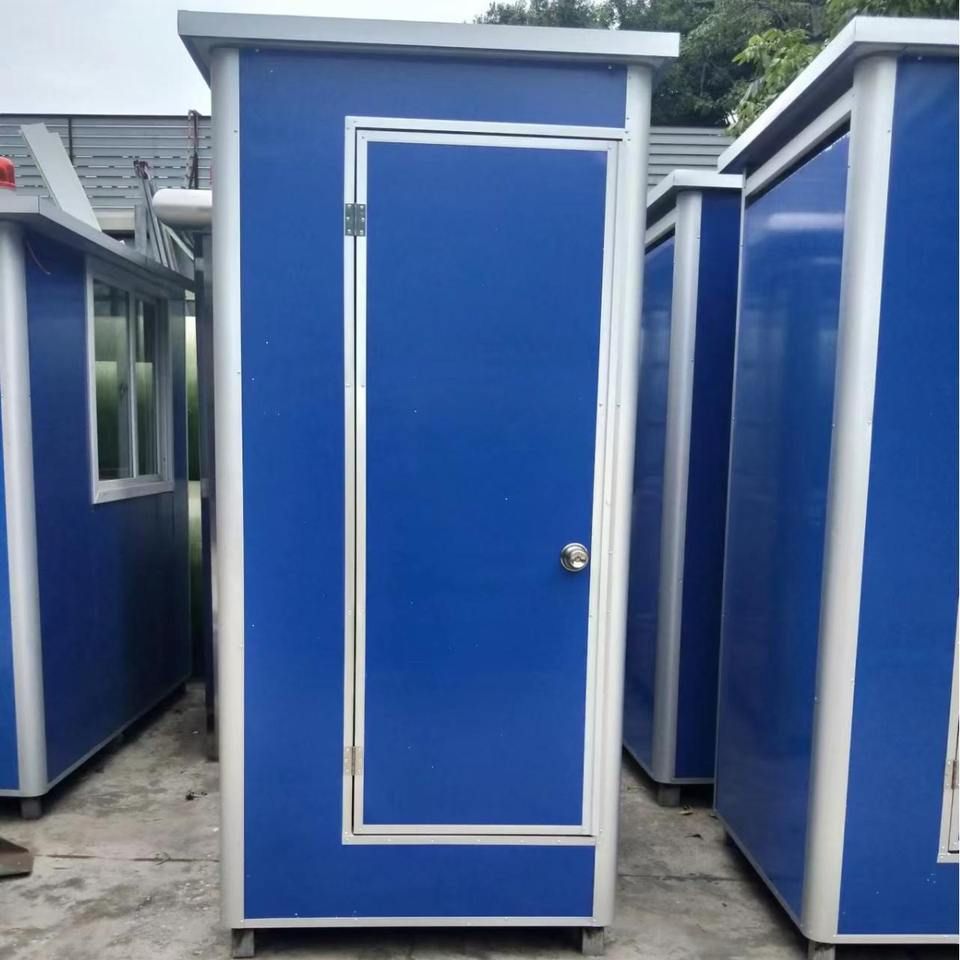
By structural form: They can be divided into single-structure mobile toilets and composite-structure mobile toilets. Single-structure toilets are usually independent units, facilitating rapid deployment. Composite-structure toilets are composed of multiple modules, offering strong scalability and being suitable for large-scale temporary venues.
By mobility method:
- Hoisting and handling type: These require the use of cranes or hoisting equipment for movement. For example, hoisting-type toilets are suitable for fixed locations such as construction sites. The hoistable type has a relatively large volume and is suitable for places that are fixed for a long time but may be relocated (such as construction sites and temporary parking lots).
- Powered and towed type: These are equipped with wheels or power units. For instance, towed-type toilets can be directly towed for movement, making them ideal for large-scale events like music festivals due to their high flexibility.
By sewage treatment method:
- Water-flush and non-water-flush suction type: These treat excreta through water flushing or suction.
- Recirculating water-flush type: These adopt a water circulation system, saving water and being environmentally friendly, suitable for water-scarce areas.
- Waterless packing type: Similar to the principle of diapers, excreta is sealed and treated, making it suitable for waterless scenarios like desert camping.
- Traditional water-flush type: These require connection to sewage pipes and rely on a water source, commonly found in scenic spots with well-established infrastructure.
- Foam-sealing type: These cover excreta with foam to suppress odors, saving water and being environmentally friendly, often used in scenic spots.
- Microbial degradation type: These use microorganisms to decompose feces into fertilizer, being eco-friendly and commonly found in ecological parks.
By material:
- Plastic toilets: These are lightweight and cost-effective, suitable for temporary use at construction sites.
- Color-steel toilets: These offer good thermal and sound insulation properties and are commonly seen in parks and on streets.
- Fiberglass-reinforced plastic toilets: These are molded as a whole, having strong impact resistance and being suitable for extreme environments such as disaster relief and rescue operations.
- Tent-type toilets: These are easy to assemble and disassemble, suitable for temporary events or emergency scenarios.
By usage scenario and functional characteristics:
- Simple type: These have a simple structure and basic facilities, suitable for short-term construction sites or small-scale events.
- Environmentally friendly type: These adopt water-saving or natural treatment technologies (such as water circulation and microbial degradation), suitable for scenic spots or large-scale events.
- Luxury type: These have an exquisite appearance and are equipped with toilets, air conditioners, etc. inside, suitable for high-end hotels or exhibitions.
- Special function type: These include barrier-free toilets (for the disabled), mother-and-baby toilets (with diaper-changing tables), toilets with showers, etc., meeting specific needs.
- Ordinary mobile restrooms: These have basic configurations and are suitable for construction sites or short-term exhibitions.
- Water-flush mobile restrooms: These are equipped with an additional water-flush system, having higher hygiene standards and being suitable for sports events and other occasions.
- Smart mobile restrooms: These integrate smart control systems and are commonly found in high-end commercial areas, enhancing the user experience.



