Two-Story Simple Container House
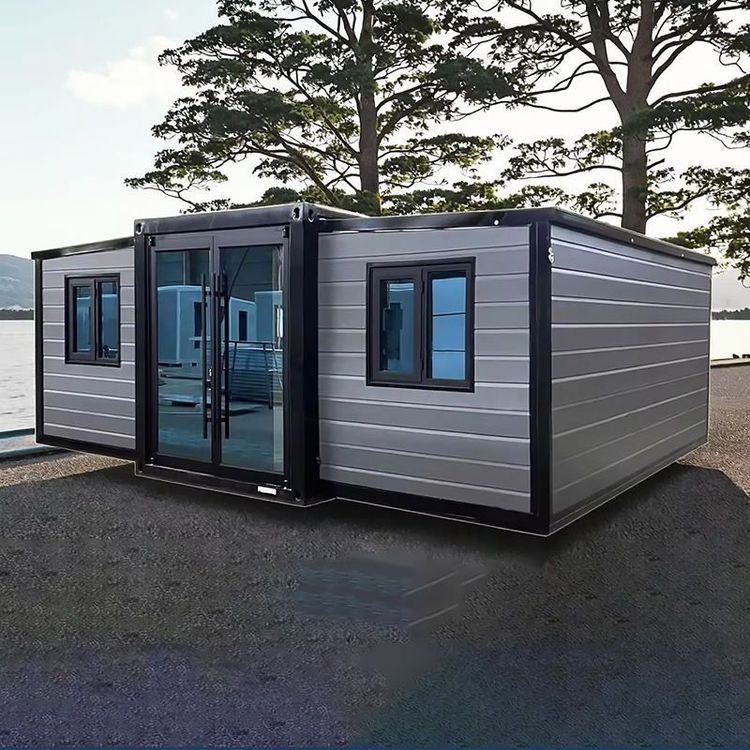
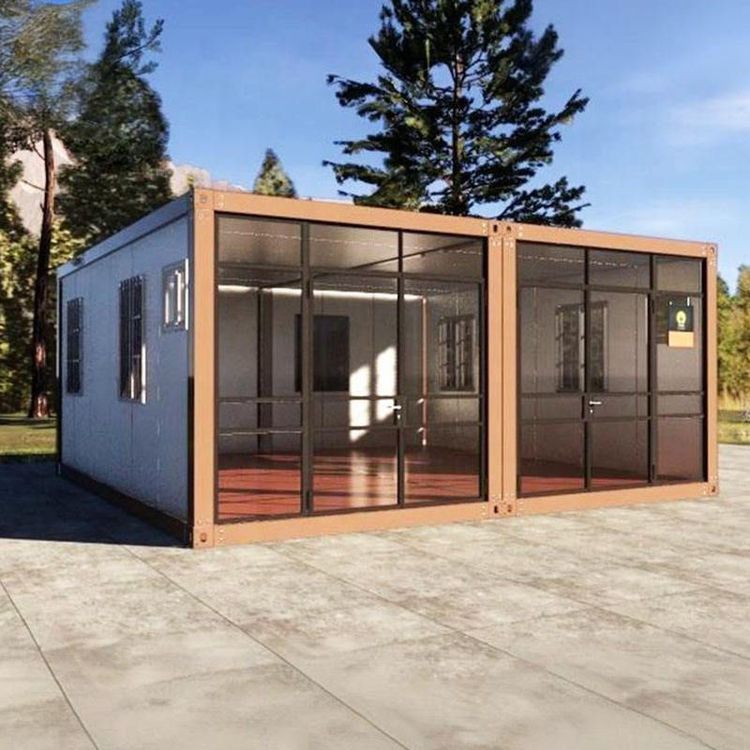
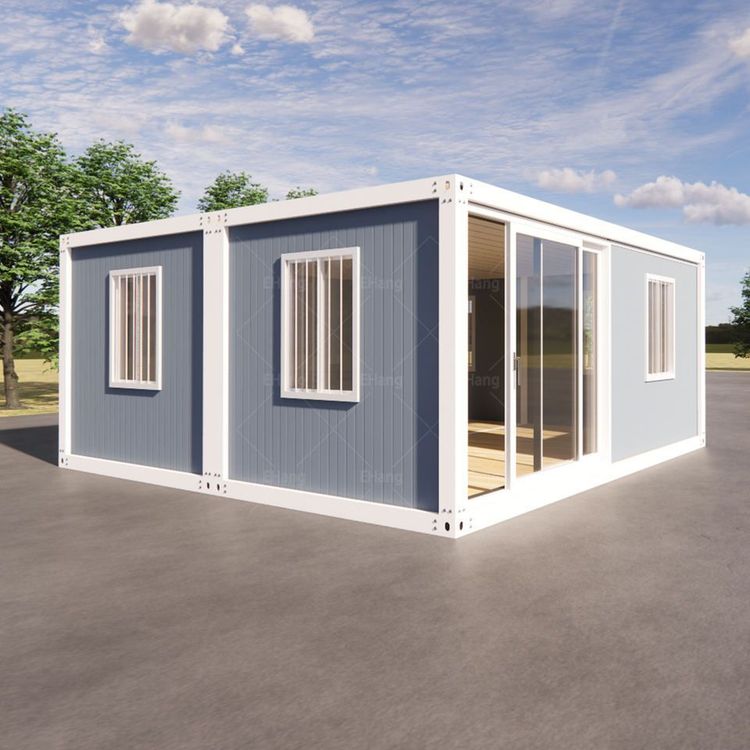
A two-story simple container house is a makeshift structure with a two-story framework that is either renovated or constructed using shipping containers. Some enterprise products can meet the requirements of such scenarios and offer certain advantages.
From practical cases, there have been successful attempts to build two-story houses using containers. For instance, a foreign man used a discarded container that had been unused for 10 years and spent a year transforming it into a seaside two-story villa. This villa not only features an outdoor balcony and a parking lot but also allows residents to enjoy a hundred-acre forest park exclusively. This demonstrates that with proper design and renovation, containers can be transformed into functional two-story living spaces.
In terms of enterprise products, companies such as Suzhou Zhongnan Steel Structure Co., Ltd., CIMC Modular Building Investment Co., Ltd., Yashi Integrated Housing Co., Ltd., and Shanghai Baosteel Construction Engineering Co., Ltd. all offer container-based movable house products, some of which can be used to build two-story simple container house scenarios. Taking the products of Suzhou Zhongnan Steel Structure Co., Ltd. as an example, their all-steel-framed container movable houses boast excellent performance, with a wind resistance rating of up to Level 12, an earthquake resistance intensity of 8 degrees, and a frame deformation rate of only 0.2%. This means that in harsh natural environments, the house can maintain good stability and provide a safe living place for residents.
Additionally, the company's quick-assembly container products are characterized by rapid installation, with a single unit taking only 2 hours to install. A camp consisting of 100 units can be set up and put into use within just 7 days from arrival, significantly shortening the construction period and improving construction efficiency. Their foldable container movable houses also offer significant advantages. When folded, their volume is only one-fifth of their expanded state, allowing each standard freight truck to carry 20 units. This reduces transportation costs by 40% compared to non-foldable products. During storage, they can be stacked up to 8 layers high, increasing storage space utilization by 60%. This, to a certain extent, reduces transportation and storage costs and improves resource utilization efficiency.