
Two-Story Prefabricated Panel House
A two-story prefabricated panel house is a two-story building constructed primarily with prefabricated panels. Its service life, structural characteristics, and renovation policies are as follows:
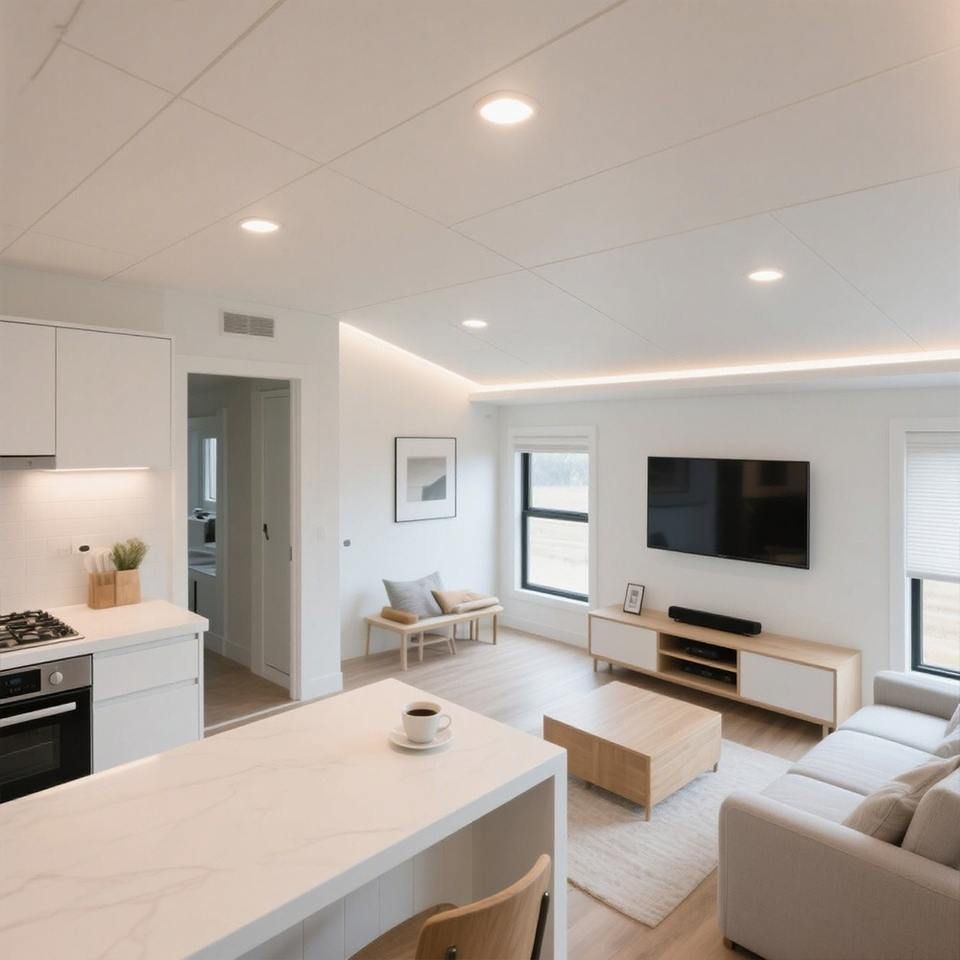
Service Life: Self-built two-story prefabricated panel houses in rural areas typically have a service life of 30-40 years under normal use conditions. However, this lifespan can be significantly shortened in the event of severe natural disasters such as earthquakes or typhoons. This is because the prefabricated panel structure is weaker in wind and earthquake resistance compared to cast-in-place concrete structures. Additionally, rural self-built houses often suffer from inadequate construction quality control, such as insufficient steel reinforcement and substandard concrete strength, further weakening structural stability.
Structural Characteristics and Defects:
- Materials and Connection Methods: Prefabricated panels are factory-made cement components available in solid and hollow varieties, primarily composed of cement, sand, gravel, and minimum-specification steel bars (coiled bars). They are connected to walls in a separate manner, unable to form an integral pulling effect, making them prone to displacement, cracking, or even collapse during geological disasters (such as earthquakes) or foundation settlement.
- Functional Defects: Prefabricated panel houses generally suffer from poor sound insulation and thermal insulation performance. The joints between panels are prone to leakage, and aging phenomena such as steel bar corrosion and concrete carbonation accelerate structural deterioration.
- Roof Usage Limitations: Although prefabricated panels can be used for roofs, environmental risks must be strictly evaluated. In areas with heavy rainfall, frequent earthquakes, or unstable foundations, prefabricated panel roofs are more susceptible to cracking due to settlement or vibration, increasing safety hazards.
Renovation and Policies:
- Old House Renovation Policies: Since 2022, China has implemented old house renovation policies focusing on repair and reinforcement of prefabricated panel houses, with demolition limited to buildings identified as dangerous (Grade D). Repair work includes crack repair, steel bar rust prevention treatment, and the addition of structural columns to enhance structural safety.
- Renovation Cases: Some two-story prefabricated panel houses have achieved structural upgrades through beam modification and reinforcement, such as replacing prefabricated panels with cast-in-place beam-column systems or adding ring beams and structural columns to enhance overall integrity. Such renovations significantly improve earthquake resistance and increase indoor space utilization.
Recommendations: To extend the service life of prefabricated panel houses, regular structural safety inspections should be conducted, focusing on steel bar corrosion, concrete spalling, and cracking. In earthquake-prone or soft foundation areas, it is advisable to prioritize cast-in-place structures over prefabricated panels or enhance structural safety through professional renovations.



