
Two-Story Container House
A two-story container house is a habitable or office building transformed from basic container structural modules. It features environmental friendliness, flexibility, and low cost, and is widely used in areas such as temporary housing, creative spaces, and post-disaster emergency buildings.
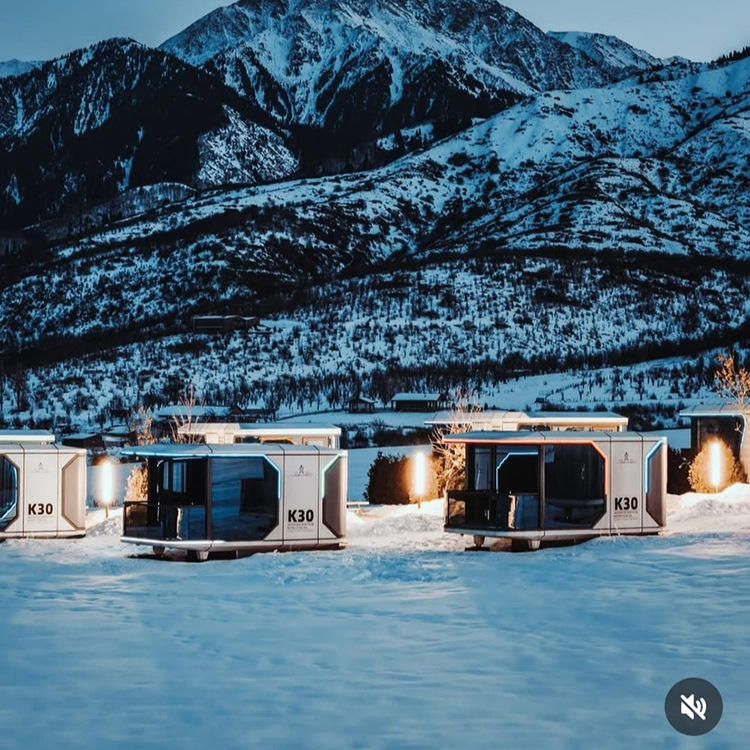
Structure and Materials
A two-story container house uses standard containers as its framework, stacked to two stories through welding and bolt connections to form a stable structure. Its materials are diverse, including sandwich panels, color-coated steel sheets, steel structures, carbon steel, steel plates, rock wool panels, glass, and stainless steel. Among them, sandwich panels and rock wool panels are often used for walls and roofs due to their excellent thermal insulation and fire resistance. The steel structure framework provides primary load-bearing support, ensuring the house's earthquake resistance and durability.
Styles and Customization
These houses come in a variety of styles and can be selected based on needs, such as assembled, prefabricated, mobile, packaged, modular, and detachable types. Some merchants support customization, including adjusting floor heights, window positions, adding balconies or stair designs, and even integrating modern interior design styles to meet residential, office, or commercial purposes. For example, a container homestay scenic area in Zaozhuang, Shandong, has transformed containers into unique accommodation spaces through customized designs, combining practicality and aesthetics.
Application Scenarios
- Temporary Housing: Commonly found on construction sites, serving as worker dormitories or management offices, with a short construction period for quick deployment.
- Post-Disaster Emergency Response: After earthquakes, floods, and other disasters, container houses can be rapidly deployed as temporary medical stations or shelters, providing safe refuge for affected populations.
- Creative Spaces: Through personalized renovations, container houses are used to create cafes, bookstores, art studios, etc., becoming distinctive landmarks in cities.
- Commercial Innovation: Some brands have transformed them into 24-hour self-service fitness pods, mobile convenience stores, etc., exploring new models of "container + commerce."
Advantages and Limitations
Advantages include low cost, recyclability, environmental protection and energy efficiency (some materials are recyclable), and modular design for easy transportation and assembly. Limitations include lower long-term living comfort (requiring additional sound insulation and thermal insulation treatments), higher foundation requirements for two-story structures, and the need for temporary building approvals in some regions.
Through modular design and material innovation, two-story container houses have become flexible and efficient solutions in the modern construction field, with significant potential for future applications in sustainable construction and emergency response.



