Two-Bedroom Prefabricated House
The prices of two-bedroom prefabricated houses vary significantly depending on the region, materials, and configurations. Chinese products offer high cost-effectiveness and fast delivery, while Scottish products emphasize customization and high-end materials. Here are the specific details:

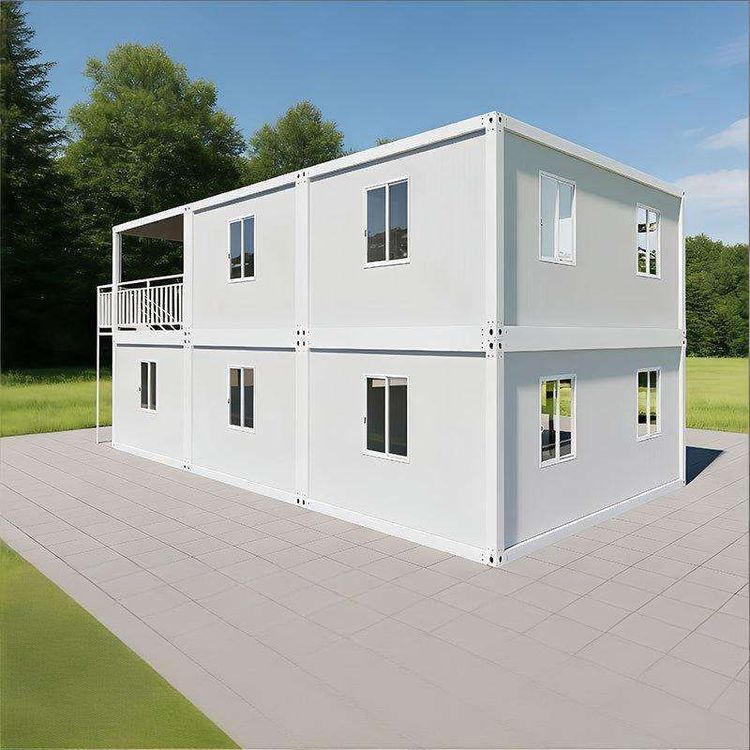
Two-bedroom prefabricated houses exported from China to Australia: Priced at less than AUD 300,000 (including land costs), they include all accessories, electrical equipment, air conditioning, and plumbing. The houses are modularly designed, built in factories, and then transported to South Australia for assembly. They come equipped with kitchen appliances, patios, and luxury finishes, with a construction speed of up to 100 units per month. This model significantly reduces costs through mass production and standardized processes while ensuring delivery efficiency, making it suitable for price-sensitive markets with high demand.
Two-bedroom prefabricated houses exported from China to the United States:
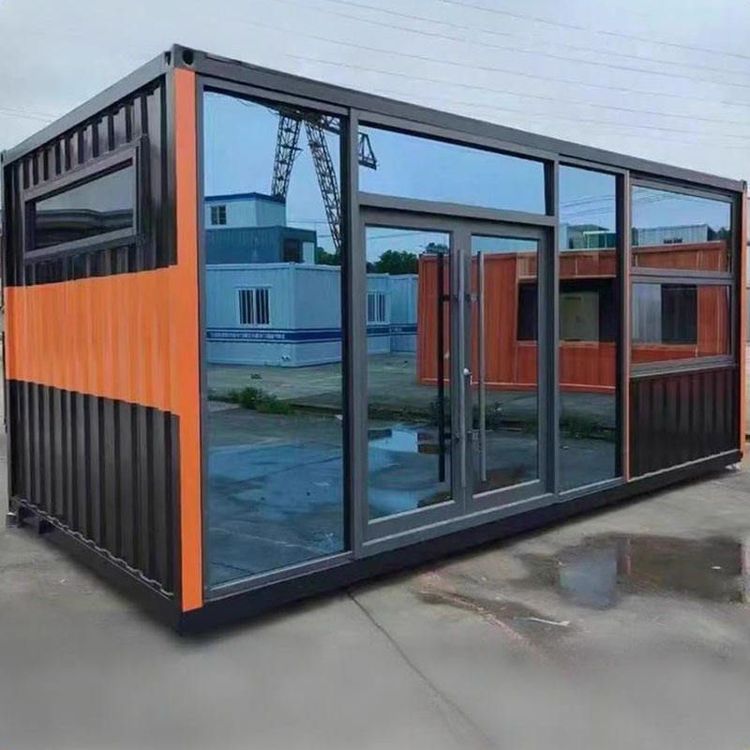
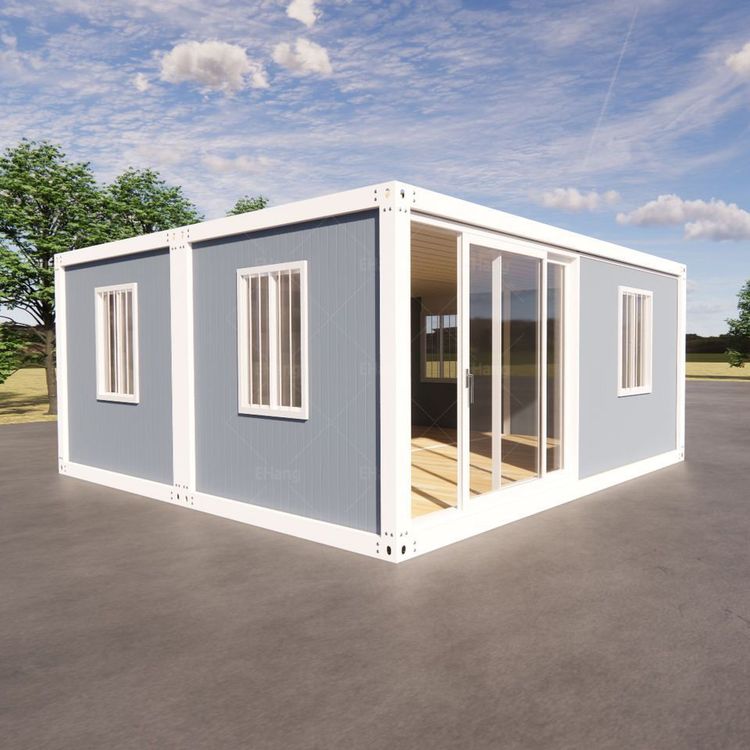
- Case 1: A 70-square-meter expandable container house with a body price of USD 15,800 and a total landed cost of USD 28,689 (approximately RMB 200,000), including a bedroom, kitchen, independent bathroom, and split air conditioning unit.
- Case 2: A 38-square-meter space capsule residence priced at USD 38,000, equipped with floor-to-ceiling windows, smart door locks, and a separate wet and dry bathroom, suitable for short-term rental and homestay scenarios.
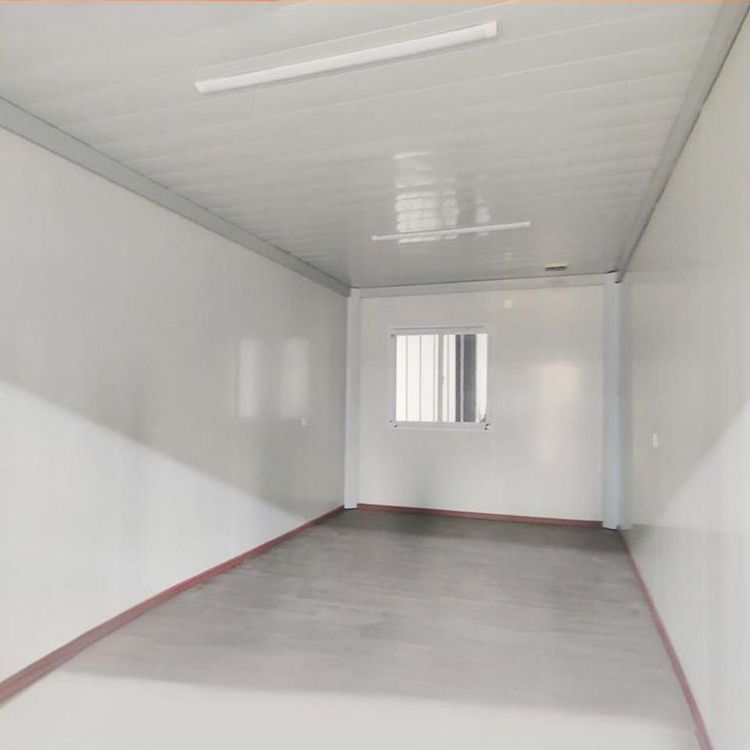
- Case 3: A 28-square-meter two-bedroom house priced at approximately USD 14,000, which can be assembled in 8 hours, featuring wind and snow resistance and a design life of up to 50 years. These cases demonstrate the flexibility of Chinese prefabricated houses, meeting diverse needs through different sizes and functional configurations while maintaining cost advantages.
Two-bedroom prefabricated houses developed by Scottish companies: Starting at GBP 99,000 (approximately RMB 870,000), with a construction period of 8 weeks (including 3 weeks for on-site installation). They use modular timber units and support full customization, serving as standalone residences or studios. Positioned in the high-end market, these products enhance added value through customized designs and eco-friendly materials (such as timber), catering to customers with high demands for quality and personalization.
Core differences: Chinese products achieve cost-effectiveness through 'standardization + scale', covering the mass market with fast delivery and functional diversity. Scottish products, on the other hand, meet personalized needs through 'customization + high-end materials', targeting the high-end niche market. Both represent typical development paths of the prefabricated housing industry under different market conditions.