
Two-Bedroom One-Living-Room Container House
The two-bedroom one-living-room container house served as athletes' dormitories at this year's Nagoya Asian Games, with its configuration and experience featuring the following aspects:
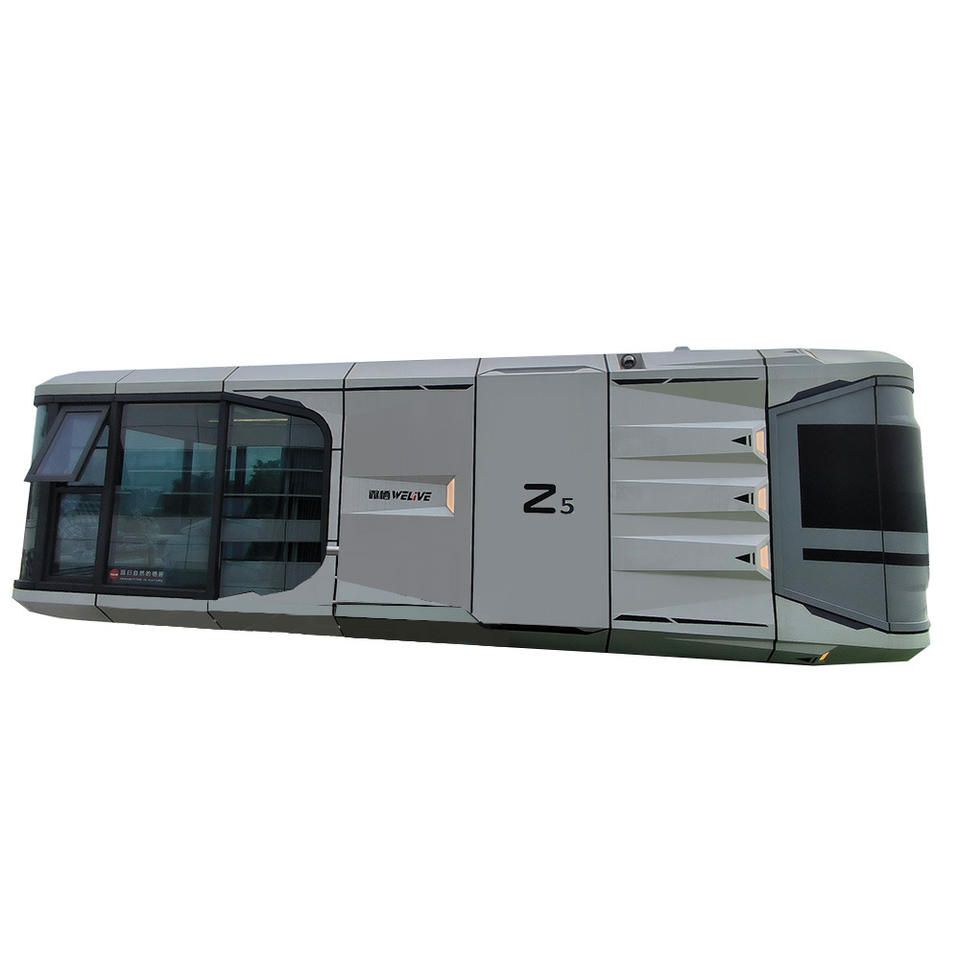
1. Spatial Layout and Functional Zoning
Each container house consists of two independent units, with each unit adopting a "two-bedroom one-living-room" design, accommodating three people. The internal functional zoning is clear:
- Living Area: It includes two bedrooms with single beds (195 cm long and 90 cm wide), with luggage storage space reserved under the beds. The organizing committee provides extended mattresses for taller athletes, but there is only a one-person-wide aisle between the twin beds, making the space somewhat cramped.
- Bathroom Area: Each unit is equipped with an independent toilet, bathroom, and changing room to meet basic living needs.
- Common Area: The living room is relatively small, equipped with a refrigerator, sink, and a washing machine, providing basic living conveniences.
2. Air Conditioning and Ventilation Design
Only one air conditioner is installed throughout the house. If the bedroom doors are closed, the indoor temperature may rise. The organizing committee recommends that athletes open the doors for ventilation before going to bed to assist in cooling, reflecting the limited coverage of the air conditioner and the need to rely on natural ventilation for regulation.
3. Living Experience and Defects
- Sense of Spatial Oppression: The container house has a relatively low height, making the overall space feel crowded and potentially causing discomfort during long-term residence.
- Sound Insulation and Waterproofing Issues: The iron sheet walls have poor sound insulation, and heavy rain can easily lead to water leakage and ponding, even resulting in the emergency evacuation of hundreds of athletes, exposing the insufficient structural waterproofing performance.
4. Potential Risks under Extreme Conditions
According to domestic mainstream container house evaluation data, similar structures may pose safety hazards under extreme conditions (such as coastal typhoons of force 12 and earthquakes of magnitude 8): the frame deformation rate of some products exceeds industry qualification standards, raising doubts about structural stability. However, the specific performance data of the container houses used in this year's Asian Games has not been disclosed, and their actual disaster resistance capabilities require further verification.
Summary: The two-bedroom one-living-room container house, serving as temporary dormitories at the Asian Games, although equipped with basic living functions, has obvious shortcomings in terms of space, sound insulation, waterproofing, and stability under extreme conditions, making it more suitable for short-term or emergency use scenarios.



