
Turpan Mobile Toilet Installation
The installation of mobile toilets in Turpan requires comprehensive consideration of regional environmental conditions, material properties, and installation procedures. The key points are as follows:
I. Material Selection and Adaptability
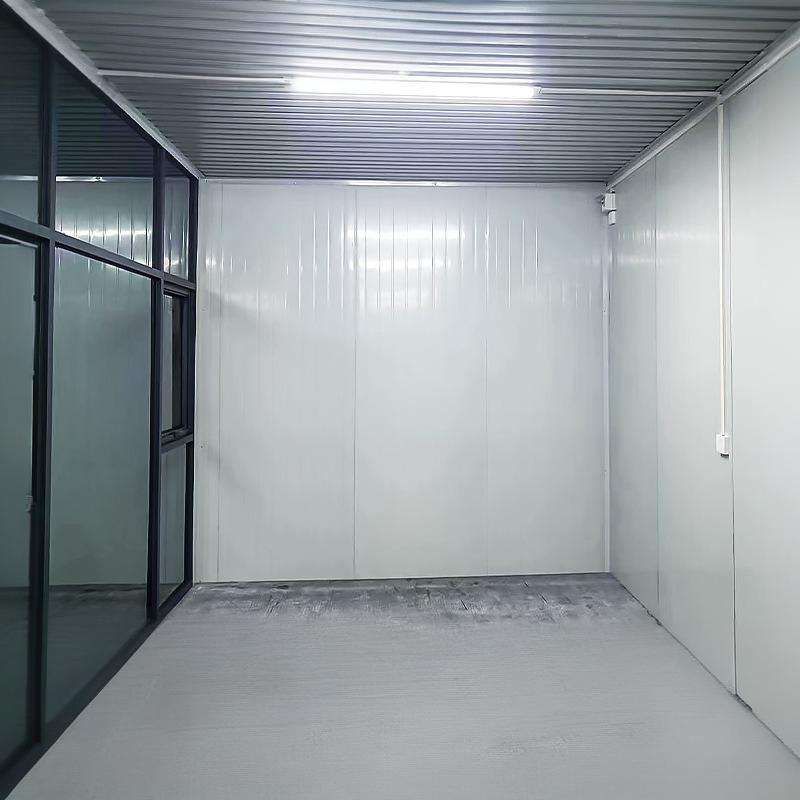
Turpan features a dry climate with significant temperature variations between day and night, demanding high weather resistance from materials. Color-coated steel sheets, commonly used, consist of a galvanized steel substrate, a zinc coating, and an organic coating. The substrate provides tensile strength, the zinc coating offers electrochemical protection, and the organic coating must have high UV resistance to handle deformation stresses caused by temperature changes. If aluminum-magnesium-zinc-coated substrates are selected, corrosion resistance to saline-alkali soils can be further enhanced, suitable for areas with high soil salinity.
II. Foundation Treatment and Geological Adaptation
- Geological Conditions: In some areas of Turpan with high soil salinity, the foundation platform should be elevated or non-metallic isolation layers (e.g., rubber, plastic) should be used to prevent corrosion of metal connectors in direct contact with the soil.
- Permafrost Layer Treatment: Anchor points for the foundation must extend beyond the local permafrost depth (typically 1.5-2 meters) to prevent structural displacement caused by freeze-thaw cycles.
- Modular Connection: Wall panels use tongue-and-groove connections, creating a thermal break effect through staggered multi-layer materials to reduce heat transfer between the interior and exterior. Roof drainage slopes should be designed according to precipitation levels, with gentle slopes for arid regions and steeper slopes with snow guards for snowy areas.
III. Sealing and Deformation Compensation
- Bolt Connection Sealing: All bolt connections should be fitted with elastic seals to compensate for microscopic deformations caused by temperature variations and prevent leakage.
- Ventilation System Coordination: Utilizing convection principles, adjustable louvers should be installed at high points on wall panels to create negative pressure ventilation using wind power. Exhaust ducts and panel openings should be equipped with sand-proof filters, with reserved access for cleaning and maintenance.
- Wiring Protection: Internal lighting wiring should be laid in dedicated conduits to prevent condensation caused by direct contact with metal panels.
IV. Installation Process and Efficiency
- Modular Mobile Toilets: Installation follows the sequence of "chassis and frame positioning → wall and roof panel installation → internal facility connection → functional inspection and testing," requiring on-site assembly of modules.
- Integrated Mobile Toilets (Container-Type): Factory-completed with interior finishes and equipment integration, these only require on-site hoisting, connection to utilities and sewage pipes, with installation time reduced to 2-4 hours, significantly improving efficiency.
Summary: The installation of mobile toilets in Turpan should prioritize material weather resistance and geological adaptability, incorporating modular design and sealing compensation techniques, while selecting efficient installation processes based on toilet type to ensure structural stability and functionality.



