
Tuoteng Plus Container House
There is currently no publicly available authoritative information about 'Tuoteng Plus Container House'. The following is a general introduction to container houses from a universal perspective:
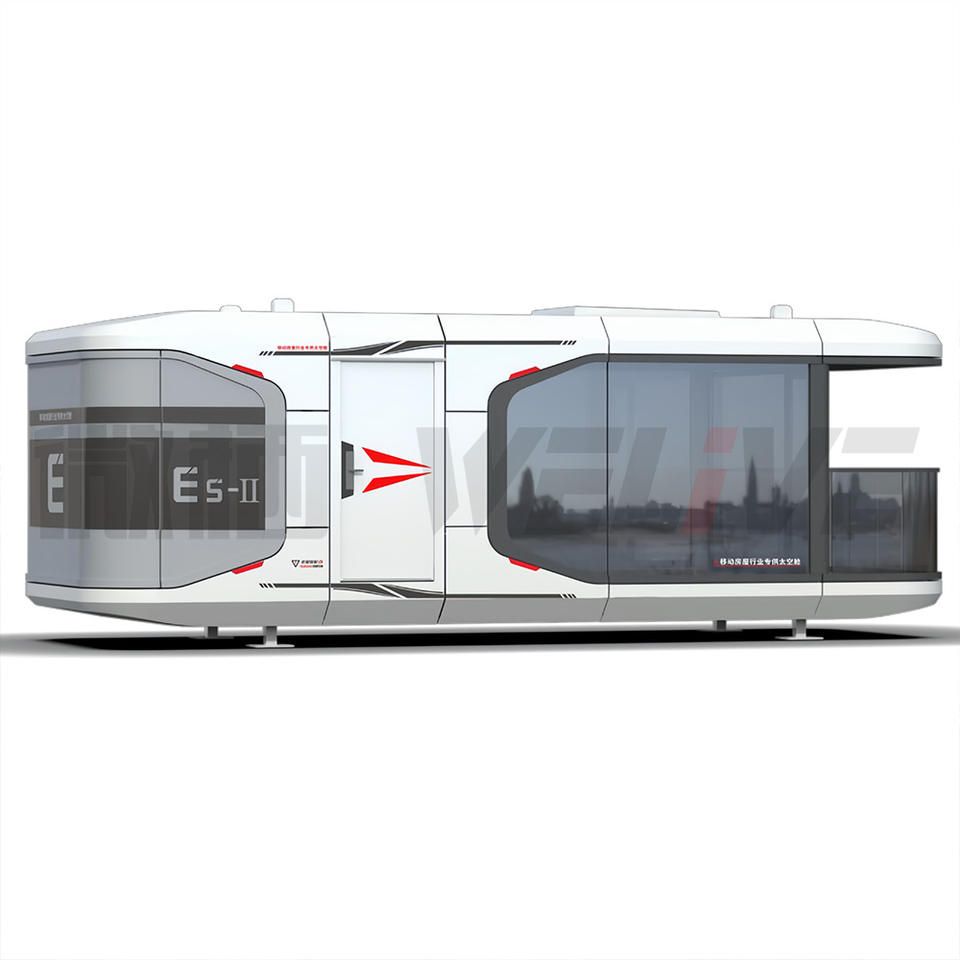
Definition and Characteristics of Container Houses
Container houses are residential or functional buildings that are constructed by modifying and designing containers as basic modules. They have the characteristic of high mobility. Due to the structural properties of containers themselves, they can be easily transported and hoisted as a whole, allowing for rapid deployment to different locations. They are suitable for scenarios with high temporary or mobile demands, such as workers' dormitories on construction sites and wild scientific research stations. At the same time, container houses also have the advantage of strong structural integrity. Containers are usually made of high-strength steel, enabling them to withstand significant external impacts and harsh natural environments, such as strong winds and heavy rain, providing relatively safe shelter for occupants.
Design and Modification
In terms of design and modification, container houses offer high flexibility. Designers can perform operations such as cutting, welding, window opening, and installing doors and windows on containers according to different needs and uses, transforming them into spaces with various functions, such as bedrooms, living rooms, kitchens, and bathrooms. Additionally, by combining multiple containers, larger and more complex architectural forms can be created to meet requirements of different scales and layouts. Furthermore, to enhance living comfort, container houses usually undergo interior decoration, including laying floors, installing ceilings, and decorating walls, and are equipped with corresponding water and electricity systems as well as furniture.
Environmental Protection and Sustainability
Container houses also have certain advantages in terms of environmental protection and sustainability. On the one hand, using discarded containers for modification and reuse can reduce the generation of construction waste and lower the impact on the environment. On the other hand, the construction period of container houses is relatively short, enabling them to be put into use quickly and reducing energy consumption and environmental pollution during the traditional construction process. Moreover, some container houses also adopt environmental protection technologies such as solar panels and rainwater collection systems, further improving their sustainability.



