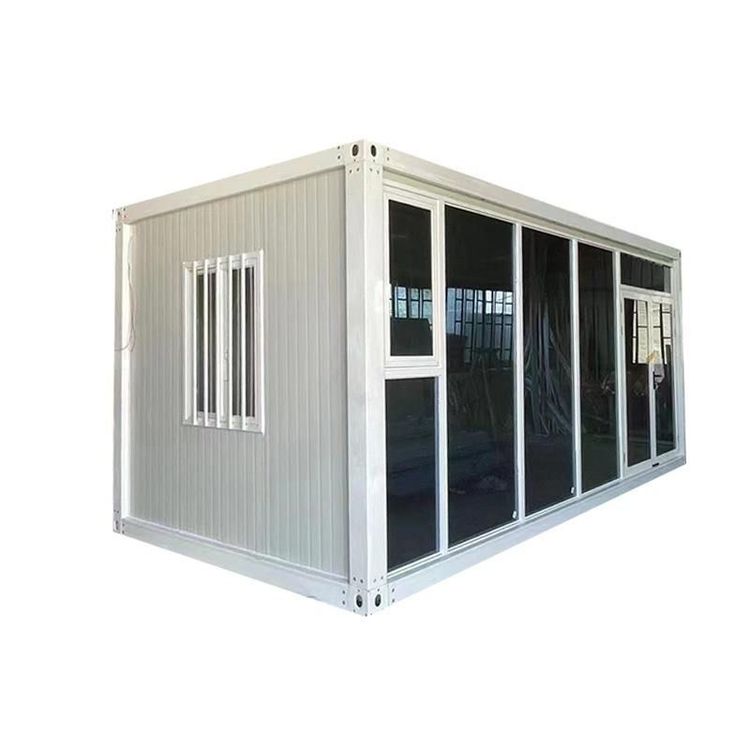
Tuanfeng County Mobile Toilet Inspection
The inspection of mobile toilets in Tuanfeng County typically covers multiple aspects such as structure, safety, materials, hygiene, convenience, environmental protection, and steel functionality.
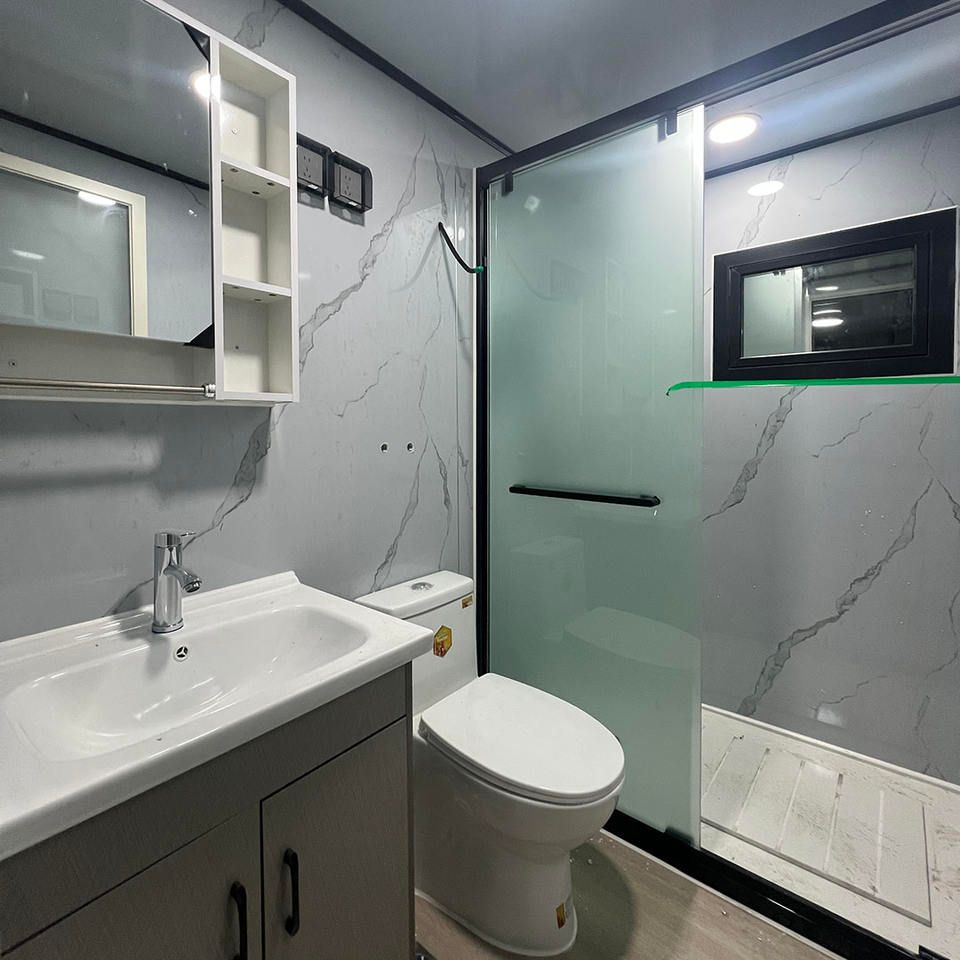
Structural Strength and Stability Inspection: It is necessary to test the frame strength, including tensile and compressive strength; evaluate overall stability, taking into account different ground conditions; and inspect the foundation bearing capacity. During inspection, based on the original planning documents, handheld laser rangefinders and steel tapes can be used to measure the wall surfaces, doors, windows, structural axial ratios, and heights of the restrooms; check for aging or deformation of main load-bearing components, abnormalities at the connections of load-bearing steel members, the reliability of the connections between steel beams and columns, and defects or cracks in welds.
Structural Safety Calculation and Analysis: It is required to consider static loads, live loads, wind loads, seismic actions, etc., and use PKPM software to analyze the structural bearing capacity in combination with on-site tests, original planning, and construction documents.
Material Durability Inspection: This includes corrosion resistance testing to evaluate the anti-corrosion capabilities of the outer shell and internal facilities; weather resistance testing to simulate different climatic conditions and test the aging of materials under high temperatures, low temperatures, and ultraviolet radiation; and fire resistance testing to assess the flame retardancy of materials.
Hygiene Performance Inspection: It is necessary to test the discharge efficiency and sealing of the sewage system; evaluate the design and effectiveness of the ventilation system; inspect the effectiveness of disinfection and deodorization equipment; and test the cleaning difficulty of materials in various parts.
Convenience and Comfort Inspection: Evaluate the internal space layout and design; test the ease of operation of internal equipment; assess the brightness and distribution of internal lighting; and inspect the anti-slip performance of the floor.
Environmental Performance Inspection: Test the effectiveness of the wastewater treatment system; evaluate the consumption of resources such as water, electricity, and fuel; and inspect the environmental friendliness of the materials used.
Steel Functionality Testing: According to the owner's requirements, non-destructive testing of steel structure welds is carried out, and mechanical property tests of steel are conducted, including tensile strength, yield strength, and impact tests.
The main technical references include multiple national and industry standards such as the 'Building Quality Inspection Regulations', as well as relevant codes and standards for engineering design, construction, and inspection, and the drawings and documents provided by the owner.