
Mobile Toilet Design in Travel Toilets
Mobile toilets in travel toilet design primarily consist of fecal sewage storage tanks (or disposal units), floor slabs, sanitary ware, walls, washing facilities, water tanks, roofs, and mobile units. The design must balance convenience, durability, environmental friendliness, and humanized needs.
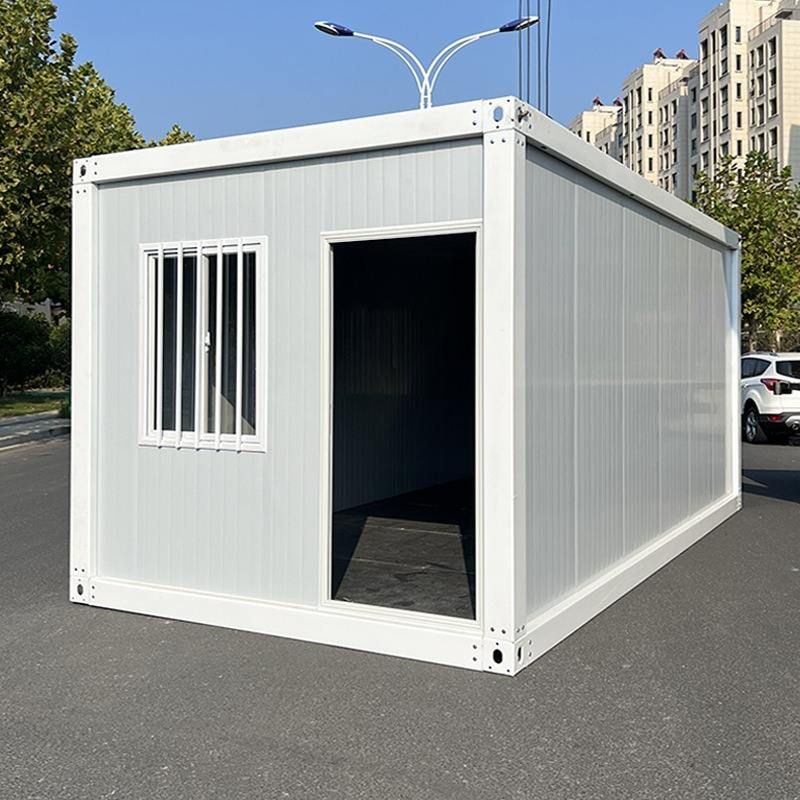
I. Structural Composition and Classification The core structure of mobile toilets includes fecal treatment systems (such as storage tanks or waterless flushing suction units), supporting floors, sanitary ware (toilets or squat pans), walls (commonly using lightweight materials like color-coated steel plates and fiberglass), washing counters, water tanks (for water supply or recycled water use), and roofs (rainproof and sun-resistant). They are classified based on various criteria:
- Structural Form: Single-unit structures (independent units suitable for small-scale scenarios) and composite structures (multi-unit combinations to meet high-traffic demands).
- Mobility Method: Hoisting/handling types (relying on mechanical handling, suitable for short-term use at fixed locations) and powered/trailer types (self-powered or towable, highly flexible, suitable for touring scenarios).
- Sewage Treatment Method: Water-flushing types (requiring supporting septic tanks or sewage pipe networks), waterless flushing suction types (vacuum suction for regular cleaning and transportation), recycled water flushing types (water circulation and filtration for water conservation and environmental protection), and dry packing types (fecal packing for centralized treatment with no sewage discharge).
II. Design Principles
- Mobility Convenience and Economic Durability: Utilize lightweight and high-strength materials (such as aluminum alloy and fiberglass) to reduce self-weight while ensuring structural stability. The mobile units must be complete (such as wheeled chassis and detachable connectors) for rapid deployment and relocation.
- Environmental Protection and Ecology: Prioritize waterless flushing or recycled water technologies to reduce water consumption. Dry packing types can prevent sewage leakage and protect the soil environment. Materials should be recyclable or easily degradable to reduce long-term pollution risks.
- Humanized Design: Control the height (usually not exceeding 2.5 meters) and width (compatible with transportation standards) to balance user comfort and transportation convenience. The internal space must meet the turning requirements of wheelchairs, reflecting barrier-free design concepts.
III. Market Selection and Cost There are various types available for travel scenarios, such as customized color-coated steel plate mobile toilets (basic models priced at approximately 10,000-30,000 yuan per unit), scenic area finely decorated environmental protection public toilets (including decorations and smart devices, priced at 50,000-100,000 yuan per unit), and high-end smart types (integrating showers, air conditioners, and IoT management, priced at over 100,000 yuan per unit). Prices are significantly influenced by specifications, materials, sewage treatment technologies, and additional features (such as deodorization and lighting). Decisions should be made based on budget and usage frequency.



