
Travel Portable Toilet
Portable toilets are highly practical and flexible facilities for travel, especially suitable for tourist attractions and other venues.
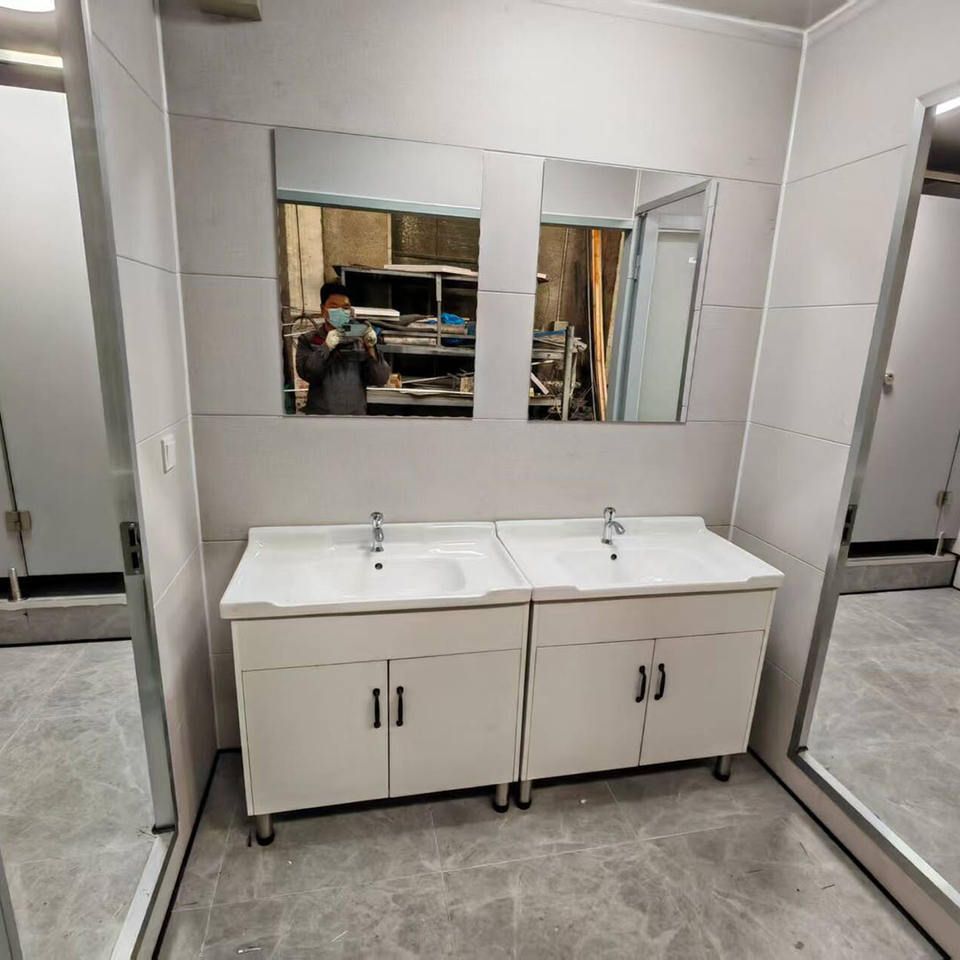
Flexibility and Adaptability
Portable toilets are entirely movable and can be set up at specific locations based on fixed or temporary needs, providing restroom services for the public and tourists. Their flexibility is demonstrated by their ability to adjust deployment positions according to the actual needs of tourist attractions. For example, during peak tourist seasons or large-scale events, additional portable toilets can be quickly installed to handle increased visitor traffic; during off-peak seasons or when not needed, they can be easily moved or relocated to other areas, significantly improving resource utilization efficiency.
Environmental Protection and Energy-Saving Technologies
Portable toilets typically employ eco-friendly materials and energy-saving technologies to minimize their impact on the natural environment. For instance, some portable toilets use solar power to reduce reliance on traditional energy sources; through rainwater harvesting systems, they achieve water resource recycling. Additionally, many modern portable toilets are equipped with water circulation systems and ecological sanitation facilities. For example, the circulating water flush design maximizes water conservation, while the dry-pack type requires no water flushing, directly reducing sewage production. These features not only meet the environmental protection requirements of tourist attractions but also provide visitors with cleaner and more comfortable sanitation environments.
Structural and Classification Diversity
Portable toilets come in various structural forms, including single-unit structures (independent units) and composite structures (multi-unit combinations). Based on mobility, they can be classified as lifting and handling types (requiring manual or mechanical handling) and powered and towed types (capable of self-movement or being towed by vehicles). In terms of sewage treatment, they can be divided into water-flush and non-water-flush suction types (relying on external sewage systems), circulating water-flush types (with internal water circulation purification), and dry-pack types (using biodegradable bags to collect waste). Furthermore, there are foldable portable toilets, whose design allows them to be compressed to a height of 36 inches for easy transportation and rapid deployment.
Pricing and Market Options
The prices of portable toilets on the market vary depending on their type, configuration, and functionality. For example, a basic outdoor ecological and environmentally friendly public toilet for tourist attractions costs around 270 yuan, suitable for short-term or low-frequency use scenarios. In contrast, a high-end urban smart toilet equipped with intelligent management systems and air purification devices can cost up to 12,500 yuan, suitable for high-traffic areas or places with high sanitation requirements. Users can choose the appropriate product based on their actual needs and budget.



