
Back to blog
Article
Transporting Container Houses: Traffic Considerations
Admin September 13, 2026
Transporting container houses requires a comprehensive look at transport modes, legality, pre-shipment preparation, in-transit monitoring, and on-site acceptance.
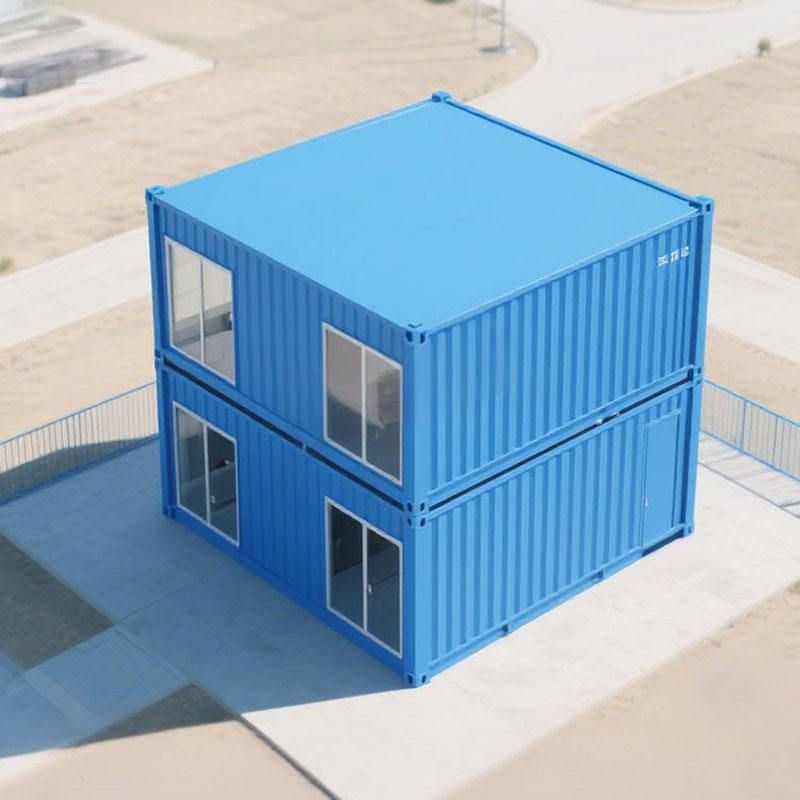
Transport modes
- Road transport: The most common and flexible option, delivering units directly by flatbed truck or trailer. Professional flatbeds can carry 20–40 ft standard container houses, but dimensions must meet road height and width limits; oversize loads require permits in advance.
- Rail transport: Suited to long-haul, high-volume moves, with lower cost and large capacity. Container houses are typically loaded onto flatcars, shipped to a designated rail terminal, then short-hauled by truck to the final site. Transit can be relatively efficient, but routes are limited by the rail network and flexibility is lower.
- Water transport: Riverside and coastal cities often prefer a mix of inland waterway and ocean shipping. Inland waterways are cost-effective but need moisture protection; ocean shipping is common for international moves and requires reinforcing corner castings to prevent damage from sea motion.
Legality
- Transport is lawful when the container house is a movable structure, the truck holds a road freight operating license and vehicle registration, and the driver has the proper license and follows traffic rules.
- It is unlawful to move fixed buildings as if they were cargo, to overload, speed, run red lights, or to illegally modify a truck to haul a house.
Pre-shipment preparation and precautions
- Close all doors and windows to keep foreign objects from entering and damaging the interior.
- Place heavy equipment as close to the center of the unit as possible to keep the center of gravity balanced and reduce the risk of tip-over.
- For long-haul trips, add rain covers to handle sudden bad weather.
- Overwidth, overheight, or overweight moves need special permits applied for in advance to stay compliant.
In-transit monitoring and management
- Use GPS tracking to monitor vehicle location in real time, confirm the route matches the plan, and catch anomalies early.
- Stay in regular contact with the driver on progress and the condition of the container house so the move stays on track.
On-site acceptance and follow-up
- Inspect immediately on arrival: check for deformation of the shell and that fittings are complete and undamaged.
- If damage or missing parts are found, contact the carrier promptly to agree on a remedy and protect the customer’s interests.



