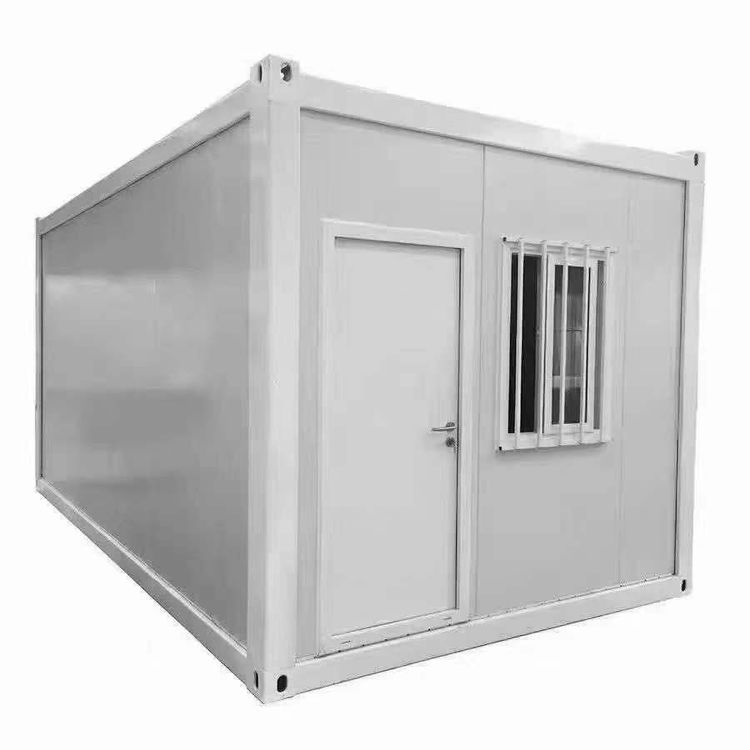
Transportation of Mobile Toilets
When transporting mobile toilets, to ensure they arrive at the customer's location intact, it is essential to focus on details such as packaging, securing, selecting appropriate transportation vehicles, and controlling the transportation environment.
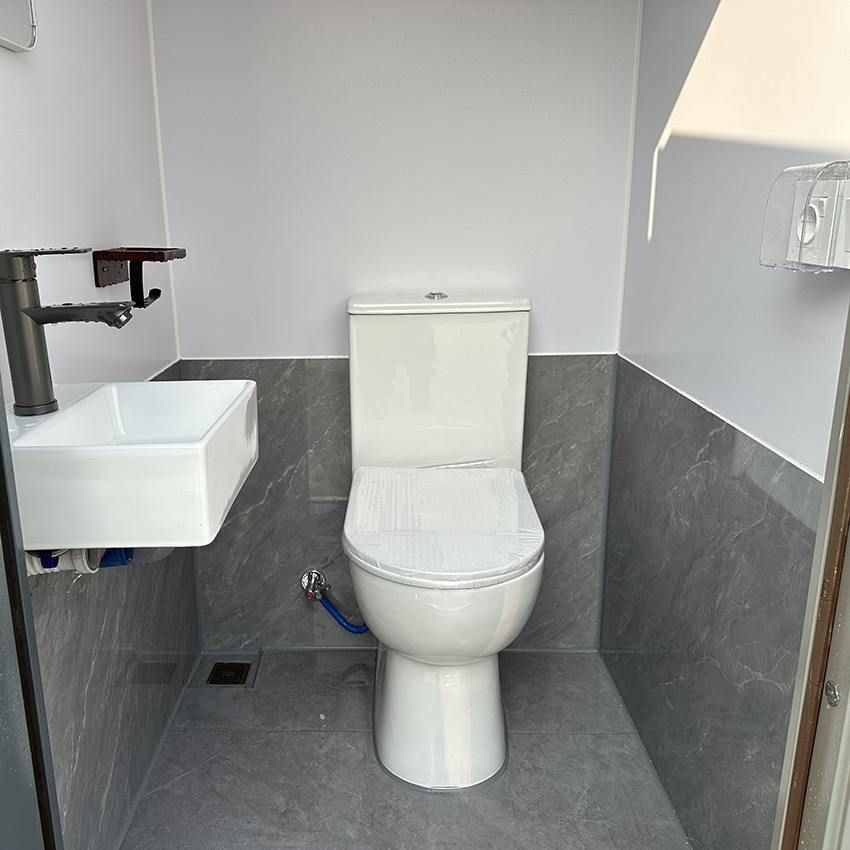
Firstly, proper packaging protection is fundamental. Although mobile toilets have relatively stable structures, they may encounter bumps and collisions during transportation. Therefore, it is necessary to wrap vulnerable parts such as the main body, doors, windows, and water tanks with shock-absorbing materials (e.g., foam boards, bubble wrap), especially fragile components like glass and ceramics, by increasing the thickness of the cushioning layer. The outer layer can be secured with wooden frames or hard cardboard boxes to form an overall protective framework, preventing deformation due to compression during transportation.
Secondly, ensuring secure fastening is crucial. When placing mobile toilets on transportation vehicles, use professional straps or ropes to tightly connect them to the vehicle's fixed points, preventing the toilets from sliding or tipping over during vehicle startup, braking, or turning. If transporting multiple layers of toilets, place anti-slip mats or wooden blocks between each layer to increase friction and prevent upper-layer toilets from pressing down and damaging the lower-layer structures due to inertia.
Furthermore, selecting appropriate transportation vehicles is important. Choose vehicles based on the size, weight, and transportation distance of the mobile toilets. For short-distance transportation, flatbed trucks can be used for easy loading and unloading; for long-distance transportation, enclosed trucks are recommended to prevent corrosion or aging caused by wind, rain, and sun exposure. If the toilets are large in size, plan the transportation route in advance to avoid roads with height or width restrictions, preventing collisions due to insufficient space.
Lastly, controlling the transportation environment is necessary. Mobile toilets may contain electrical components and water tanks inside, so transportation in high-temperature, humid, or extreme weather conditions should be avoided. If transportation in harsh environments is unavoidable, perform waterproof and moisture-proof treatments on the internal equipment in advance and promptly check the equipment's operational status upon arrival to ensure no damage has occurred.
By implementing these measures, the risk of damage to mobile toilets during transportation can be effectively reduced, ensuring they are delivered to customers in perfect condition.