
Xinxiang Mobile Toilet Design
Xinxiang mobile toilet design focuses on functionality and adaptability, meeting diverse needs through modular structures, eco-friendly technologies, and scenario-specific configurations. Common design features are as follows:
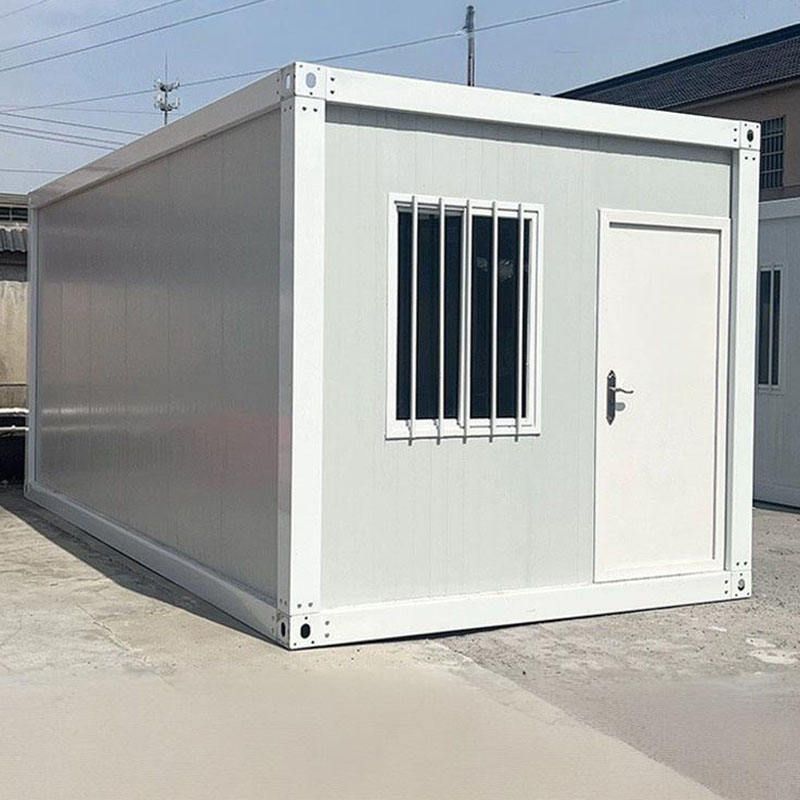
1. Main Structure and Materials: Combining Lightweight and Durability
The main body of mobile toilets is mostly made of high-strength fiberglass or stainless steel, featuring waterproof and corrosion-resistant properties to adapt to outdoor humid environments with significant temperature variations. The external shape is primarily rectangular or cylindrical, with typical dimensions of 1.5 meters × 1.2 meters × 2.2 meters, balancing space utilization and mobility. The bottom is equipped with universal wheels for easy manual or mechanical transportation; some models include brake devices to ensure stability during use and prevent sliding risks.
2. Internal Facility Configuration: Balancing Basic Functions and Premium Experiences
Basic configurations include non-slip floors, flushing systems (manual/foot-operated, some with water-saving designs), squat or sit toilets, toilet paper holders, hooks, lighting, and exhaust fans, meeting fundamental usage needs. Premium models are further upgraded with sinks (with hot and cold water functions), mirrors, shelves, and even sensor-activated faucets to reduce contact contamination. Some products adopt modular designs, such as detachable water tanks and squat toilets, facilitating later maintenance and cleaning.
3. Hygiene and Safety Design: Optimizing Odor Control and Sewage Disposal
Odor control is a core design aspect. Basic models use U-shaped water seals to block odor回流, while some models incorporate chemical deodorizers or activated carbon filters. Sewage disposal methods are flexible, allowing direct connection to municipal sewage pipes or the use of dedicated sewage collection buckets for regular cleaning. Reputable rental providers offer daily cleaning and waste removal services to ensure odor-free and stain-free interiors, meeting public health standards.
4. Environmental Protection and Sustainability: Water Conservation and Material Recycling
Most mobile toilets employ water-saving technologies, such as foot-operated flushing systems that reduce water consumption by over 30%; eco-friendly models are equipped with sewage treatment equipment, enabling treated wastewater to meet national discharge standards for irrigation or direct pipeline discharge. Material selection favors recyclable materials (such as fiberglass) or biodegradable materials, reducing environmental impact throughout the lifecycle.
5. Special Scenario Adaptation: Customized Functional Expansions
Designs can be flexibly adjusted for different usage scenarios:
- Outdoor events: Equipped with sunshades and rain covers to enhance comfort;
- Accessibility needs: Installed with disabled-friendly handrails and sit toilets, complying with accessibility design standards;
- Cold regions: Built with insulation layers or heating devices to prevent pipe freezing;
- Brand promotion: Offer customized exterior services, such as spray-painting corporate logos or advertising graphics.
6. Installation and Acceptance: Standardized Processes Ensure Quality
After production, strict acceptance checks are conducted to inspect structural stability and equipment integrity, followed by trial operations (such as flushing, ventilation, and lighting functions) to ensure stable performance in various environments (e.g., slopes, soft soil foundations). Rental companies typically provide one-stop services for transportation, installation, and dismantling, shortening deployment cycles.



