Back to blog
Article
Construction of Mobile Toilets in Wugou Area
Admin September 28, 2026
The construction of mobile toilets in the Wugou area requires a comprehensive design that takes into account site selection, structure, functionality, installation and maintenance, as well as environmental protection requirements. The specific plan is as follows:
I. Site Selection and Basic Requirements
- Drainage Conditions: Prioritize areas where the groundwater level is at least 1.5 meters below the bottom of the toilet pit to prevent seepage from contaminating the soil or groundwater.
- Scenario Adaptation:
- Temporary construction site toilets should be located downwind of the construction area to minimize odor impact;
- In rural or wild settings, avoid the core areas of nature reserves and restore the site to its original condition after use.
II. Structure and Material Selection
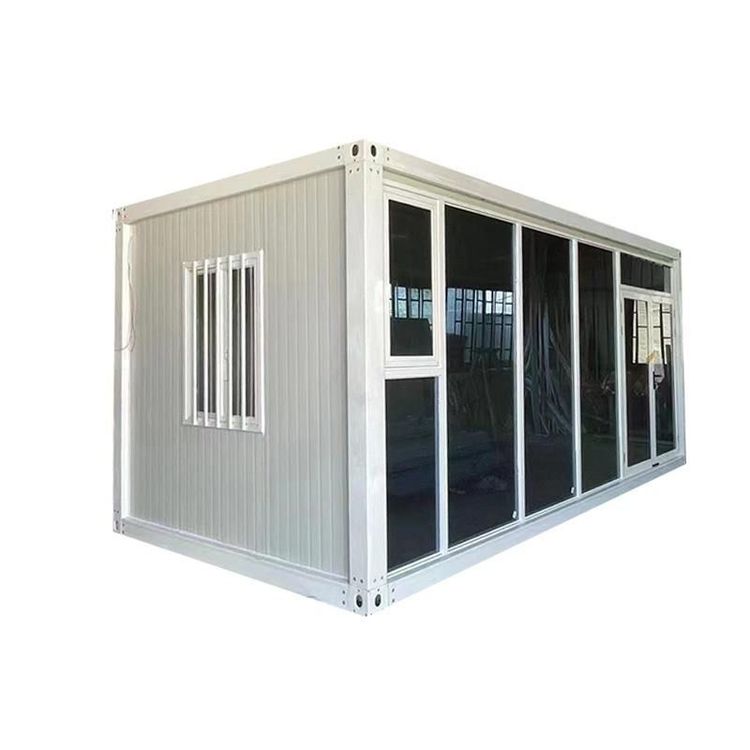
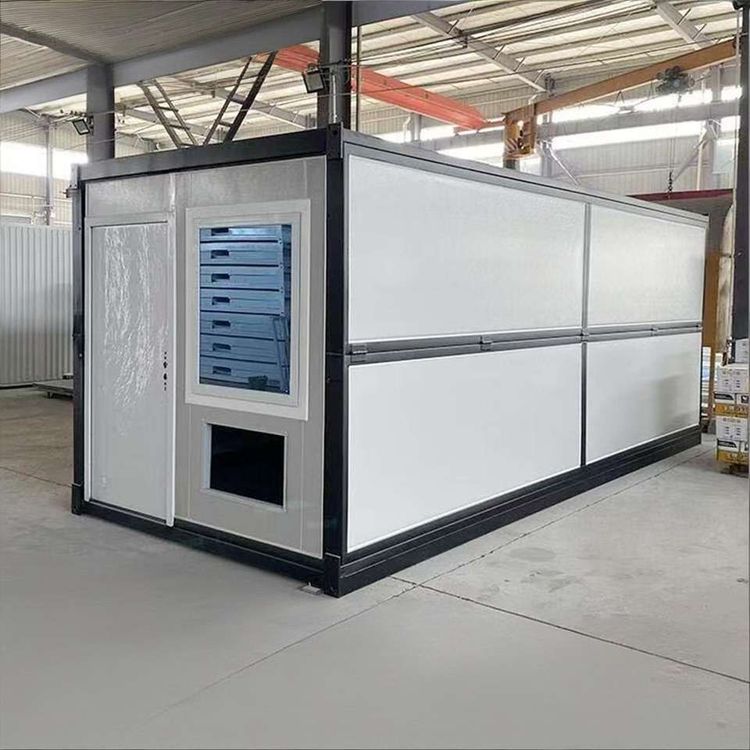
- Main Frame: Use metal materials (such as iron sheet profiles) to construct a lightweight frame, covered with color-coated steel sheet trim on the exterior for both strength and rust resistance.
- Thermal Insulation: Fill the interior sandwich layer with 5mm-thick foam material to adapt to outdoor environments with significant temperature variations.
- Seepage Prevention Treatment:
- For temporary toilets: Lay a thickened plastic seepage-proof membrane on the ground and compact the surrounding area with soil blocks;
- For long-term use: Excavate a 15-20 cm deep pit, lay cement or prefabricated seepage-proof panels, and backfill with sand for leveling.
III. Functional Configuration and User-Friendly Design
- Standard Dimensions: It is recommended that the equipment dimensions be 1100×1100mm in width and length, and 2000mm in height, equipped with plastic windows, metal locks, and color-coated steel sheet trim inside.
- Sewage Disposal System:
- Separate design: Separate wastewater from solid waste through drainage channels and collection buckets to reduce cleaning difficulty;
- Resource utilization: Solid waste can be treated through anaerobic fermentation or composting, and the liquid portion can be used for irrigation after secondary sedimentation.
- Extended Functions: Add a simple shower area as needed, with a waterproof and sealed design to prevent water stains from leaking out.
IV. Installation and Maintenance Points
- Assembly Process:
- Check the integrity of the loose parts and confirm that the color-coated steel sheets, foam sandwich layers, and connectors are not damaged;
- Assemble the frame in the order specified in the instructions, ensuring smooth opening and closing of doors and windows before securing the exterior panels.
- Daily Maintenance:
- Avoid hitting the color-coated steel surface with hard objects to prevent the coating from peeling off;
- In winter, prevent water from freezing and expanding, which could damage the structure, and disassemble and store it in a dry and ventilated place during long-term disuse.
V. Environmental Protection and Compliance
- Comply with local environmental protection regulations and strictly prohibit unauthorized construction in core areas of nature reserves and scenic spots.
- Regularly clean up feces. For temporary use, dig deep pits for burial; for long-term use, contact the sanitation department for removal.
**The plan should be adjusted according to the specific climate, geological conditions, and usage needs of the Wugou area. It is recommended to refer to standards such as the 'Rural Household Toilet Construction Specifications' for design.