
Mobile Toilets in the United States
Mobile toilets are widely used in the United States, with designs emphasizing flexibility and convenience to address issues such as the insufficient number and unreasonable layout of fixed public toilets in urban public spaces.
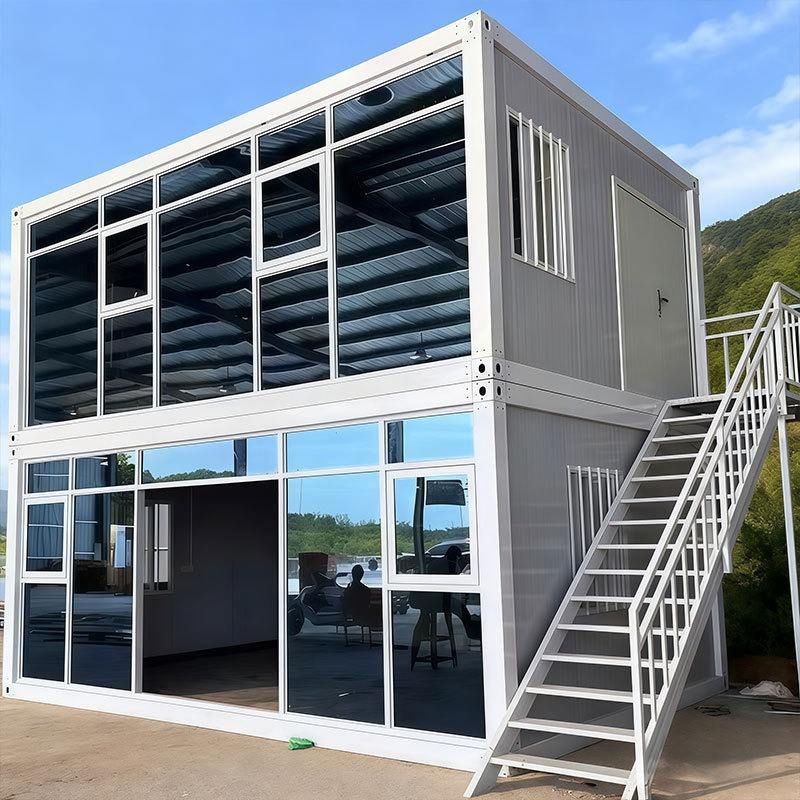
Rapid Deployment and Flexible Application
Mobile toilets can be quickly deployed to high-traffic areas such as parks, squares, and markets based on actual needs, providing convenient sanitation services for citizens. This flexibility makes them an important tool in urban public space management, especially in scenarios involving large-scale events or temporary demands, where they can swiftly supplement the shortage of fixed public toilets. For example, the WHITE WASH mobile restroom introduced by CALLAHEAD in New York integrates ceramic fixtures, a fully enclosed climate control system, and an independent water and electricity circulation module, offering a temporary restroom experience close to that of a fixed building for long-term projects and high-end commercial events in North America. This design not only meets basic sanitation needs but also enables rapid installation and disassembly through a modular structure, adapting to the dynamic needs of different scenarios.
Eco-Friendly Materials and Smart Technologies
Mobile toilets are typically manufactured using eco-friendly materials, featuring stylish exteriors and well-equipped interiors. In addition to basic sanitation functions, they are equipped with sinks, hand dryers, and other facilities. Some models even incorporate smart technologies such as automatic flushing and intelligent lighting. These designs not only enhance the user experience but also reduce operational costs through energy-saving technologies. For instance, automatic flushing systems minimize water waste, while intelligent lighting adjusts brightness based on ambient light, further optimizing energy efficiency.
High-End Applications and Special Scenarios
The application of mobile toilets extends beyond ordinary public spaces to high-end commercial events and special security scenarios. For example, the U.S. Secret Service once rented mobile toilets to support security operations at Trump's private golf club, with an initial cost of $80,385 and an option for a three-year renewal, potentially driving the total cost up to $333,801. This case demonstrates that mobile toilets can meet high-end demands through customized designs, such as independent water and electricity circulation and climate control, playing a crucial role in special scenarios.
Conclusion
By combining modular design, eco-friendly materials, and smart technologies, mobile toilets in the United States achieve flexible deployment and efficient operation. Their applications range from daily public space management to high-end commercial events and special security scenarios, showcasing versatility and adaptability. This design philosophy not only addresses the limitations of fixed public toilets but also provides new ideas for innovation in urban public services.



