Mobile Toilets in Parks
Mobile toilets in parks are facilities that can be moved as a whole and placed in parks and other locations to provide public restroom services.

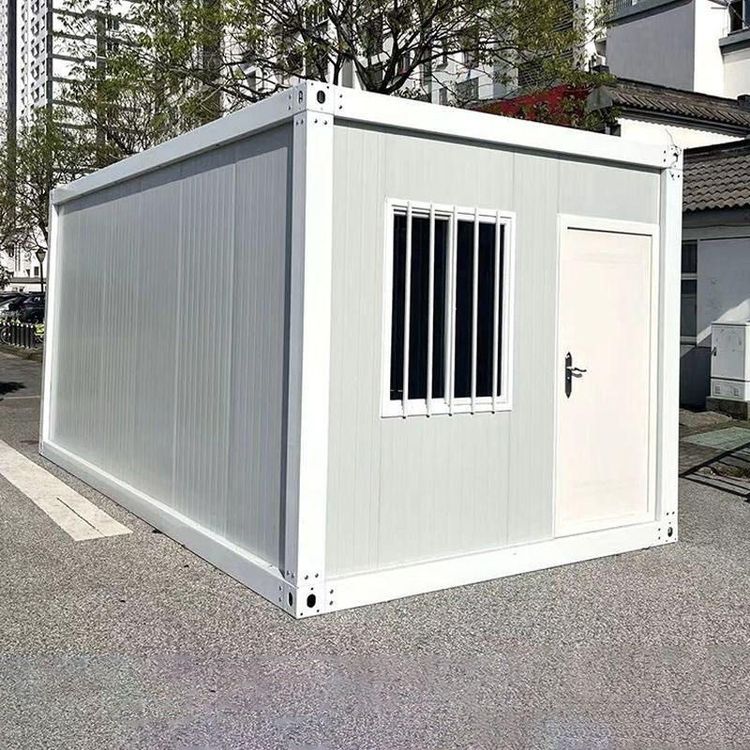
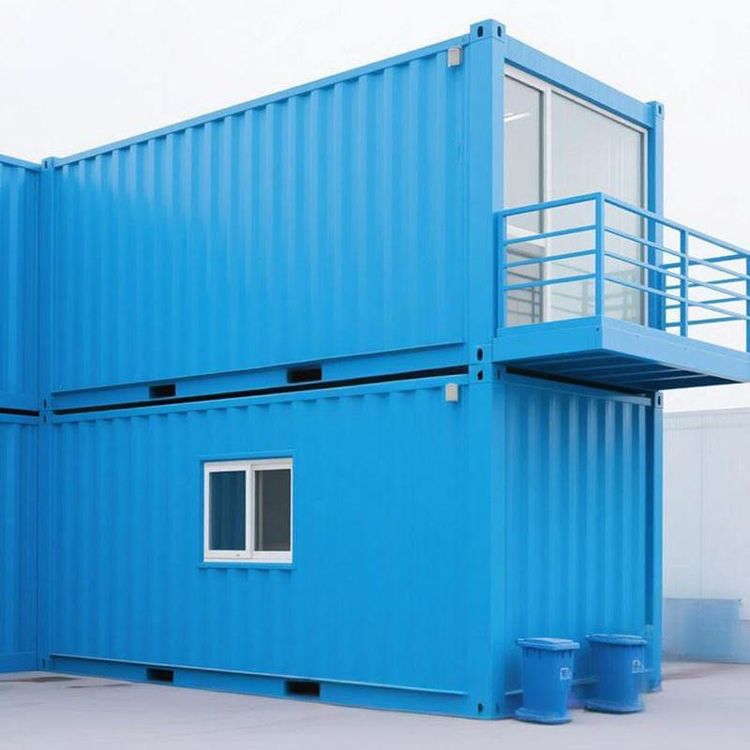
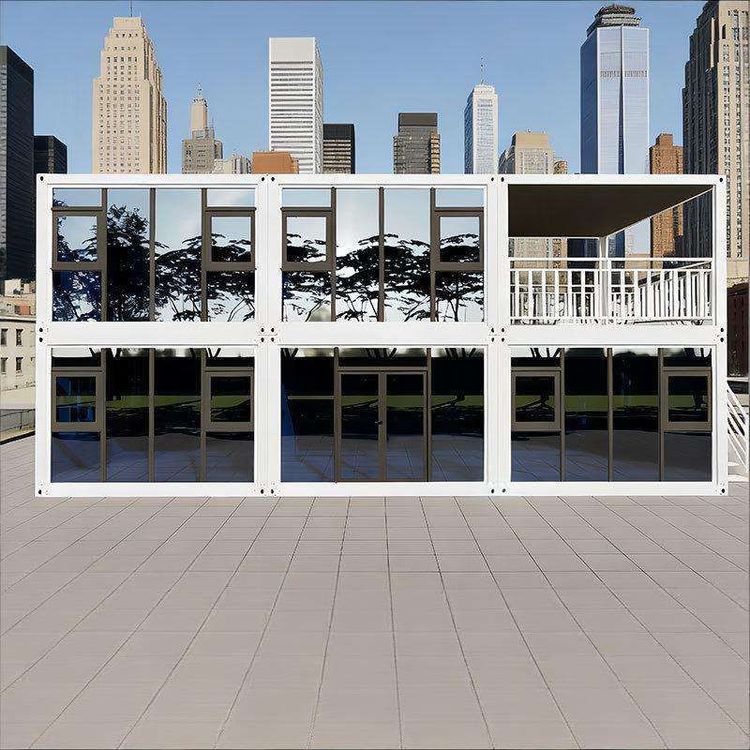
Diverse Styles and Designs: Park mobile toilets come with a complete set of amenities and are available in a variety of styles and designs. Some have a flat roof with a color scheme of white and brown, featuring double doors in the middle. Others are constructed with a steel frame, customizable with a pitched roof design, metal-carved walls, and an open hand-washing area. There are also rustic-style toilets with a pitched roof decorated with straw, a spacious rain-proof area in front equipped with public sinks and mirrors, matching wall panels and doors, and partitions in the men's restroom.
Rich Composition and Structure: Mobile toilets are generally composed of fecal sewage storage tanks (or fecal sewage treatment devices), floor slabs, sanitary ware, walls, washing facilities, water tanks, roofs, and mobile devices. These components work together to ensure the normal operation of the mobile toilet, providing users with a comfortable and hygienic restroom environment.
Multiple Classification Methods: According to structural form, mobile toilets can be divided into single-structure mobile toilets and composite-structure mobile toilets. According to mobility, they can be classified as hoisting and handling mobile toilets, powered and towed mobile toilets. According to sewage treatment methods, they can be categorized as water-flush and waterless-flush suction mobile toilets, circulating water-flush mobile toilets, and dry-packing mobile toilets. Different types of mobile toilets are suitable for different scenarios and needs, each with their own advantages and disadvantages.
Outstanding Features and Advantages: Mobile toilets have the characteristic of being easily transported to any location where restrooms are needed and can be reused multiple times. They also offer the advantages of mobility, modularity, and ease of transportation, allowing for flexible adjustment and layout according to the actual needs of the park. This effectively addresses the issue of restroom accessibility in parks, enhancing the overall service level and visitor satisfaction.