
Mobile Toilets in Epidemic-Affected Communities
During the epidemic, mobile toilets have become key facilities in communities for ensuring residents' basic living needs and reducing infection risks by meeting temporary sanitation requirements, optimizing epidemic prevention design, enabling rapid deployment and flexible movement, improving maintenance and management mechanisms, and providing customized services.
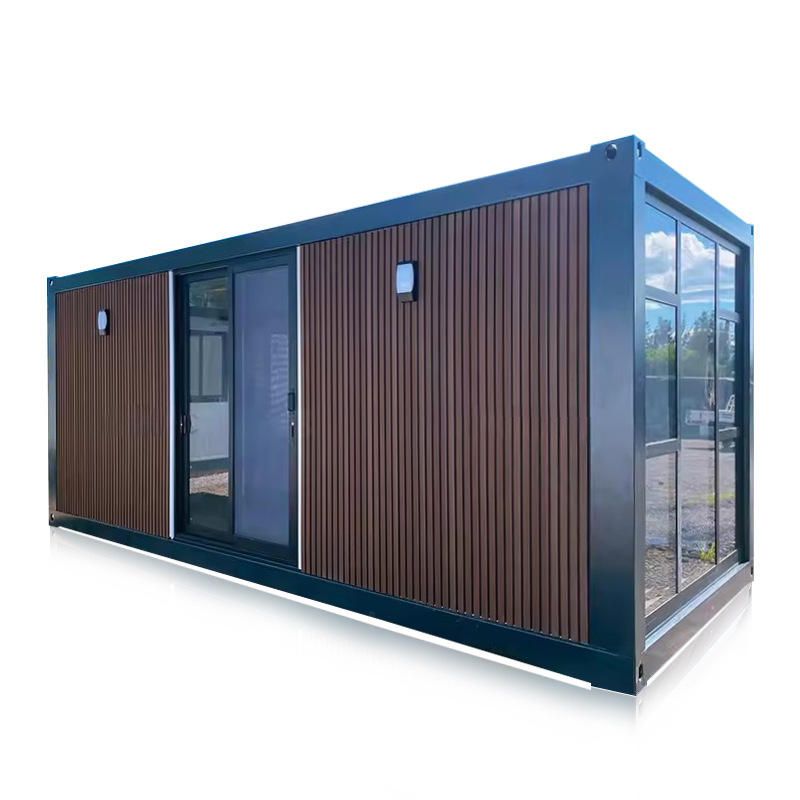
1. Meeting Temporary Sanitation Needs
In locked-down areas, especially older communities lacking independent sanitation facilities, residents face significant challenges with toilet access. Mobile toilets effectively address this basic living need by providing independent toilet spaces. For example, in Hongkou District, four standalone mobile public toilets were installed on Xibaoxing Road in Guangzhong Subdistrict, with coordinated water and sewage connections to ensure normal use by residents. Their modular design supports rapid adjustment of the number of toilet stalls, allowing flexible expansion from a single stall to dual stalls by simply adding intermediate partitions and sewage pipes, adapting to different usage scenarios.
2. Epidemic Prevention Design
Mobile toilets reduce cross-infection risks through multiple technologies:
- Physical Isolation: Single-stall designs minimize person-to-person contact.
- Sealed Sewage Systems: The sealed design of fecal storage tanks prevents odor leakage, with some models supporting customizable volumes (0.5m³-2m³) to accommodate high-frequency usage scenarios.
- Ventilation Modules: Air circulation is achieved through top vents and sidewall exhaust fans, with some models meeting IPX4 protection standards to resist rainwater infiltration.
- Disinfection Technologies: Some are equipped with automatic cleaning functions, such as "unmanned toilets" that clean and disinfect the toilet bowl, floor, and ceiling within 6-10 minutes after use, releasing ozone for space disinfection; negative-pressure toilets use unidirectional airflow to draw lower-level air into a top sterilization system for harmless discharge after treatment.
3. Rapid Deployment and Flexible Movement
Mobile toilets require no complex infrastructure and can be transported as a whole using forklifts or cranes, with installation requiring only a level ground surface. For example, two standalone mobile public toilets were installed at the Guangyue Road supply point, with regular disinfection by market staff to quickly respond to temporary needs. Their modular structure supports rapid assembly and disassembly, making them suitable for sudden scenarios such as community lockdowns and makeshift hospital construction during the epidemic.
4. Maintenance and Management
Daily maintenance includes regular cleaning of fecal storage tanks (recommended every 3-5 days, adjusted based on usage volume), checking ventilation equipment operation, and replenishing disinfectants. During the epidemic, Hongkou District equipped mobile public toilets with cleaning staff for regular disinfection and provided epidemic prevention training for key disinfection points to ensure facility hygiene and safety.
5. Customized Services
Mobile toilets support multi-dimensional customization, including color (commonly using eye-catching medical yellow for epidemic scenarios), size (minimum dimensions of 1.2m×1.2m for single stalls), and thickness (achieved by adding or removing layers of color steel plates) to meet different scenario requirements. For example, Guangzhong Road makeshift hospital was equipped with eight mobile shower units and one mobile toilet to support frontline personnel.



