
Mobile Toilets Along Tourism Routes
Mobile toilets along tourism routes are facilities that provide toilet services for the public and customers. They have the advantages of being movable, combinable, and easy to transport. Moreover, the construction of mobile toilets along tourism routes in Xinjiang has been continuously intensified, and they are undergoing iterative upgrades.
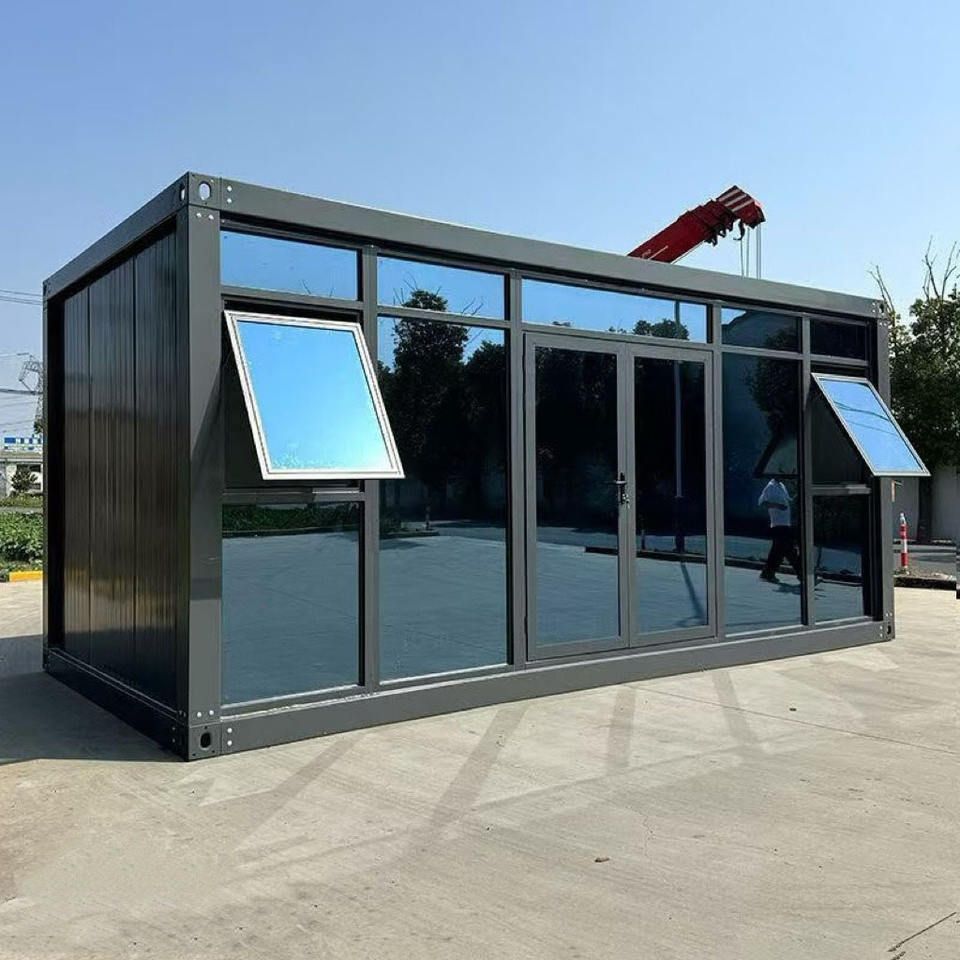
I. Basic Composition and Classification Mobile toilets are generally composed of fecal sewage storage tanks (or disposal devices), floor slabs, sanitary ware, walls, washing equipment, water tanks, roofs, and mobile devices. According to their structural forms, they can be divided into single-unit structures and composite structures; according to their mobility methods, they can be divided into hoisting and handling types and powered towing types; according to their sewage treatment methods, they can be divided into water-flushing and waterless-flushing suction types, circulating water-flushing types, and dry-packing types. This classification method enables them to adapt to different scenario requirements. For example, in water-scarce areas, the dry-packing type can be used to reduce dependence on water resources.
II. Construction Status Along Tourism Routes in Xinjiang Xinjiang has continuously increased its efforts in the construction of tourism toilets. As of now, the total number of tourism toilets across the region has reached 4,335, and there are plans to build 47 new mobile toilets in 2026. Taking the Ahe Highway as an example, seven standardized service stations are planned along the entire route, with 293 standardized toilet stalls set up. Four of these stations have already been opened to the public, and they are equipped with sewage suction trucks, garbage compression trucks, and water supply trucks. A dedicated team has been formed for regular cleaning and maintenance operations to ensure the cleanliness and proper functioning of the toilets.
III. Quality Improvement and Standardized Management Tourism toilets in various parts of Xinjiang are undergoing iterative upgrades. Quality category assessments for Class I and Class II are carried out in accordance with the national standard Quality Requirements and Assessment of Tourism Toilets (GB/T 18973—2022). Since 2023, a total of 36 Class I toilets have been assessed across the region, and there are plans to assess another 15 in 2026. By setting examples, these efforts drive the improvement of overall service quality. This measure not only optimizes the tourist experience but also promotes the standardized development of tourism infrastructure.
IV. Core Advantages and Application Value The core advantages of mobile toilets lie in their flexibility and adaptability. They can be quickly deployed to areas in need along tourism transportation routes and temporary event venues, and they can be reused repeatedly, reducing long-term construction costs. For example, during the peak tourist season or large-scale events, mobile toilets can quickly supplement the shortage of fixed toilets and relieve toilet pressure, which is of great significance for improving the quality of tourism services.



