
Mobile Toilet Hanging on Roof
Hanging a mobile toilet on the roof is not a standard use or installation method for mobile toilets, and it poses safety hazards and regulatory risks, so it is not recommended.
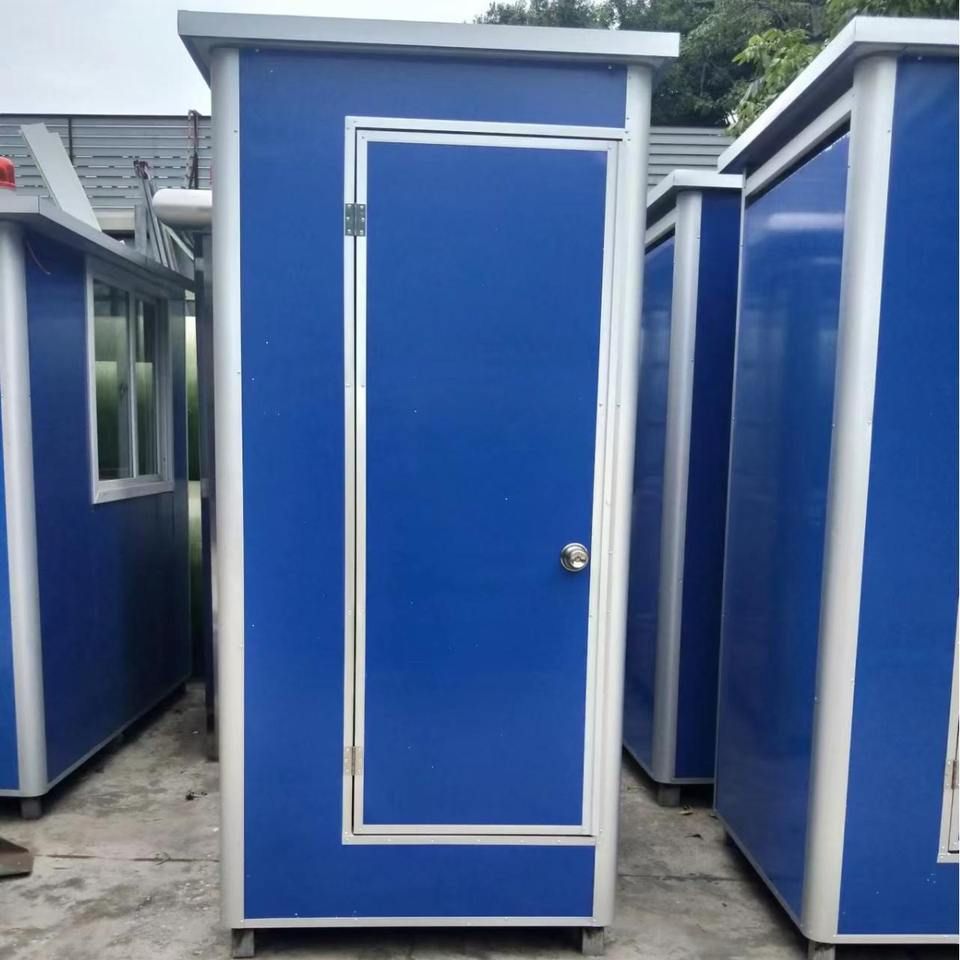
I. Standard Components of Mobile Toilets
Mobile toilets typically consist of fecal sewage storage tanks (or fecal sewage treatment devices), floor slabs, sanitary ware, walls, washing equipment, water tanks, roofs, mobile devices, and other components. These components together form a complete, movable sanitation facility designed to meet people's toilet needs in outdoor or temporary locations. Their original design intention is for easy movement and installation, rather than being fixed at high places such as rooftops.
II. Potential Problems with "Mobile Toilet Hanging on Roof"
- Safety Hazards: Hanging a mobile toilet on the roof first raises structural safety concerns. Mobile toilets are not designed for high-altitude suspension, and their weight, structural strength, and fixing methods cannot meet high-altitude safety requirements. Once not firmly fixed or encountering severe weather, the mobile toilet may fall, posing a serious threat to people and property below.
- Regulatory Risks: In most areas, constructing facilities on rooftops or other public or private spaces without planning approval is considered illegal construction. This not only violates urban planning and management regulations but may also face legal consequences such as demolition and fines.
- Inconvenience in Use: Even if the mobile toilet can be勉强 fixed on the roof, its use will face many inconveniences. Issues such as the safety of access to and from the roof, psychological pressure during toilet use, and difficulties in cleaning and maintenance will all seriously affect the user experience.
III. Reasonable Suggestions
For the need to set up mobile toilets in specific locations, it is recommended to choose safe and compliant locations on the ground for installation. At the same time, ensure that the fixing method of the mobile toilet is firm and reliable, meeting relevant safety standards. If sanitation facilities need to be set up at high places such as rooftops, consult professional institutions or relevant departments to understand compliant construction methods and approval procedures.



