
Mobile Toilet for Emptying Chamber Pots
The concept of mobile toilets related to 'emptying chamber pots' mainly involves two types: mobile toilets and portable toilets, but it does not explicitly point to the traditional scenario of waste disposal from chamber pots. Here is a detailed analysis:
Mobile Toilets: Portable Personal Sanitation Devices
Mobile toilets are portable sanitation devices designed specifically for individuals with mobility issues, such as the elderly, pregnant women, and the disabled. Their core function is to provide a stable and safe sanitation environment while being easy to clean and move.
- Structural Features: They typically adopt an integrated design, equipped with anti-slip bases, handrails, and backrests. Some high-end models also incorporate double-layer sealing structures to reduce odor leakage. For example, certain products use silicone sealing rings to isolate waste from the air, reducing the risk of odor diffusion.
- Usage Scenarios: They are suitable for indoor environments such as homes, hospitals, and nursing homes, especially for those who cannot use traditional toilets or require temporary sanitation assistance. Their lightweight design (e.g., made of plastic) facilitates easy transportation, but they require regular manual cleaning of waste.
- Limitations: Mobile toilets are essentially 'fixed-position portable devices' that require human intervention for cleaning, differing in function from portable toilets that 'automatically process waste'.
Portable Toilets: Movable Public or Temporary Facilities
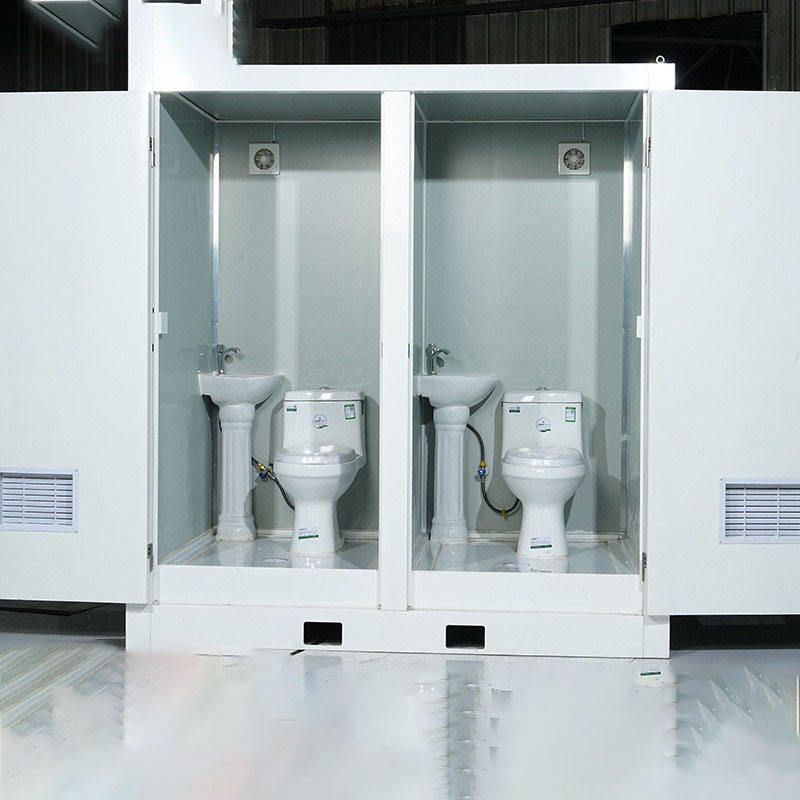
Portable toilets typically refer to public sanitation facilities that can be quickly deployed through truck transportation or modular assembly, commonly seen in outdoor events, disaster relief, and other scenarios.
- Technological Types: They include chemical degradation, bagging, and microbial treatment types, among others. For example, chemical degradation types process waste by adding deodorizers and coagulants; bagging types use biodegradable plastic bags to collect waste for unified disposal later.
- Functional Advantages: They do not require connection to sewers, can operate independently, and some models are equipped with additional features such as sinks and lighting to enhance the user experience.
- Association with 'Emptying Chamber Pots': If 'emptying chamber pots' refers to the traditional method of waste disposal (e.g., manually emptying night pots), portable toilets reduce human intervention through automation or semi-automation, but both involve waste collection and subsequent disposal processes.
Clarified Concept: Toilet Offset Connector
A toilet offset connector is an installation fitting used to adjust the position of a toilet's waste outlet to resolve installation mismatches. It is unrelated to the functions of 'mobile toilets' or 'emptying chamber pots' and belongs to the field of plumbing engineering accessories.
If you require further information on the specific operations or historical background of traditional 'emptying chamber pots', please provide additional details so that more precise information can be offered.



