
Mobile Toilet for Attic Use
Currently, there is no mobile toilet specifically designed for attics, but an appropriate type can be selected and reasonably arranged based on attic conditions.
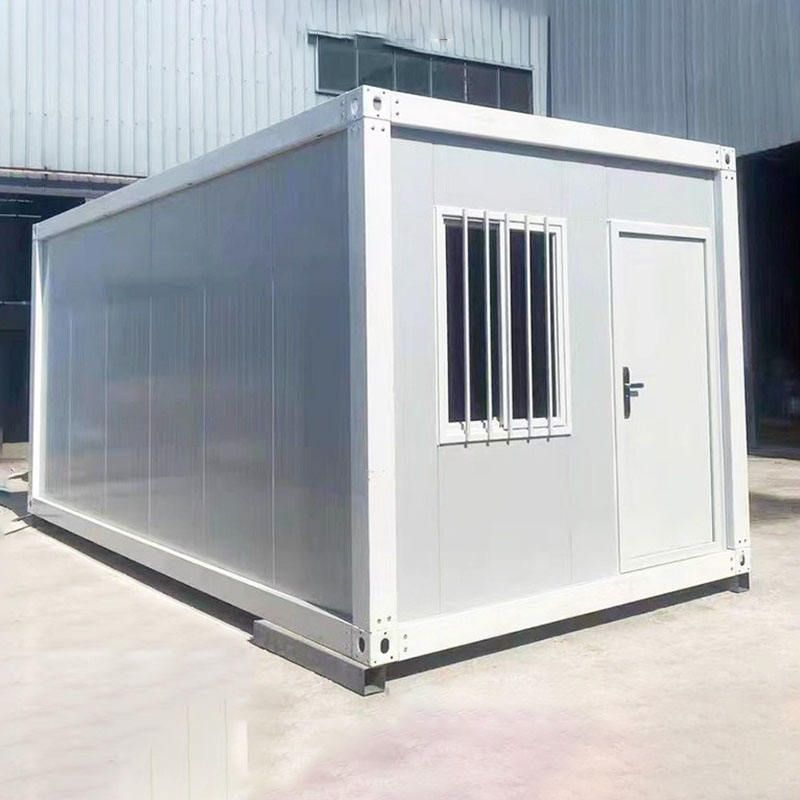
Mobile toilets are typically composed of modules such as fecal sewage storage tanks (or disposal devices), floor slabs, sanitary ware, walls, washing equipment, water tanks, roofs, and mobile devices. Their structural forms can be divided into single-unit structures (independent units) and composite structures (multi-module combinations). The mobile methods include lifting/handling types (requiring manual or mechanical handling) and powered/trailer types (capable of self-movement or being towed by vehicles). If the attic space, load-bearing capacity, and water supply and drainage conditions meet the requirements, theoretically, an appropriate mobile toilet can be selected through the following steps:
1. Assess the basic conditions of the attic
It is necessary to focus on measuring the available space in the attic (length, width, and height), the load-bearing capacity of the floor slab (which must be greater than the self-weight of the mobile toilet and the dynamic load during use), and the conditions for water supply and drainage access. If there are no sewage pipes in the attic, a waterless flushing type with its own fecal storage tank or a mobile toilet equipped with a small sewage treatment device should be selected; if there are water drainage interfaces, a conventional water flushing type can be considered, but it is necessary to ensure that the drainage slope and pipe diameter meet the requirements.
2. Select an appropriate structural type
- Single-unit structure: Suitable for attics with limited space, usually an independent unit, easy to install, but with limited capacity in functional modules (such as fecal storage tanks and water tanks), requiring regular cleaning.
- Composite structure: Composed of multiple modules, it can flexibly expand functions (such as adding urinals and hand-washing sinks), suitable for attics with larger space and long-term use, but with higher installation complexity.
3. Match the mobile method
- Lifting/handling type: Suitable for attics without elevators or with narrow staircases, requiring installation through lifting equipment or manual handling, but repeated operations are needed for later movement.
- Powered/trailer type: If the attic has an independent entrance and a flat ground surface, a trailer type with wheels can be selected, which can be moved by vehicle traction, but sufficient turning space needs to be reserved.
4. Optimize the user experience
Ventilation (installing exhaust fans or fresh air systems), lighting (adding windows or lighting fixtures), and privacy protection (using opaque walls or curtains) need to be considered. If there is no power supply in the attic, solar power supply or manual flushing devices should be selected; in winter, insulation measures (such as heated toilet seats) should be equipped to prevent pipe freezing.
Precautions: The installation of mobile toilets must comply with building safety regulations to avoid damaging the attic structure; before use, it is necessary to confirm the maintenance cycle (such as the frequency of fecal storage tank cleaning) and after-sales service with the supplier to ensure the convenience of long-term use.



