
Dimensions of Portable Toilets in Datong Scenic Area
The dimensions of portable toilets in Datong Scenic Area vary depending on the type, which can be categorized into single-person, double-person, barrier-free, and outdoor eco-friendly types. Below are detailed dimension descriptions:
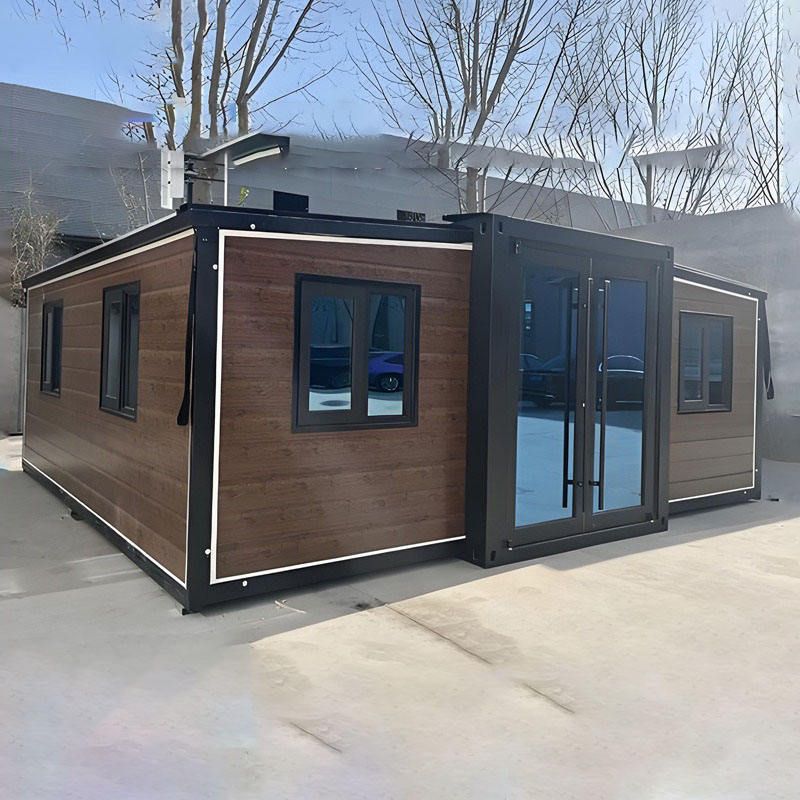
The regular single-person portable toilet typically measures 110cm in length, 110cm in width, and 230cm in height. This design balances space utilization and user comfort, making it suitable for single-person independent use scenarios. For a more compact layout, the mini single-person model can be reduced to 100cm in length, 100cm in width, and 220cm in height, suitable for areas with lower foot traffic or limited space.
The double-person portable toilet usually measures 180cm in length, 110cm in width, and 230cm in height. By expanding the space horizontally, it can accommodate two people simultaneously, effectively alleviating queue pressure during peak hours and improving usage efficiency.
Portable toilets designed to meet barrier-free requirements are larger, typically measuring 180cm in length, 150cm in width, and 240cm in height. The design focuses on meeting special needs such as wheelchair rotation and handrail installation, with a more spacious interior and a door width of usually no less than 90cm to ensure safe and independent use by individuals with mobility impairments.
In addition, the standard interior dimensions of the outdoor eco-friendly portable toilet in Datong Park are 1.1m × 1.6m (length × width). This size combines eco-friendly materials with modular design, ensuring basic usage functions while facilitating quick installation and maintenance. Its height is usually consistent with the regular model, approximately 230cm, to accommodate people of different heights.
Core Logic Behind Dimension Differences:
- Function-Oriented: Single-person and double-person models meet different user capacity needs through space expansion; the barrier-free model adapts to special populations by increasing size, reflecting humanized design.
- Scenario Adaptation: The mini model is suitable for space-constrained areas, the standard model for regular scenarios, and the eco-friendly model balances outdoor environmental conditions with usage convenience.
- Regulatory Requirements: Barrier-free design must comply with clauses in the Barrier-Free Design Code (GB 50763-2012) regarding aisle width and rotation space to ensure compliance.
Practical Application Recommendations:
Scenic areas can select appropriate types based on visitor volume, spatial conditions, and special needs (such as the proportion of elderly visitors). For example, double-person or barrier-free models can be placed along main sightseeing routes, while mini single-person or eco-friendly models can be used in remote areas or temporary event venues to balance cost and user experience.



