
Custom Mobile Toilets for Construction Sites in Xiaogan
When customizing mobile toilets for construction sites in Xiaogan, it is essential to comprehensively consider four core dimensions: equipment quality, emergency response, customized solutions, and compliance qualifications.
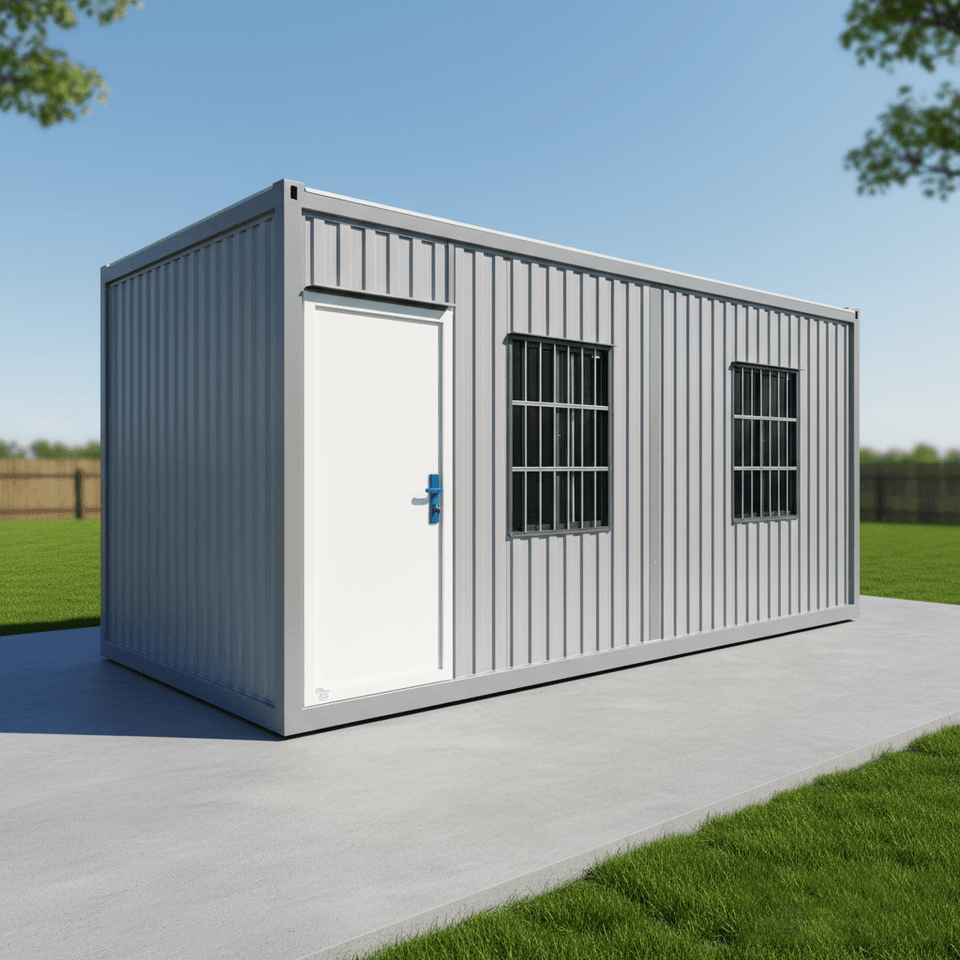
1. Equipment Quality and Hygiene Standards as the Foundation
The primary function of mobile toilets for construction sites is to meet hygiene needs, and equipment quality directly affects the user experience. Prioritize selecting brand-new or nearly-new equipment, ensuring that internal facilities are complete and operate stably, such as flushing systems (if water-flushed), handwashing stations, and ventilation equipment, which should be free from damage. If choosing packaged mobile toilets, it is crucial to assess the maturity of their "zero water flush, zero sewage discharge" technology:
- Reliability of the packaging mechanism: Avoid issues such as bag jamming or liquid leakage, especially ensuring effective anti-freezing design in low-temperature winter environments;
- Odor control: Poorly sealed toilets can easily lead to odor overflow, so choose products equipped with efficient deodorization systems;
- Material durability: Construction site environments are complex, so equipment shells need to be corrosion-resistant and impact-resistant, while internal components (such as toilet seats and door locks) should be easy to clean and wear-resistant.
2. Emergency Response and Service Efficiency as Guarantees
Construction projects have long durations, and equipment failures can affect progress, making the responsiveness of service providers crucial. Prioritize selecting service providers that offer 24-hour service and commit to arriving on-site for repairs or replacements within one hour, and confirm in advance the service coverage area (such as whether they support equipment dispatch across the entire city of Xiaogan or specific regions). Additionally, clarify service terms, such as whether they include value-added services like regular inspections and consumable replenishment (such as toilet paper and disinfectants), to avoid additional costs later.
3. Customized Solution Design Capability as the Key
Construction site scenarios vary, requiring adjustments to toilet configurations based on actual needs. For example:
- Simple models with footrests: Suitable for muddy or uneven terrain, enhancing user convenience;
- Accessibility features: If there are disabled individuals on the site or compliance with relevant regulations is required, add designs such as handrails and low-position toilets;
- Capacity matching: Choose single-toilet or multi-toilet combinations based on the number of workers to avoid queues or resource waste.
High-quality service providers should be able to offer on-site inspection services and design reasonable solutions based on factors such as site layout and pedestrian density.
4. Compliance Qualifications and After-Sales Guarantees as the Bottom Line
When selecting a service provider, verify that their business license and production qualifications are complete to avoid partnering with unqualified workshops. Contract terms should clearly specify:
- Deposit refund conditions: Whether specific standards (such as no damage or cleanliness) need to be met when returning the equipment;
- Damage compensation regulations: Clearly define the boundaries between natural wear and tear and human-caused damage, as well as the compensation ratios;
- Scope of free services: Whether on-site installation and waste removal are included in the quoted price.
Furthermore, assess the reliability of the manufacturer by examining their technical path maturity, production equipment advancement, verifiability of past cases (such as whether they have served large-scale construction projects), and after-sales service response mechanisms (such as whether they have established rapid feedback channels).



