
Towable Container House
Some container houses can be towed and moved, but specific conditions must be met and operations should be carried out with caution.
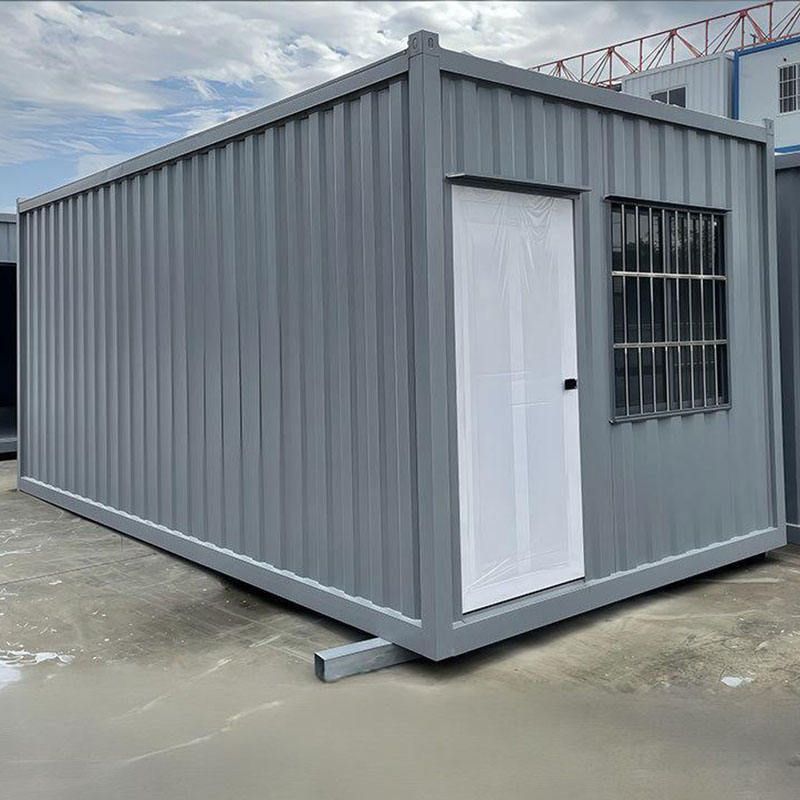
Basic Conditions for Mobility
The mobility of container houses primarily depends on their structural design. Standard shipping containers inherently possess mobility. Their size specifications (such as 20 feet and 40 feet) and standardized interface designs enable them to be moved as a whole using specialized transportation vehicles (such as trucks and ships). However, when used as houses, structural reinforcement and functional modifications are required, such as adding internal support frames, installing doors and windows, and laying floors. These modifications may affect their original mobility.
Feasibility of Towing and Moving
Some lightweight and modularly designed container houses can be towed and moved. For example, foldable containers have a reduced volume when folded, facilitating transportation. Some integrated housing companies produce movable container houses using lightweight materials (such as aluminum alloys and composite panels) and modular designs, which can reduce the overall weight and enable them to be towed. However, it should be noted that towing and moving must meet the following conditions:
- Structural Strength: The house must have sufficient structural strength to withstand the pulling force, vibrations, and road bumps during the towing process, avoiding deformation or damage.
- Weight Limit: The towing vehicle must have sufficient power and load-bearing capacity to safely tow the container house.
- Regulatory Compliance: Local traffic regulations must be followed, such as obtaining over-limit transportation permits and using specialized towing equipment.
Limitations in Practical Applications
Most fixed container houses are not suitable for towing and moving. For example, container houses used as temporary offices, accommodations, or event support facilities usually adopt full steel structural frames and heavy-duty materials to enhance structural stability and resistance to wind and earthquakes. These houses are relatively heavy and may be fixed to the foundation using bolts or welding, making them difficult to tow and move. In addition, container houses that are used for long-term turnover may experience fatigue damage due to repeated disassembly and assembly, further reducing the safety of movement.



