
Tourism Scenic Area Mobile Toilet Project
The tourism scenic area mobile toilet project is an important facility that meets the temporary and periodic toilet needs of tourists and makes up for the shortage of fixed public toilets. It features mobility, environmental protection, and intelligence.
I. Core Functions and Advantages
Mobile toilets, through their movable and combinable designs, can be rapidly deployed to areas in scenic spots where fixed public toilets are insufficient or where tourists are concentrated, effectively solving the problem of difficulty in finding toilets during peak periods. Their advantages include:
- Flexibility and Adaptability: Utilizing lifting and powered towing methods for movement, they can be reused and repositioned to adapt to different terrains and tourist flow demands. For example, the Lanzhou Yellow River Scenic Area has optimized service nodes along tourist routes by installing mobile toilets.
- Environmental Protection and Resource Conservation: Mobile toilets are classified into types such as water-flush, waterless suction, recirculating water-flush, and dry-packing based on sewage treatment methods. Waterless types reduce water consumption through vacuum adsorption or biodegradation technologies, while recirculating water-flush types reuse sewage through filtration systems, meeting the requirements for ecological scenic area construction.
- Economy and Durability: Single-structure mobile toilets have lower costs and are suitable for short-term or temporary events; composite-structure mobile toilets use lightweight materials, balancing strength and weather resistance, and reducing long-term maintenance costs.
II. Design Principles and Technical Classifications
The design of mobile toilets should adhere to the following principles:
- Mobility and Convenience: Modular structures facilitate transportation and assembly;
- Environmental Protection and Ecology: Priority is given to harmless treatment technologies to minimize pollution to the scenic area environment;
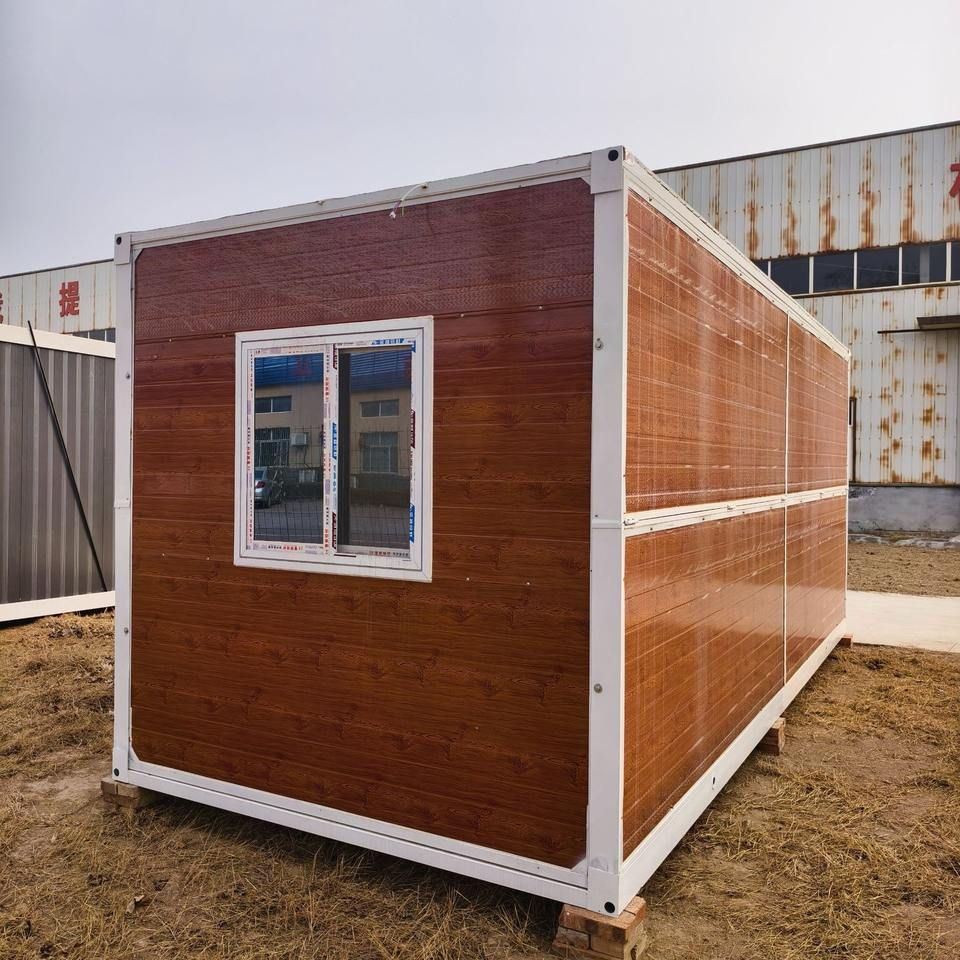
- Landscape Harmony: Through exterior designs such as wooden house-style or antique-style, they integrate into the cultural characteristics of the scenic area.
In terms of technical classifications:
- By Structural Form: Divided into single-structure (independent units) and composite-structure (multi-unit combinations);
- By Movement Method: Including lifting-type (requiring lifting equipment) and powered towing-type (self-propelled);
- By Sewage Treatment: Water-flush types rely on municipal sewage networks or storage tanks, while waterless types achieve fecal collection through dry-packing or chemical treatment.
III. Application Cases and Development Trends
In Xinjiang's efforts to upgrade tourism toilets, plans are underway to build 47 new mobile toilets by 2026 to完善 (improve/complete) the layout of 4,335 tourism toilets across the region. Additionally, intelligent management has become a new direction, such as using electronic navigation to guide tourists to toilets quickly or employing odor monitoring systems to adjust ventilation equipment in real-time, enhancing the user experience. In the future, mobile toilets will further integrate new energy technologies (such as solar power) and Internet of Things platforms to achieve remote monitoring and data-driven management.



