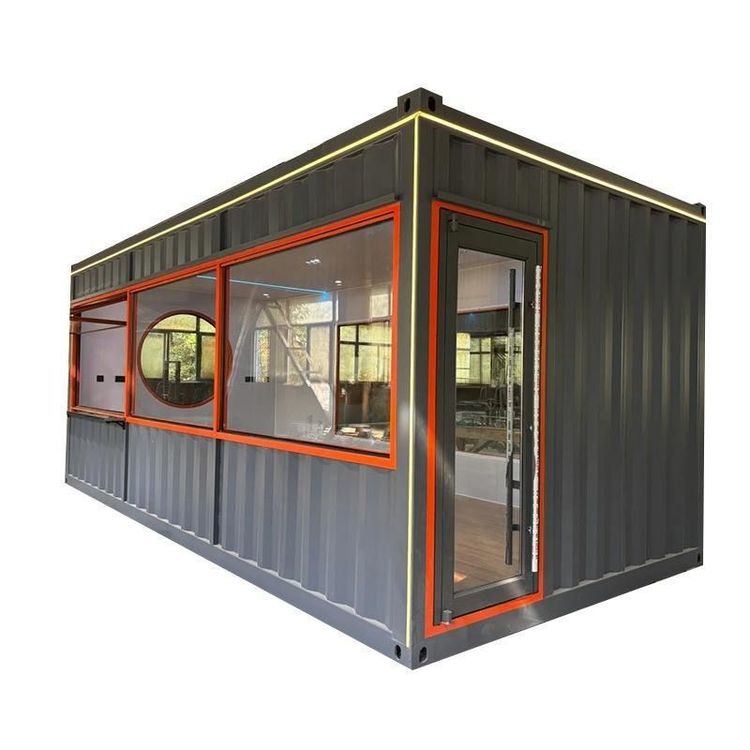
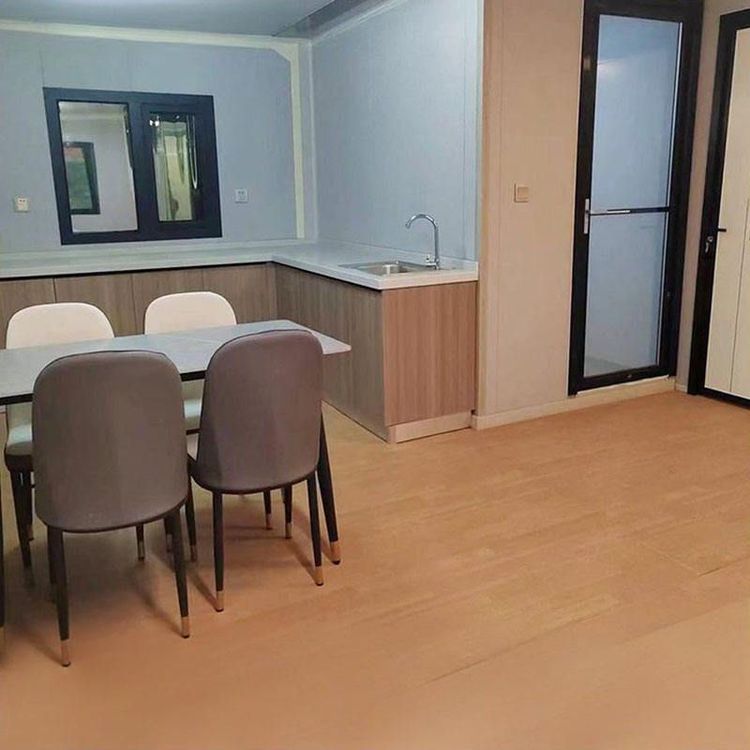
Construction of Mobile Toilets for Tourism
The construction of mobile toilets for tourism needs to be planned in combination with site requirements, facility types, and functional characteristics, with the core being the selection of appropriate mobile toilet types and the completion of basic installation and functional debugging.

1. Clarify Construction Scenarios and Requirements
When constructing mobile toilets for tourism, priority should be given to the usage scenarios, such as scenic spots, temporary event venues, or remote areas. For example, the four-stall mobile toilet (4 meters long and 2.3 meters wide) provided by Dezhou Hongtu Metal Products Co., Ltd. is suitable for small scenic spots or temporary event sites with limited space, while the Apple Cabin toilet, occupying 30 square meters and equipped with a public hand-washing area and management space, is more suitable for core scenic spots with high foot traffic or long-term fixed venues. Requirement analysis should cover the number of users, duration of use (temporary/long-term), and functional extensibility (such as the need for a management room or barrier-free facilities).
2. Select Appropriate Mobile Toilet Types
Choose structural types based on requirements:
- Lightweight Type: Such as the four-stall mobile toilet, which adopts a galvanized frame or metal carved panel exterior wall, has thermal insulation properties, is relatively lightweight, can be quickly deployed through hoisting or manual handling, and has a low cost (less than 20,000 yuan for purchase).
- Modular Large Type: Such as the Apple Cabin toilet, which achieves larger space through standardized module assembly and can integrate a hand-washing area, management room, and even a baby care room, suitable for long-term fixed use but requiring sufficient site space and transportation channels.
Material selection should focus on durability: The metal carved panel exterior wall can withstand wind and rain erosion, the galvanized frame structure enhances stability, and the pointed roof design reduces snow accumulation pressure (such as the pointed roof design of the four-stall toilet).
3. Complete Basic Installation and Functional Debugging
- Site Preparation: The ground needs to be leveled and hardened to ensure the mobile toilet is stable and level after placement; for long-term use, a concrete foundation can be poured for fixation.
- Water and Electricity Connection: For temporary scenarios, waterless flushing types (such as packaged or foam-sealing toilets) can be selected; for long-term scenarios, connection to municipal water supply or installation of a water storage tank is required, along with laying sewage pipes or configuring a septic tank.
- Functional Testing: Check whether facilities such as stalls, urinals, and hand-washing basins are unobstructed, whether lighting and ventilation systems are functioning properly, and whether details such as door locks and odor control devices are in good condition.
4. Maintenance and Emergency Management
After construction, a maintenance plan should be formulated, including regular cleaning, replenishment of consumables (such as toilet paper and hand soap), and equipment maintenance. For temporary event scenarios, backup mobile toilets should be provided to cope with sudden increases in foot traffic; for long-term use scenarios, a management room can be set up with dedicated personnel on duty to ensure hygiene and safety.