
Heatstroke Prevention in Tongzhou Mobile Toilets
Tongzhou mobile toilets do not inherently have specialized heatstroke prevention functions, but the risk of heatstroke can be reduced through proper use and management. The following explains this from three aspects: the design features of mobile toilets, usage scenarios, and heatstroke prevention suggestions.
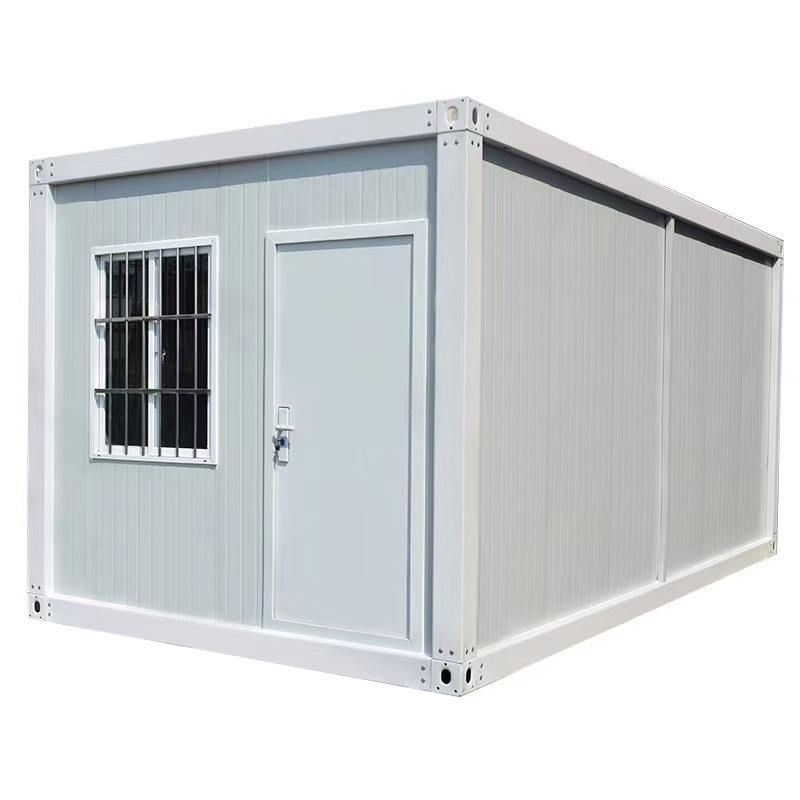
Design Features of Mobile Toilets and Heatstroke Risk
Tongzhou mobile toilets typically adopt enclosed structures, mostly made of metal or plastic. In high-temperature environments, they easily absorb and store heat, causing the internal temperature to be significantly higher than the outside. If the ventilation design is inadequate, the poor internal air circulation will further exacerbate the stuffy feeling. Additionally, some mobile toilets are not equipped with cooling devices such as air conditioners or fans. Prolonged use may increase the risk of heatstroke for users, especially the elderly, children, or those with weaker constitutions.
Usage Scenarios and Heatstroke Triggers
Mobile toilets are mostly set up in outdoor public places, such as scenic spots, construction sites, or temporary event venues. These areas inherently have high temperatures and lack shading facilities. If the interior space of the toilet is small and users stay for a long time (such as when queuing or feeling unwell), heat cannot be dissipated in a timely manner, which may lead to an imbalance in body temperature regulation, triggering dizziness, nausea, and other precursors to heatstroke. Moreover, if the toilet is not equipped with cleaning water or disinfectants, the proliferation of bacteria in high temperatures may worsen physical discomfort and indirectly increase the probability of heatstroke.
Heatstroke Prevention Suggestions and Measures
- Optimize Location and Layout: Place mobile toilets in shaded and well-ventilated areas to avoid direct sunlight. If possible, set up temporary sunshades or plant greenery to lower the surrounding temperature.
- Enhance Ventilation Design: Choose toilet models with exhaust fans or natural ventilation openings to ensure air circulation. Regularly clean the ventilation openings to prevent blockages that affect heat dissipation.
- Shorten Usage Time: Users should try to minimize their stay in the toilet to avoid a rise in body temperature due to the enclosed environment for a long time.
- Replenish Water and Rest: Before and after using mobile toilets in high-temperature environments, replenish water in a timely manner and rest in a shaded area for a while to help the body cool down.
- Responsibility of Management Parties: Operating units need to regularly inspect toilet equipment to ensure the normal operation of the ventilation system. In extreme high-temperature weather, temporary mobile fans or spray devices can be added to assist in cooling.
To further reduce the risk of heatstroke, it is recommended to choose mobile toilets equipped with air conditioners or intelligent temperature control systems, or use temporary cooling methods such as spraying cool water or placing ice packs.



