Toll Station Portable Toilet Design
The design of portable toilets at toll stations should comprehensively consider mobility, environmental protection, durability, and user experience. Here are the specific design points:

I. Design Principles The design of portable toilets should adhere to three core principles:
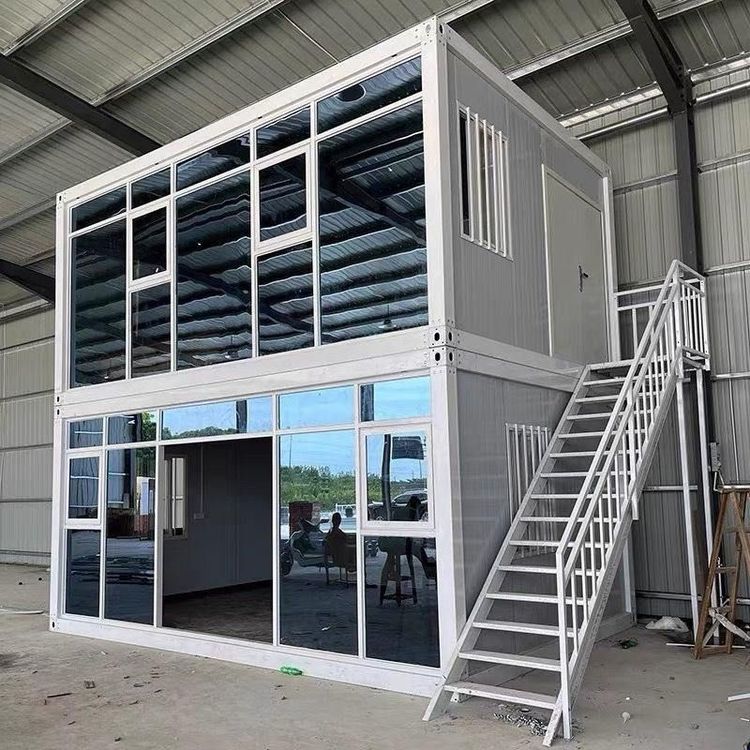
- Mobility and Cost-Effectiveness: The overall structure should be lightweight yet sturdy, prioritizing the use of lightweight, high-strength materials (such as fiberglass, polyethylene, reinforced steel structures, or rot-resistant wood) to reduce transportation costs and enhance wind and earthquake resistance. Additionally, reasonable mobile devices (such as detachable wheel sets or lifting structures) should be designed to ensure rapid deployment and relocation.
- Environmental Protection and Resource Recycling: Choose low-pollution sewage treatment methods based on the traffic volume and environmental conditions at toll stations. For example, water-flush toilets require supporting septic tanks or sewage collection systems; waterless suction-type toilets are suitable for water-scarce areas, reducing water consumption through regular fecal removal; and microbial degradation toilets utilize biological bacteria to decompose excreta, achieving zero emissions.
- Functional Optimization and Humanitarian Care: The internal configuration should meet basic needs, including sinks, flushing devices, grooming mirrors, ventilation systems, and lighting equipment, with a double-layer waterproof roof design to enhance rain resistance. The spatial layout should be reasonable, accommodating barrier-free needs such as wheelchair access.
II. Structure and Material Selection
- Lightweight Structure: Control the height (recommended not exceeding 2.5 meters) and width (compatible with standard transportation vehicles) of the toilet, adopting a modular design for easy disassembly and assembly. For example, walls can be made of honeycomb panels or aluminum-plastic composite materials, reducing weight while ensuring strength.
- Material Upgrades: Traditional wood is prone to decay, so fiberglass (corrosion-resistant and easy to clean), polyethylene (impact-resistant and cost-effective), or rot-resistant wood (natural and aesthetically pleasing, suitable for toll stations in scenic areas) are now commonly used. Custom models can incorporate reinforced steel frames to extend service life to over 10 years.
III. Sewage Treatment Technology Adaptation
- Water-Flush Type: Suitable for toll stations with sufficient water sources and convenient sewage disposal, requiring connection to municipal sewage networks or the construction of small-scale sewage treatment stations.
- Dry Packaging Type: Collects feces in biodegradable plastic bags, which are regularly replaced without the need for flushing, making it suitable for arid or remote areas.
- Foam Sealing Type: Uses foaming liquid to cover excreta, isolating odors and reducing flushing water volume, achieving significant water conservation.
- Microbial Degradation Type: Utilizes built-in bacteria to decompose organic matter into harmless gases, achieving 'zero emissions,' but requires regular maintenance of bacterial activity.
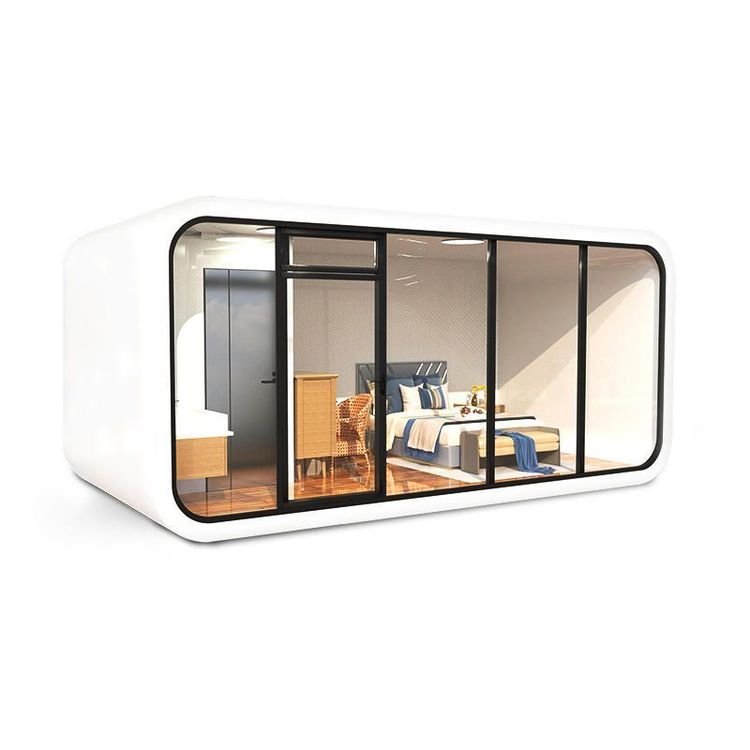
IV. Customization and Intelligent Trends Modern portable toilets support style customization (such as antique or modern minimalist designs) and can integrate intelligent monitoring systems to display real-time usage status, remaining capacity, and environmental parameters (such as temperature, humidity, and ammonia concentration), enhancing management efficiency. Additionally, energy-saving designs such as solar power and sensor-activated faucets further reduce operational costs.