
Toilet Waterproof Mobile Base Installation
The installation of a waterproof mobile base for toilets should follow these steps to ensure structural stability, effective waterproofing, and smooth drainage:
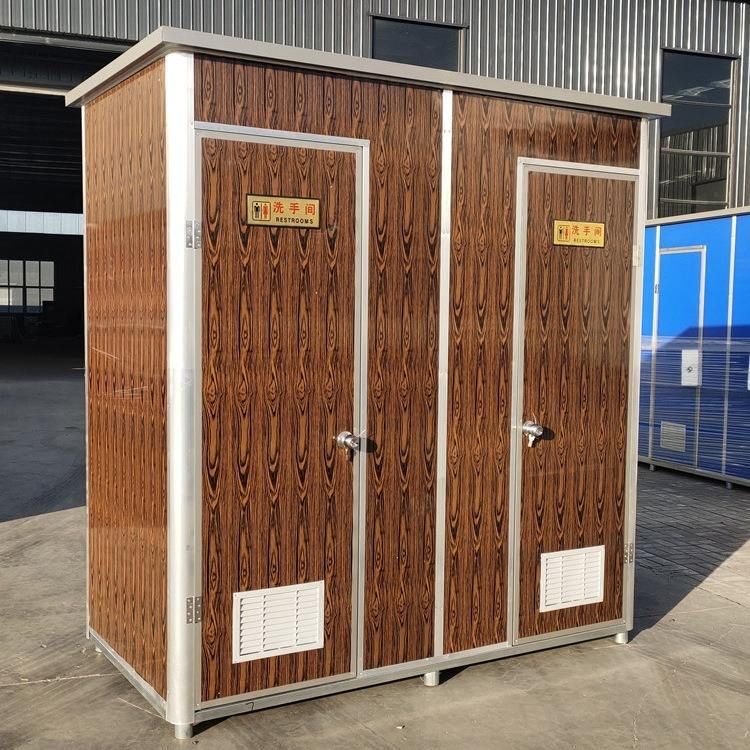
1. Site Selection and Ground Preparation Before installation, choose a solid and level ground surface, such as a cement-hardened ground or asphalt ground. If the ground is made of soil or soft material, foundation treatment is required: lay a 10-15 cm thick layer of crushed stone and compact it, or pour a concrete foundation (with a recommended thickness of 10-15 cm and an area slightly larger than the base) to prevent the toilet from tilting or being damaged due to ground settlement. After foundation treatment, check the flatness to ensure there are no uneven areas.
2. Foundation Preparation and Cleaning If installing on a hard ground surface (such as cement), thoroughly clean the surface to remove sharp debris like sand and glass to avoid scratching the base or the waterproof layer. For long-term fixed installation, it is recommended to pour a concrete foundation layer with a thickness controlled at 10-15 cm and an area covering 10-20 cm beyond the edge of the base to ensure even load-bearing. After the foundation is completed, use a level to check the levelness, with an error not exceeding ±5 mm to prevent the toilet from tilting and affecting use.
3. Main Structure Installation and Sealing Treatment Place the base on the prepared foundation and adjust its position to be centered, maintaining a 5-10 cm gap from the edge of the foundation for easy maintenance later. In traditional toilet installation, the direct contact of the sealing ring with the ground can easily damage the waterproof layer. Modern technology has improved this by: evenly applying waterproof sealant on the surface of the sealing ring, attaching one side to the toilet outlet and inserting the other side into the drain pipe opening to form a double-sealing structure. This method can avoid damaging the waterproof layer during disassembly and facilitate later replacement or maintenance.
4. Sewage System Connection and Slope Control If it is a flushable mobile toilet, it needs to be connected to a sewage pipe. The pipe connection should meet the following requirements:
- Slope Design: The sewage pipe should maintain a slope of 2%-3% (i.e., a drop of 2-3 cm per meter) to ensure the natural flow of waste and prevent blockages.
- Sealing Treatment: A rubber sealing ring should be installed at the connection between the sewage outlet and the external pipe, and waterproof glue should be applied or Teflon tape should be wrapped around the joint to prevent sewage leakage.
- Fixing and Reinforcement: After the pipe connection is completed, fix it with pipe clamps or brackets to prevent the joint from loosening due to vibration.
5. Final Inspection and Functional Testing After installation, a comprehensive inspection should be carried out:
- Levelness Recheck: Confirm again that the base is not tilted to avoid shaking during use.
- Sewage Discharge Test: Pour clean water into the toilet and observe whether the sewage pipe is unobstructed and whether there are any leaks at the joints.
- Waterproof Verification: Check whether the contact areas between the base and the ground and the pipe connections are dry to ensure there is no water seepage.
By following these steps, you can ensure that the waterproof mobile base for the toilet is installed firmly and sealed reliably, meeting long-term use requirements.



