
Toilet Single-Door Sliding Rail Moving Door
Toilet single-door sliding rail moving doors mainly come in two types: single-track sliding doors and single-hanging-rail sliding doors. They are suitable for small-sized bathrooms to save space, and prices vary depending on the material and style.
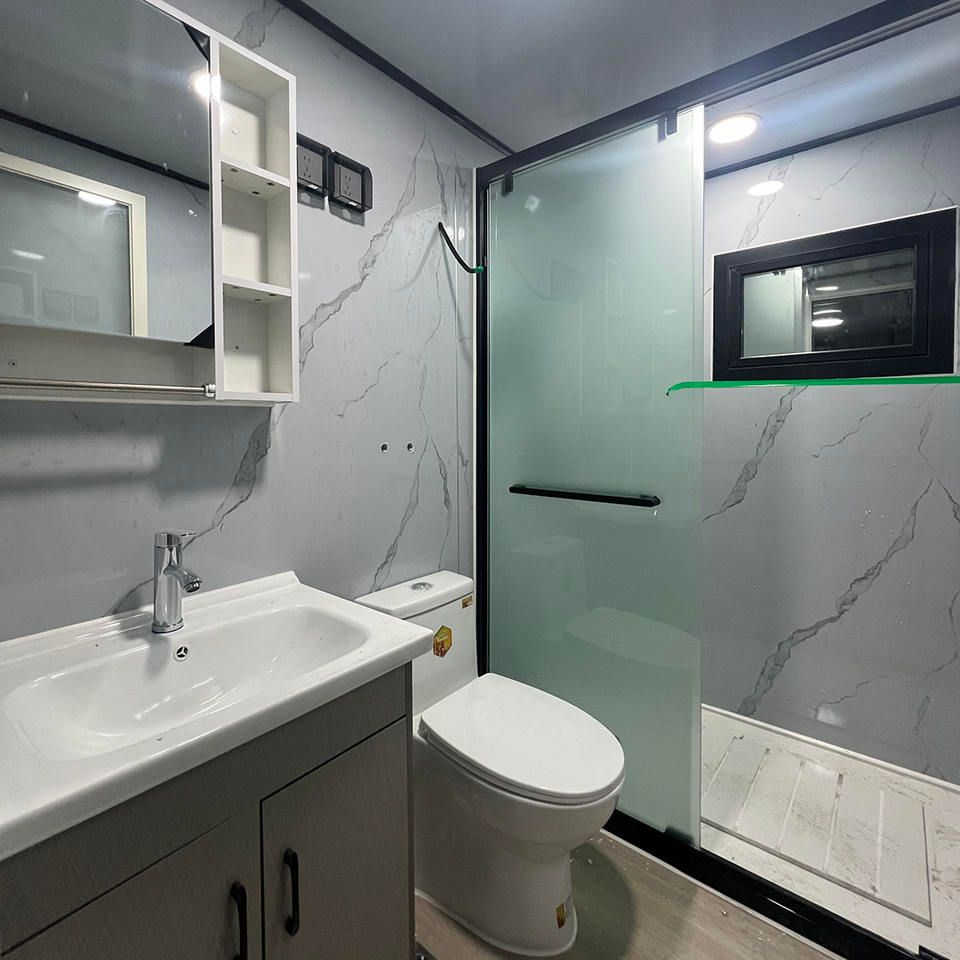
In terms of design types, single-track sliding doors and single-hanging-rail sliding doors are common forms of toilet single-door sliding rail moving doors. Single-track sliding doors usually have tracks installed on the floor, and the door body slides open and closed along the tracks. This design has a relatively simple structure, making installation and maintenance more convenient. Single-hanging-rail sliding doors, on the other hand, have the tracks installed above the door opening, and the door body is suspended on the tracks via hanging wheels for sliding. Their advantage lies in the absence of tracks on the floor, which prevents the accumulation of dust and debris, making cleaning easier. It also avoids the risk of tripping over floor tracks, making it especially suitable for families with elderly people or children.
In terms of price, single-door sliding rail moving doors with different materials and styles have different prices. For example, an aluminum alloy glass single-hanging-rail bathroom door. Aluminum alloy has good strength and corrosion resistance, while the glass adds a sense of transparency to the door. The price of this type of door is approximately 145.35 yuan per square meter. Another example is a custom narrow-frame bathroom and kitchen sliding door. The narrow-frame design is more minimalist and stylish, meeting the needs of different decoration styles, and its price is approximately 76.0 yuan per square meter. Consumers can choose the appropriate material and style according to their budget and decoration requirements.
In addition, toilet single-door sliding rail moving doors have unique applications in some special scenarios. For instance, in 'tide toilets', sliding doors with locks have been used in combination with movable signs. This design can dynamically adjust toilet stall permissions to relieve toilet pressure during peak hours. When a certain toilet stall needs maintenance or other special treatment, it can be locked using the locking function, and at the same time, movable signs can be used to convey relevant information to users, improving the efficiency and management flexibility of the toilet.



