
Toilet, Public Restroom, Mobile Toilet
Mobile toilets are facilities that can be moved as a whole and provide toilet services to the public. They are suitable for a variety of locations and come in multiple types with numerous advantages.
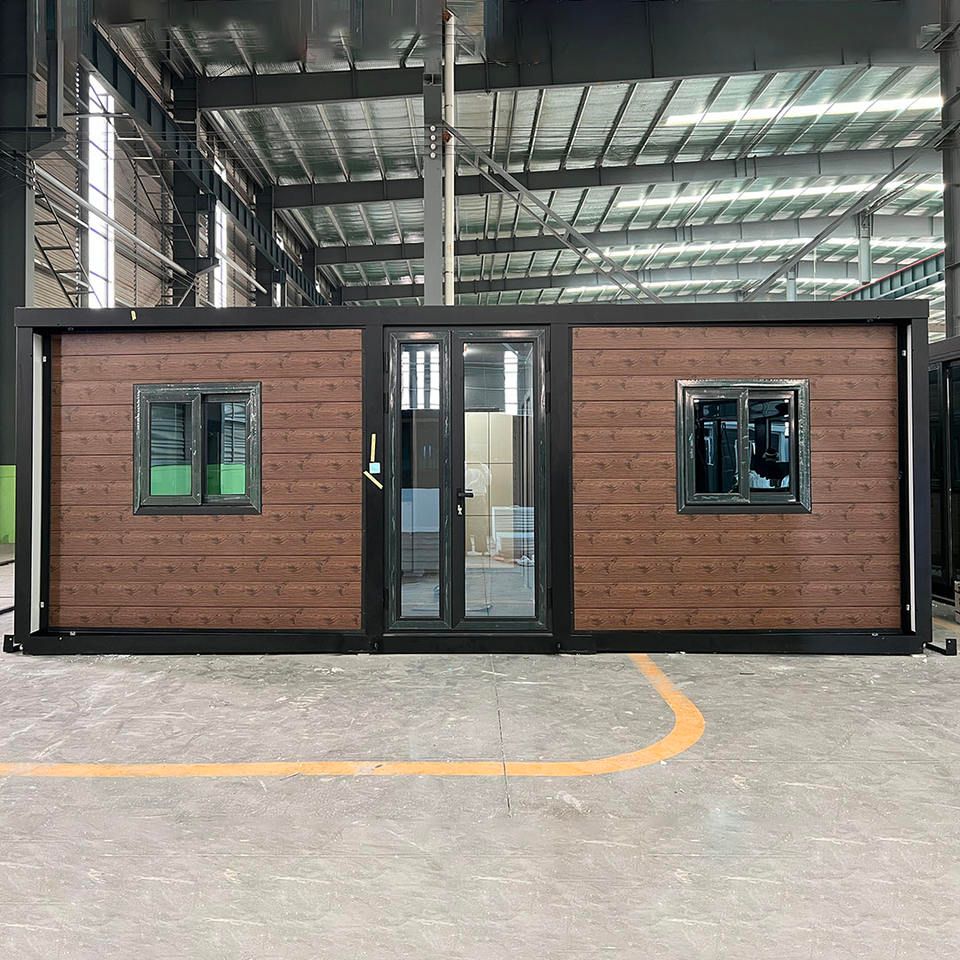
Suitable Locations
Mobile toilets are suitable for stations, docks, tourist attractions, villa areas, newly-built residential communities, large construction sites, squares, densely populated public places, and bustling commercial streets. These locations often have temporary or periodic needs for toilets, or face difficulties in constructing traditional public toilets. Mobile toilets can well meet these needs.
Composition and Structure
Generally, they consist of a fecal sewage storage tank (or fecal sewage treatment device), floor slabs, sanitary ware, walls, washing equipment, water tanks, roofs, and mobile devices. Mobile toilets produced by different manufacturers may vary in specific configurations and designs. For example, the mobile toilets produced by Dezhou Hongtu Metal Products Co., Ltd. have customizable sizes for two-squat-position toilets, with basic and luxury models available. The luxury model has an enlarged overall size, a rainproof design at the front, and public washbasins.
Type Classification
- By structural form: They can be divided into single-structure mobile toilets and composite-structure mobile toilets.
- By mobility method: They can be classified as lifting and handling mobile toilets, powered and towed mobile toilets.
- By sewage treatment method: They are divided into water-flush and waterless suction mobile toilets, circulating water-flush mobile toilets, and dry-packing mobile toilets.
Advantages and Characteristics
They have the advantages of being movable, combinable, and easy to transport. They can be conveniently transported to any location where toilets need to be set up and can be used repeatedly. For example, a mobile toilet occupying an area of 30 square meters has a double roof, metal carved wall panels with color-matching designs for insulation, is shipped as a finished product, and is equipped with sewage discharge, water intake, and power supply.
Development Origin and Design Principles
They originated from people's temporary and periodic needs for toilets in certain situations. Due to the shortage and improper layout of urban public toilets, the government has placed mobile public toilets in areas where it is relatively difficult to build fixed public toilets to make up for the deficiencies in the quantity and layout of public toilets. Their design should follow the principles of being mobile and convenient, economical and durable; environmentally friendly and beneficial to the environment; improving efficiency and promoting humanity.



