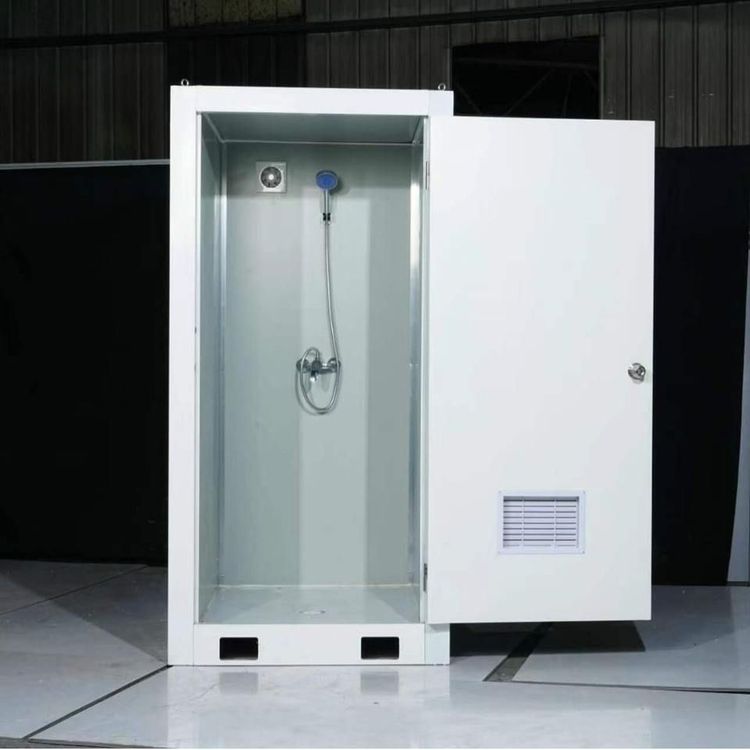
Toilet Portable Heater
There are relatively few products explicitly labeled as 'toilet portable heaters' on the market, but some portable heaters suitable for bathroom scenarios can serve as alternatives, such as the Philips graphene baseboard heater. The following analysis is conducted from three aspects: product type, applicability, and key purchasing considerations:
I. Types of Portable Heaters Potentially Suitable for Toilets
Baseboard-Style Portable Heaters
Taking the Philips graphene baseboard heater as an example, its product description explicitly mentions features like 'mobile floor heating convection' and 'bathroom waterproofing'. These products are typically designed in a long, narrow shape, allowing them to be placed against walls to save space. They are equipped with universal wheels or lightweight bodies at the bottom, facilitating easy movement in small spaces like toilets. Their waterproof rating (e.g., IPX4) meets the requirements for splash resistance in bathrooms, preventing short circuits or damage due to moisture.Portable Mini Heaters
Some mini heaters (such as desktop or handheld models offered by certain brands), although not explicitly labeled as 'toilet-specific,' can be temporarily placed in toilets due to their small size and light weight. It is important to choose products with a waterproof rating of at least IPX2 and avoid direct contact with water sources.
II. Limitations of Fixed Products
Most integrated ceiling or wall-mounted heaters (such as those from brands like Aupu and Midea) require professional installation and have fixed positions. Although these products offer features like waterproofing and rapid heating, they lack mobility and cannot be adjusted according to usage needs, resulting in poor flexibility.
III. Key Considerations for Purchasing a Toilet Portable Heater
Waterproof Performance
Given the humid environment in toilets, it is essential to choose products with a waterproof rating of at least IPX4 to ensure splash resistance. Avoid using ordinary heaters without waterproof markings to prevent the risk of electric shock.Portability
Prioritize products with universal wheels, lightweight bodies, or foldable designs for easy movement or storage in confined spaces.Safety Features
Pay attention to safety designs such as overheating protection and tip-over shutoff to prevent potential hazards caused by prolonged use or accidental collisions.Power and Heating Efficiency
Select an appropriate power rating based on the toilet's size (generally, 1000-2000W is recommended for spaces ranging from 5-15㎡) to ensure rapid heating and energy efficiency.