Waterproof Movable Toilet Partition
Movable toilet partitions are waterproof and can achieve mobility through reasonable design. Here is a detailed explanation of the waterproof and movable characteristics of toilet partitions:

I. Realization of Waterproof Performance
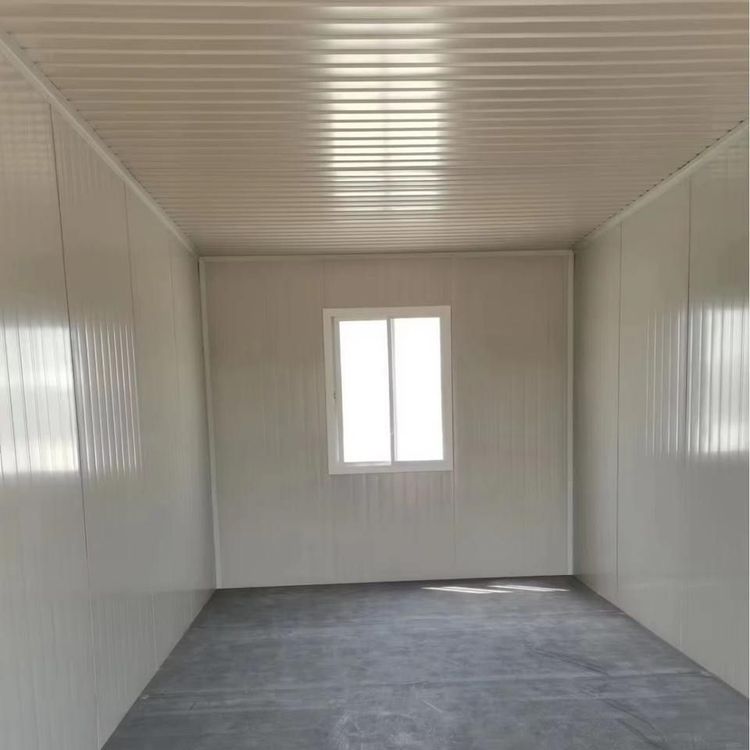
The waterproof design of movable toilets is mainly reflected in two aspects: material selection and structural treatment. The main frame is mostly made of steel structure to ensure overall stability; the exterior wall materials are selected from metal materials such as galvanized steel sheets, stainless steel sheets, or aluminum sheets, which have inherent corrosion-resistant and moisture-proof properties and can effectively resist moisture erosion. The interior partitions often use composite materials such as compact laminate, whose surfaces are specially treated to have high density, wear resistance, and water penetration resistance, and can be exposed to humid environments for a long time without deformation. For example, the compact laminate movable wet-dry separation partition combines the decorative layer with the waterproof core material through a multi-layer lamination process, forming a dense structure that does not absorb water and swell even when directly exposed to water stains. In addition, when laying non-slip floors, a waterproof layer is set up simultaneously, usually using PVC rolls or epoxy resin coatings, to further block moisture penetration into the base layer.
II. Design Principles of Mobility
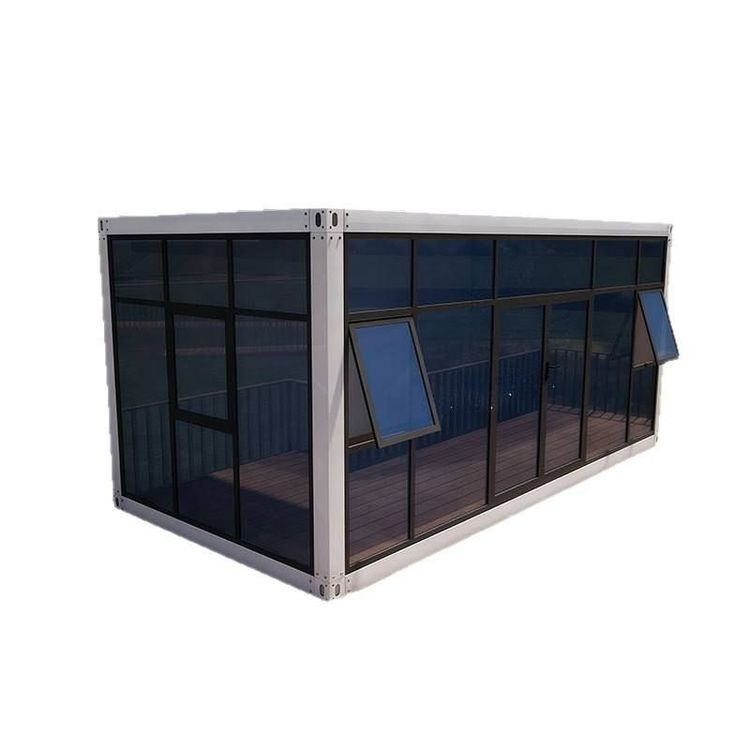
The mobility of movable toilets is achieved through modular structures and lightweight designs. A single-unit movable toilet is an independent compartment with universal wheels or detachable feet installed at the bottom, facilitating manual pushing or forklift handling; combined movable toilets adopt standardized modules connected by bolts or buckles, which can be quickly disassembled into multiple units, stacked during transportation to save space, and reassembled after reaching the destination. This design not only ensures stability during use but also takes into account the need for flexible position adjustments. For example, scenic spots or temporary event venues can dynamically optimize the distribution of toilet stalls by increasing or decreasing the number of modules or adjusting the layout according to changes in pedestrian traffic.
III. Application Scenarios and Advantages
Waterproof movable toilet partitions are widely used in scenarios such as outdoor activities, construction sites, and disaster relief. Their core advantages lie in:
- Strong adaptability: The combination of metal and composite materials can withstand harsh environments such as sun exposure, rain, and temperature differences;
- Easy installation: The modular design shortens the construction period and reduces reliance on fixed facilities;
- Low maintenance costs: Waterproof materials are easy to clean and have better durability than traditional materials, offering higher cost-effectiveness for long-term use.
Through innovations in materials and structures, movable toilet partitions have successfully integrated waterproof and movable functions, providing efficient solutions for temporary sanitation facilities.