
Outdoor Mobile Toilet
An outdoor mobile toilet, also known as a portable toilet, is a facility that can be moved as a whole and provides toilet services to the public.
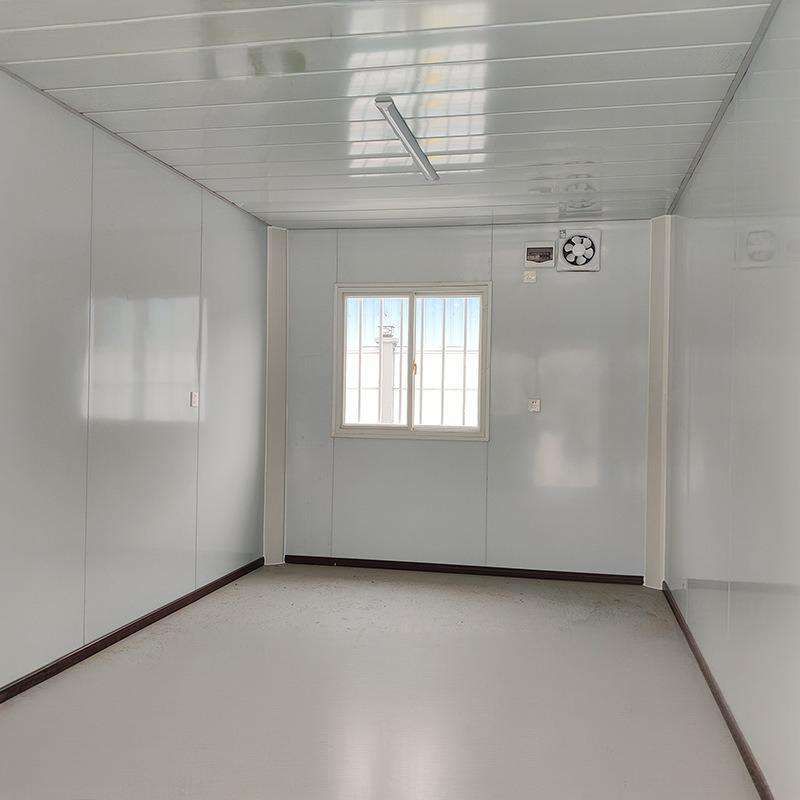
Suitable Locations: Mobile toilets are suitable for a variety of locations, including stations, docks, tourist attractions, villa areas, newly built residential communities, large construction sites, squares, as well as densely populated public places and bustling commercial streets. These places often require flexible and convenient toilet solutions due to factors such as high foot traffic, high costs of building fixed toilets, or limited space. Mobile toilets precisely meet this need.
Structural Components: A mobile toilet generally consists of multiple parts, including a fecal and sewage storage tank (or fecal and sewage treatment device) for collecting and treating excreta; a floor for providing a stable standing and walking surface; sanitary ware such as toilets or squat pans for users to use; walls that form the enclosed space of the toilet and protect user privacy; washing equipment such as washbasins for user cleaning; a water tank for storing flushing water; a roof for sheltering from wind and rain; and a mobile device that enables the toilet to be moved as a whole.
Classification Methods:
- By structural form: They can be divided into single-structure mobile toilets and composite-structure mobile toilets. Single-structure toilets are usually relatively simple and suitable for small-scale use; composite-structure toilets are more complex and may contain multiple functional areas, suitable for large-scale or special-need locations.
- By mobility method: They can be divided into hoisting and handling-type mobile toilets, which require external equipment for movement; and powered and trailer-type mobile toilets, which have their own mobility capabilities or can be towed by vehicles, offering greater flexibility and convenience.
- By sewage treatment method: They can be divided into water-flush and waterless suction-type mobile toilets. The former uses water for flushing, while the latter treats excreta through suction. There are also recirculating water-flush mobile toilets that reduce water consumption by recycling water resources, and dry-packing mobile toilets that package excreta in a dry form for subsequent treatment.



