
Toilet Mobility Issues
Toilet mobility issues need to be addressed based on specific causes. Common situations and handling methods are as follows:
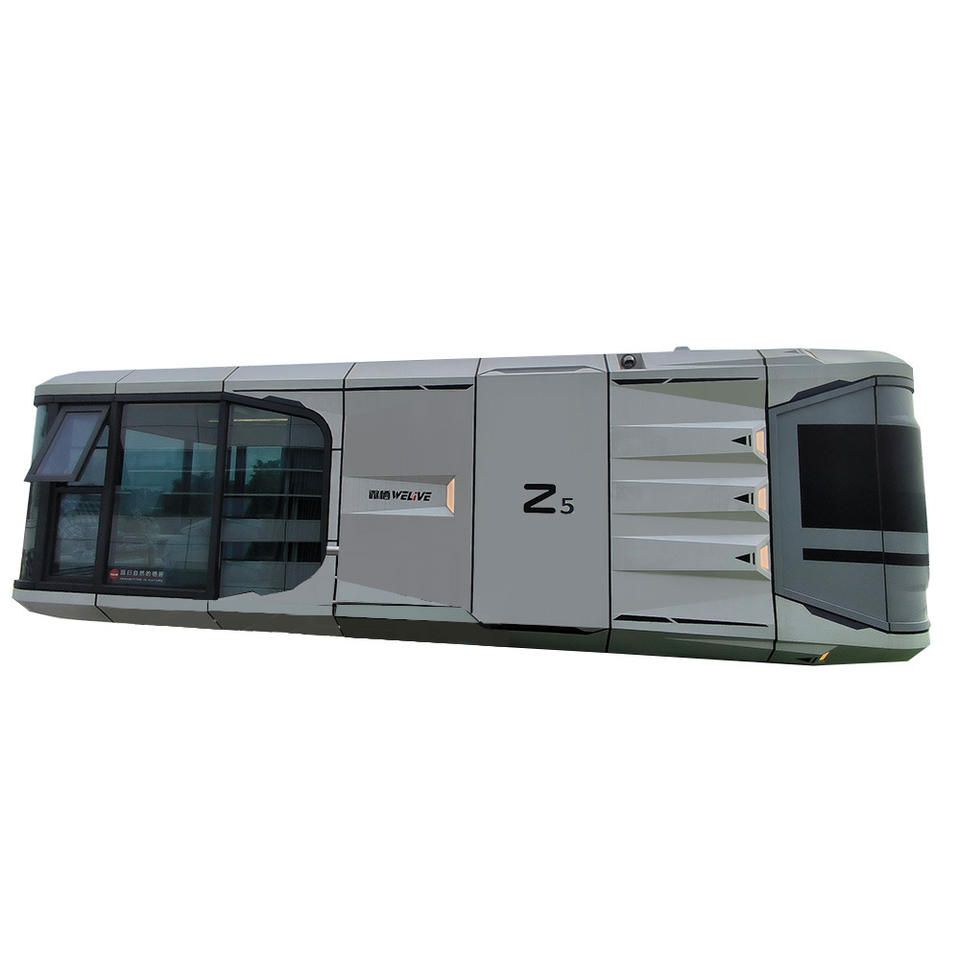
I. Overall Mobility Issues of Mobile Toilets
For large, connected mobile toilets, mobility difficulties may arise due to excessive weight and the lack of mobility devices. These toilets are large in size and heavy in weight. Without auxiliary components like rollers, it is difficult for manual labor or small equipment to move them. The solution is to select an appropriate mobility method according to the toilet's size and weight: Small, single units can be equipped with heavy-duty rollers for easy manual or forklift operation; large, connected units should be of a type that can be hoisted or towed, and moved using forklifts or cranes.
If mobility devices are already equipped but not functioning properly, it is necessary to troubleshoot mobility device failures. Common problems include roller aging, damage, or blockage by debris. For example, after long-term use, roller bearings may wear out, rubber wheel bodies may crack, or ground debris and dust may get stuck in the wheel grooves, all of which can impede rolling. In this case, replace damaged rollers, clear blockages, and check if the wheel axle connections are loose to ensure the device regains flexibility.
II. Mobility Issues of Toilet Doors
If the problem stems from the door hinges, follow these steps:
- Tighten the hinge screws: Loose screws are a common cause of restricted door movement. Use a screwdriver to check each screw on the hinges one by one. If any are loose, tighten them until they can no longer turn, while ensuring that the screws match the screw holes to avoid enlarging the holes due to excessive force.
- Repair enlarged screw holes: Long-term use or loose screws may cause the screw holes to enlarge, making it impossible for the screws to stay fixed. Cut small pieces of wood shavings or fine toothpicks to match the depth of the screw holes, dip them in white glue, and fill them into the holes. After drying, reinsert the screws to restore the grip of the screw holes.
- Replace damaged components: If the hinges have structural damage (such as screw slippage or rivet breakage), replace them with new ones of the same model. When removing the old hinges, use a screwdriver or electric drill to take out the screws. If the rivets are broken, use pliers to pull out the remaining parts. When installing the new hinges, ensure that the installation holes on the door frame and door panel are aligned, and tighten the screws one by one without missing any.
- Regular lubrication and maintenance: Long-term friction between the metal components of the hinges can accelerate wear. It is recommended to apply lubricant (such as WD-40 or special hinge oil) every six months. First, clean the dust on the hinge surface with a dry cloth, then spray the lubricant on the axle center and screws. Open and close the door panel several times repeatedly to evenly distribute the lubricant, reduce friction, and extend the service life.



