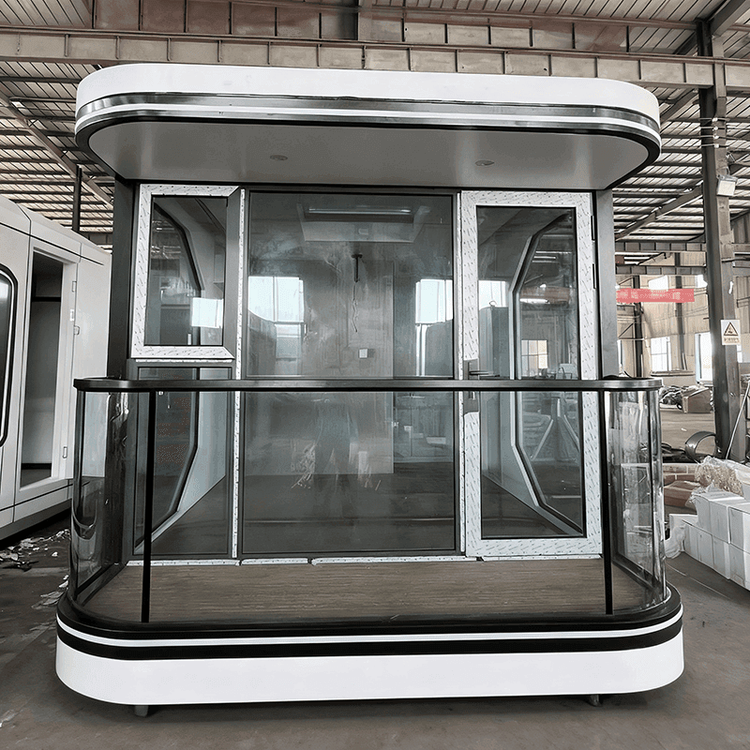
Latest Model of Mobile Toilet
There is no clear and unified definition of the 'latest model of mobile toilet', but there are various types and features of mobile toilets to learn about.
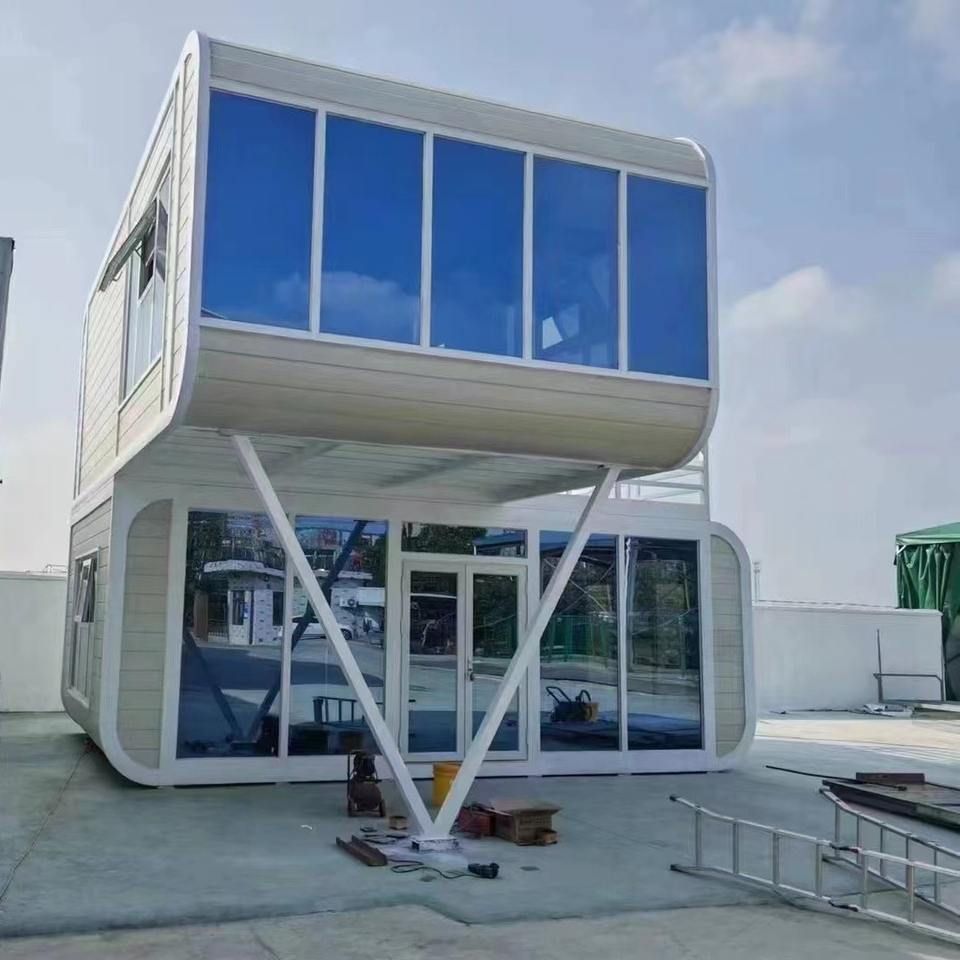
In terms of structural form, mobile toilets are mainly divided into single-unit structure mobile toilets and composite-structure mobile toilets. Single-unit structure mobile toilets are usually relatively small and flexible, suitable for places with limited space or high mobility requirements, such as some temporary small event venues. They can be quickly set up and dismantled, making it convenient to adjust their positions at any time. Composite-structure mobile toilets, on the other hand, are relatively larger in scale and have richer internal functional partitions, which may include multiple independent toilet stalls and hand-washing areas, etc. They can meet the needs of more people using them simultaneously and are commonly found in large-scale events, construction sites, and other crowded places.
Based on the method of movement, there are lifting and handling-type mobile toilets. These toilets mainly rely on external lifting equipment or manual handling to move their positions and are suitable for use in relatively flat and easily accessible environments. Powered and towed-type mobile toilets, on the other hand, have their own power systems or can be moved by being towed by vehicles. They have a wider range of movement and higher flexibility, being able to adapt to transportation needs in different terrains, such as in remote areas or construction sites with complex terrains.
In terms of sewage treatment methods, there are water-flush and waterless suction-type mobile toilets. Water-flush types can provide a relatively good cleaning experience but require a water connection. Waterless suction types process feces through a suction device and do not require a water source, making them suitable for water-scarce areas. Recirculating water-flush mobile toilets can recycle the flushing water, saving water resources and often being used in places with high environmental protection requirements. Dry-packing mobile toilets collect feces in special packaging bags, which are easy to handle and do not cause problems such as sewage overflow. They are widely used in areas with strict sanitary requirements or environmentally sensitive regions.
In addition, there are luxury mobile toilets on the market, which have exquisite interior decorations and complete facilities, providing a comfortable using environment. Foam-sealing mobile toilets use foam to block odors and reduce water consumption, having good environmental protection performance. High-density polyethylene mobile toilets have the advantages of being sturdy, durable, and corrosion-resistant.