
Back to blog
Article
Installing a Portable Air Conditioner in the Toilet
Admin October 08, 2026
Portable air conditioners can be used in toilets, but careful consideration must be given to the installation of the exhaust duct. Priority should be given to direct outdoor exhaust, and if it must be introduced into the bathroom, an independent exhaust system should be installed.
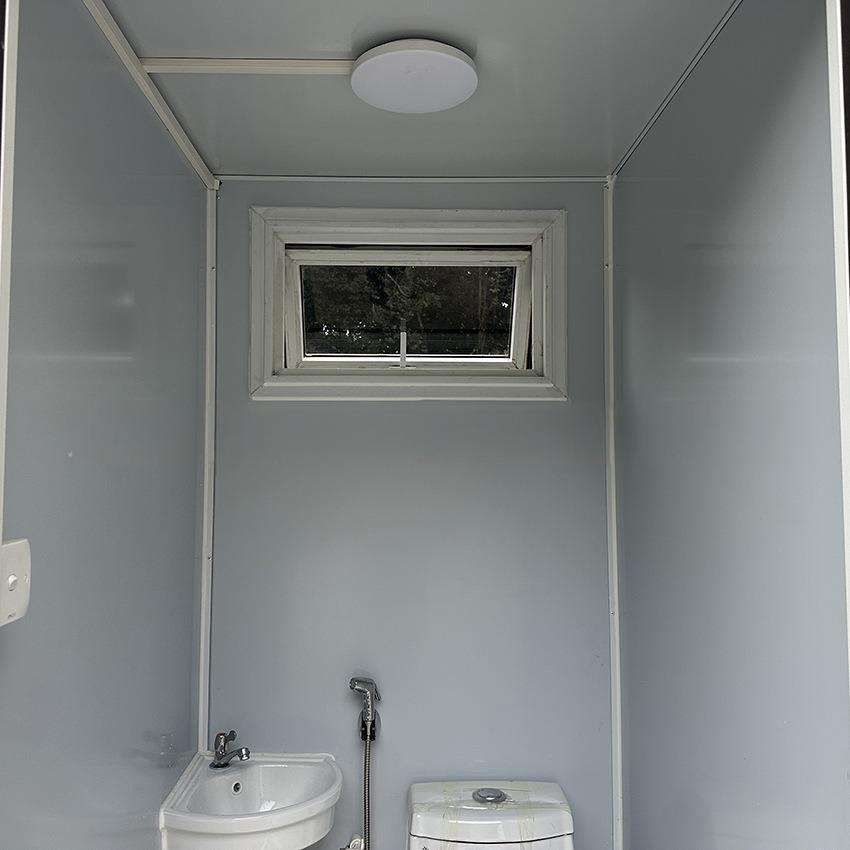
Core Principles of Exhaust Duct Installation
The design purpose of the exhaust duct for a portable air conditioner is to expel indoor hot air and condensed water outdoors. If directly connected to the existing exhaust duct in the bathroom, the following risks exist:
- Air Pollution: The air expelled by the portable air conditioner contains a significant amount of moisture and bacteria, which can easily breed mold in the bathroom, causing foul odors and polluting the indoor environment.
- Pipe Blockage: The mixture of condensed water and dust may block the bathroom exhaust duct, increasing maintenance costs.
- Cleaning Difficulty: Moisture residue can lead to scale buildup on the inner walls of the duct, requiring frequent cleaning for long-term use, otherwise, it will affect exhaust efficiency.
Alternative Solutions for Bathroom Use
If space constraints necessitate introducing the exhaust duct into the bathroom, the following conditions must be met:
- Independent Exhaust System: Install a dedicated exhaust fan in the bathroom to ensure that the air expelled by the portable air conditioner is directly vented outdoors, avoiding cross-connection with the existing exhaust duct.
- Sealing Treatment: The connection between the exhaust duct and the bathroom wall should be sealed with waterproof glue to prevent moisture leakage and mold growth on the wall.
- Regular Maintenance: Inspect the exhaust duct and independent exhaust system monthly, cleaning accumulated dust and condensed water to prevent bacterial growth.
Priority Should Be Given to Direct Outdoor Exhaust
Direct exhaust is a safer and more reliable method, with the following considerations:
- Wall Drilling: Drill a hole (approximately 10-15cm in diameter) in the exterior wall of the toilet and install a dedicated exhaust hood to prevent rainwater from flowing back in.
- Duct Length: Keep the exhaust duct as short as possible (recommended not exceeding 3 meters) to avoid excessive bending, which increases exhaust resistance and affects cooling efficiency.
- Insect Prevention Design: Install an insect screen at the end of the exhaust duct to prevent mosquitoes and other insects from entering the room.
Other Usage Recommendations
- Noise Control: The space in a toilet is relatively small, and the high-speed fan noise (55-60dB) of a portable air conditioner may affect the user experience. It is recommended to choose a model with a "sleep mode" where the low-speed fan noise (45-50dB) is closer to the volume of normal conversation.
- Cooling Efficiency: For toilets up to 15㎡, the temperature difference at the outlet of a portable air conditioner can reach 10-15℃, providing a cooling effect similar to that of a traditional split-type air conditioner. However, doors and windows should be closed to reduce the loss of cool air.
- Brand Selection: Mainstream brands such as Haier and Gree perform better in terms of noise control and energy efficiency ratio and can be prioritized for purchase.
Related



