Movement of Toilet Electrical Outlets
The movement of toilet electrical outlets needs to be discussed on a case-by-case basis. Different methods are required if it involves the adjustment of modular electrical interfaces or the relocation of toilet drain outlets.

I. Adjustment of Modular Electrical Interfaces
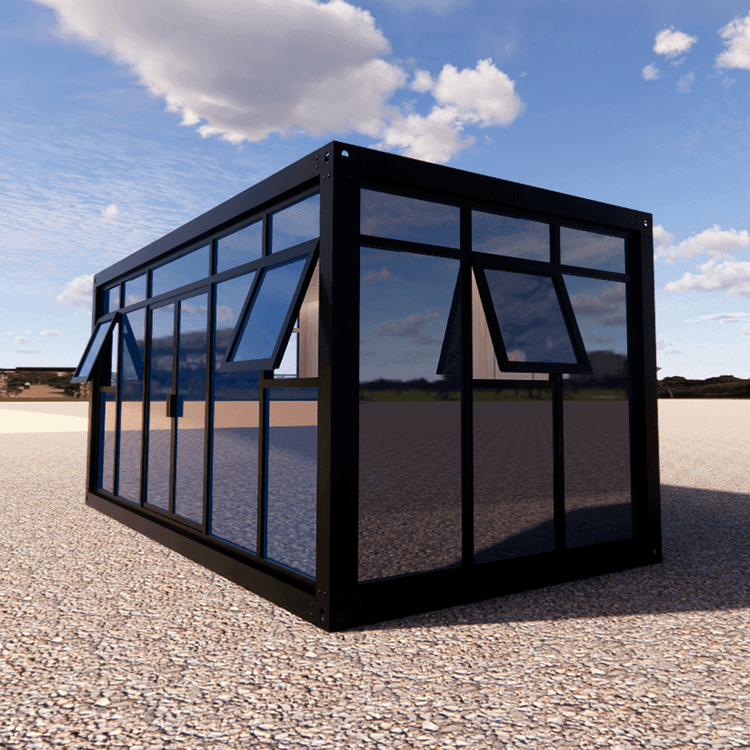
The electrical interface design of movable public toilets adopts a modular structure, consisting of a main module and several expansion modules. The main module is connected to the expansion modules through the first electrical interface module, and adjacent expansion modules are connected through the second electrical interface module. This design allows for the adjustment of the electrical interface position by disassembling or reassembling the modules, such as moving an expansion module from one side of the main module to the other or adjusting the connection sequence between expansion modules.
Movement Characteristics:
- High Flexibility: The modular design enables the adjustment of electrical interfaces without damaging the overall structure, requiring only the disassembly and reinstallation of modules.
- Strong Expandability: If an increase in the number of electrical interfaces is needed, it can be achieved by adding expansion modules, provided that the interface types match.
- Limitations: The reference information does not explicitly mention the specific movement distance, and the actual adjustment range may be limited by module size or wire length.
II. Relocation of Toilet Drain Outlets
If the issue refers to a mismatch between the toilet drain outlet and the position of the bathroom drainpipe outlet, a toilet offset connector is required to adjust the position. The offset connector extends or changes the direction of the drainpipe, aligning the toilet installation position with the drainpipe outlet.
Relocation Rules:
- Common Relocation Distance: 5 to 10 centimeters, suitable for minor positional deviations.
- Special Cases: The maximum can reach 15 centimeters, but the following conditions must be met:
- The floor slope is reasonable to ensure smooth drainage;
- The offset connector is made of PVC or rubber to reduce the risk of blockage;
- After relocation, the pipe must be fixed with cement or sealant to prevent leakage.
- Restrictions: Relocation distances exceeding 15 centimeters may lead to poor drainage, odor backflow, or pipe blockage, so it is not recommended to exceed this range.
III. Precautions
- Electrical Interface Adjustment: It should be operated by professionals to avoid short circuits or equipment damage caused by incorrect wiring connections.
- Toilet Relocation: After relocation, test the drainage effect. If slow drainage or odor is detected, readjust or restore the original position.
- Structural Safety: When adjusting the electrical interfaces of modular toilets, ensure that the modules are firmly fixed to prevent looseness and potential safety hazards.
If the issue involves other types of 'toilet electrical outlet movement', the specific scenario (such as home bathroom renovation, public toilet expansion, etc.) needs to be further clarified to provide more precise answers.