
Actual Shot of Toilet Door Moving Position
Currently, there is no direct actual footage of the toilet door moving position, but its effects and possibilities can be indirectly understood through design plans and actual shots of similar scenarios. The following provides an explanation from two perspectives: design plans and actual shots of similar scenarios.
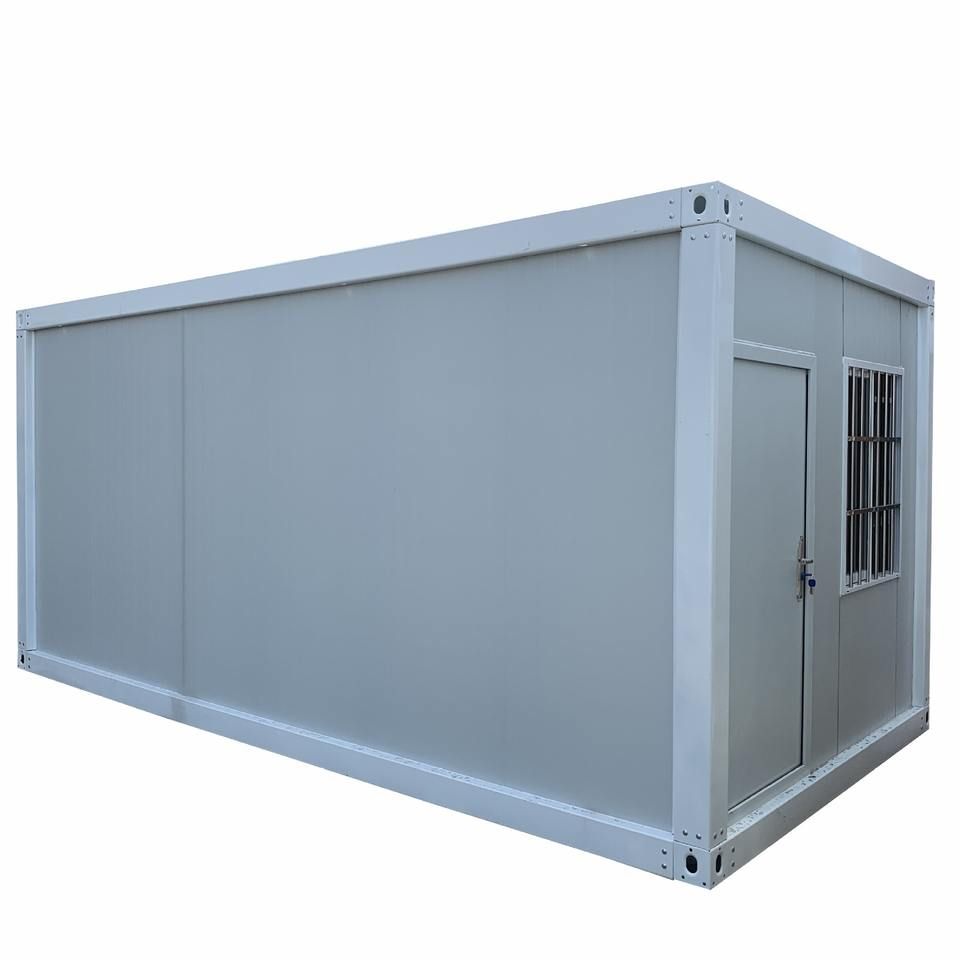
Design Plan for Moving the Position of the Bathroom Door
In limited spaces, moving the position of the bathroom door is a common method to optimize layout. Taking a 4㎡ bathroom as an example, if the original door position restricts space utilization, moving the door inward by a certain distance can achieve various efficient layouts. For instance, the "sliding door + II-shaped layout + additional storage" plan saves the opening space required by traditional swing doors. The II-shaped layout reasonably divides the washing area, toilet area, and possible activity area. The space freed up after moving the door can be used to set up wall cabinets or shelves, increasing storage capacity for items such as toilet paper and cleaning supplies. Another plan, the "sliding door + II-shaped layout + linear shower area", allows for a more regular space to be reserved for the shower area after moving the door. The linear design makes the shower area relatively independent from the toilet and washing areas, enhancing user comfort. These plans demonstrate that moving the position of the bathroom door can significantly improve space utilization efficiency and meet different functional needs.
Actual Shot of a Similar Scenario in a Double-Door Mobile Toilet Fixed Container
Although the on-site actual shot of a double-door mobile toilet fixed container does not directly show the door moving process, it provides a reference for external and internal configurations. The exterior is equipped with a pedestal sink and a washing mirror for user convenience in cleaning. Internally, the male and female restrooms are clearly divided, and the toilet space is reasonably planned. The doors of such mobile toilets are usually designed to be flexibly opened and closed, and their positions need to consider personnel flow, privacy protection, and space utilization. For example, the double-door design may correspond to the entrances of the male and female restrooms, respectively. The opening direction and position of the doors need to avoid mutual interference while ensuring effective use of the internal space. This indirectly reflects that the position design of mobile toilet doors needs to comprehensively consider functionality and practicality, sharing similarities with the design思路 for moving the position of ordinary bathroom doors.



