
Movable Screen Partition for Toilet Door
A movable screen partition for the toilet door can effectively solve the problem of an unsightly view when the toilet door opens directly onto the living space, with common forms including fixed-type screen partitions and single-panel movable screen curtains. The following provides an explanation from the perspectives of function, type, and limitations:
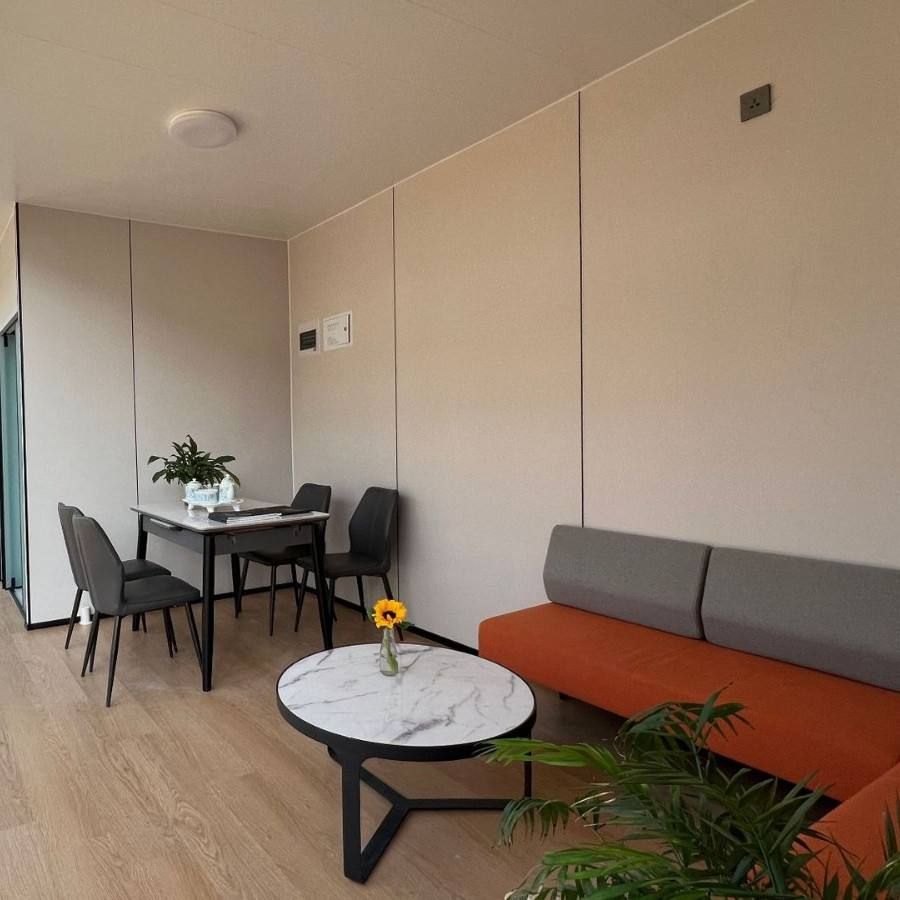
From a functional standpoint, its core role is space separation and visual obstruction. When the toilet door faces the entrance door or living room directly, the exposed layout of the bathroom can detract from the overall aesthetic appeal and may even cause psychological discomfort due to feng shui beliefs. The movable screen partition creates a soft separation between the bathroom and public areas through physical obstruction, maintaining a sense of spatial openness while avoiding visual conflicts. For example, placing a screen between the entrance foyer and the bathroom can redirect the line of sight to other decorative areas, enhancing the spatial hierarchy.
In terms of types, there are currently two main implementation methods.
The first is the fixed-type movable screen, which typically employs a frame structure (such as wood or metal) paired with panel materials (such as glass, fabric, or bamboo weaving). It achieves horizontal movement through bottom rollers or tracks. Such screens are usually 1.5 to 2 meters in height, with widths customized according to spatial requirements. Installation requires reserving track space or securing roller bases, making them suitable for large-area separation scenarios.
The second is the single-panel movable screen curtain, primarily made of lightweight materials (such as sheer curtains or PVC curtains). It controls the left-right sliding of the curtain panels through top tracks and pull cords. Its advantages include minimal space occupation, flexible operation, and low cost. However, its obstruction effect and privacy are relatively weaker, making it more suitable for scenarios with high transparency requirements.
It should be noted that the current information does not cover specific materials, dimensions, or installation details. When making an actual selection, factors such as spatial dimensions (e.g., the screen height should be above eye level), material properties (e.g., frosted or patterned glass should be chosen for glass screens to ensure privacy), and installation methods (track installation requires pre-planning of wall or floor fixing points) should be considered. Additionally, the stability and ease of cleaning of the movable screen are also important considerations. For example, metal-framed screens require rust prevention treatment, and fabric panels need regular dusting.



