
Adding Mobile Light Sources in Toilets
Adding mobile light sources in toilets can be achieved by optimizing lighting design. The specific solutions are as follows:
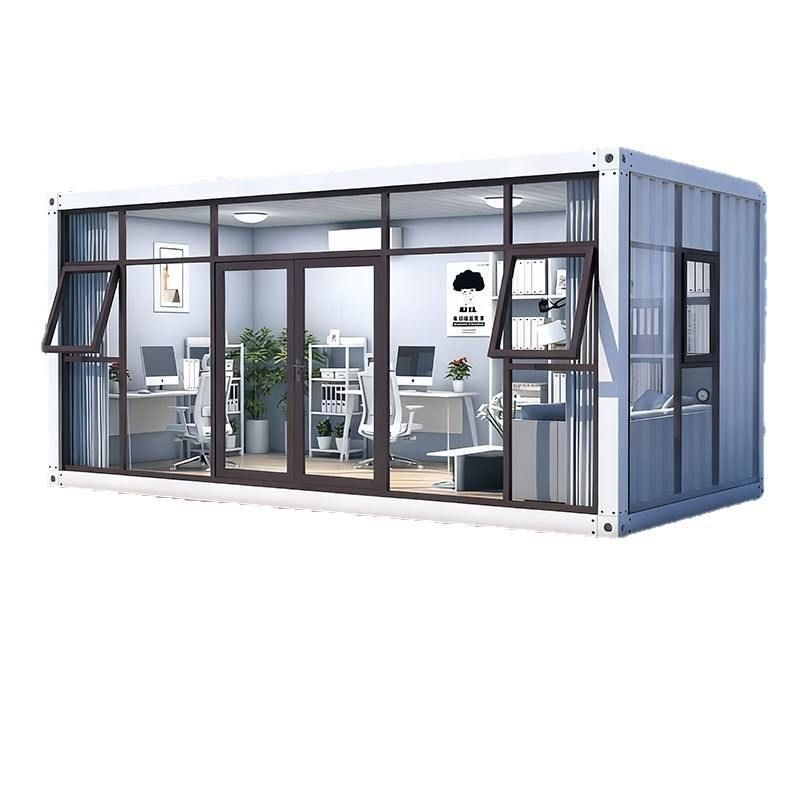
I. General Lighting: Selection and Layout of Main Light Sources
The main light sources should ensure uniform brightness throughout the space and avoid shadow interference. Ceiling lights or downlights are common choices, and their installation positions should be centered or cover the main activity areas. For example, Baotou Jiahe mobile toilets use IP65 waterproof ceiling lights as the top general lighting, which not only meet the moisture-proof requirements but also provide stable light sources. If the space is large, multiple downlights can be used in combination, and their angles can be adjusted to achieve full coverage without dead spots.
II. Local Lighting: Targeted Design for Functional Areas
For specific areas such as the washing and toilet areas, local light sources need to be supplemented to enhance the user experience.
- Washing Area: Installing mirror cabinet lights or recessed light strips can eliminate facial shadows, facilitating makeup application or shaving. The light strips can be embedded in the upper and lower edges of the mirror cabinet, providing soft and non-glaring light. In Baotou Jiahe's solution, the washing area is equipped with vertical LED light strips with a high color rendering index (CRI ≥ 90), which can truly restore skin tones and improve visual comfort.
- Toilet Area: If space permits, an adjustable-angle wall light can be installed above the toilet to avoid direct light in the eyes during nighttime use.
III. Ambient Lighting: External Outlines and Decorative Light Sources
The external lighting of mobile toilets should balance functionality and aesthetics. Embedding soft light strips can outline the building's contours and enhance nighttime visibility. For example, Baotou Jiahe embeds low-brightness light strips on the exterior of the toilets, creating a warm atmosphere while avoiding light pollution. Additionally, motion-sensing floor lights can be installed at the entrance, which automatically turn on when someone approaches, guiding the way while saving energy.
IV. Flexible Design of Mobile Light Sources
If mobile light sources are required, the following solutions can be adopted:
- Rechargeable LED Lights: Choose magnetic or hook-type designs that can be easily attached to metal surfaces or hung where needed, suitable for temporary lighting.
- Smart Motion-Sensing Lights: Triggered by human infrared or light sensors, these lights automatically adjust brightness and are suitable for nighttime toilet use.
- Modular Lighting System: For example, Baotou Jiahe's three-level lighting design uses separate switches to control the lighting in different areas independently, allowing flexible adaptation to different time periods.
Precautions: All light sources should have a waterproof rating (such as IP65) to adapt to humid environments, and low-energy, long-life LED light sources should be preferred to reduce maintenance costs.



