
Back to blog
Article
Installation of Vehicle-mounted Mobile Toilets in Tibet
Admin October 05, 2026
The installation of vehicle-mounted mobile toilets in Tibet needs to incorporate the characteristics of the plateau environment, with the following key points:
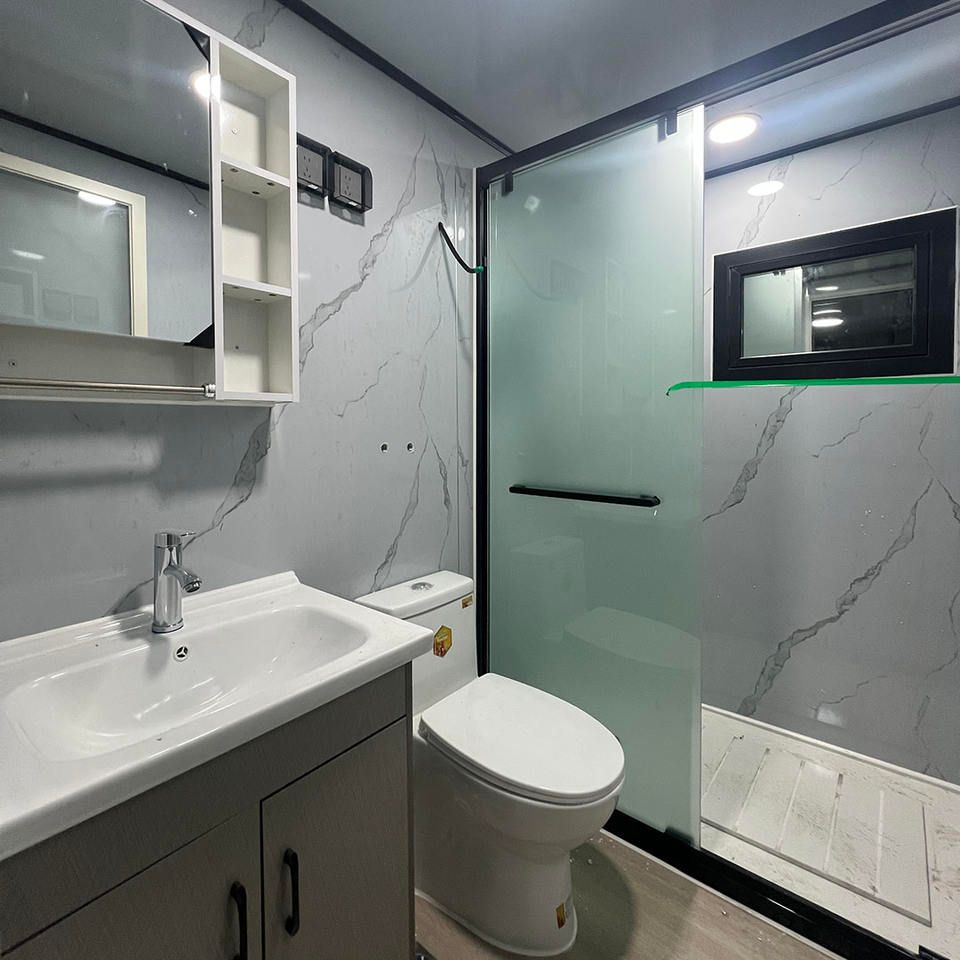
1. Material Selection and Corrosion Prevention
- UV-resistant and Insulating Materials: The surface coating of color steel plates must possess UV aging resistance, with internal filling of polyurethane or rock wool insulation layers to cope with the low-temperature environment of the plateau.
- Metal Connectors: Use galvanized or stainless steel materials to prevent metal oxidation and corrosion caused by the thin air and low oxygen content at high altitudes.
2. Foundation Adaptability Design
- Permafrost Layer Treatment: Evaluate the thickness of the permafrost layer and prioritize the use of concrete independent foundations or steel frame elevated foundations to avoid ground deformation caused by freeze-thaw cycles.
- Flatness Control: Use a laser level to detect the flatness of the foundation, allowing an error of ≤3 millimeters to ensure structural stability.
3. Modular Structure Assembly
- Transportation and Assembly: The main frame is connected by prefabricated steel keel components using high-strength bolts, which are decomposed into planar components for transportation to reduce difficulty; on-site assembly follows a modular logic.
- Air Tightness Guarantee: Wall and roof panels adopt a hidden buckling system, with special sealing strips filled at joints to prevent strong wind infiltration; door and window sealing levels must meet wind and sand resistance standards.
- Functional Integration: Indoor modules (such as squat toilets, water-saving flushing systems, ventilation ducts) use standardized interfaces for quick installation after the main structure is completed.
4. Plateau Environment Adaptability Modifications
- Ventilation and Anti-freezing: Equip with bidirectional ventilation devices to balance indoor temperature and air circulation; install electric tracing on water supply and drainage pipes to prevent freezing in winter.
- Power System: Use solar photovoltaic panels and lithium iron phosphate battery packs for off-grid power supply, prioritizing the operation of lighting, ventilation, and fecal treatment system insulation devices, which can maintain basic functions for 168 hours in rainy weather.
- Roof and Doors/Windows: The roof is designed as inclined for easy snow and rain sliding and to provide an installation angle for solar panels; door and window hinges have anti-loosening features to adapt to strong wind environments.
5. Installation Quality Control and Testing
- Structural Verification: Use a plumb line for double verification of verticality, tighten bolt connection points to preset torque values, and mark the inspection status.
- Waterproof and Insulation Testing: Use the segmented water injection method to detect the sealing of drainage interfaces; insulation resistance testing ensures that electrical circuits meet plateau low-pressure safety standards.
- Functional Debugging: Adjust the response time of the flushing valve to 0.5-1 second; the negative pressure ventilation system has an air exchange efficiency of ≥15 times per hour; the temperature control system simulates diurnal temperature differences and operates continuously for 48 hours, recording technical data chains.
6. Advantages of Modular Design
- Permafrost Protection: The steel frame is connected to the ground through adjustable anchor bolts to avoid disturbing the permafrost layer by deep excavation.
- Low-temperature Fecal Treatment: Rely on biological degradation and physical separation mechanisms, maintaining microbial activity through electric auxiliary heating at low temperatures, extending the treatment cycle by 40%-60%.
- Rapid Installation and Environmental Protection: The entire process can be completed within 72 hours, using portable geological radar to adjust the height of anchor bolts without generating construction waste.



