
Design of Single Mobile Toilet in Tibet
The design of single mobile toilets in Tibet focuses on environmental adaptability and practicality, achieving efficient operation through modular structures, special materials, climate-adaptive technologies, and resource recycling systems.
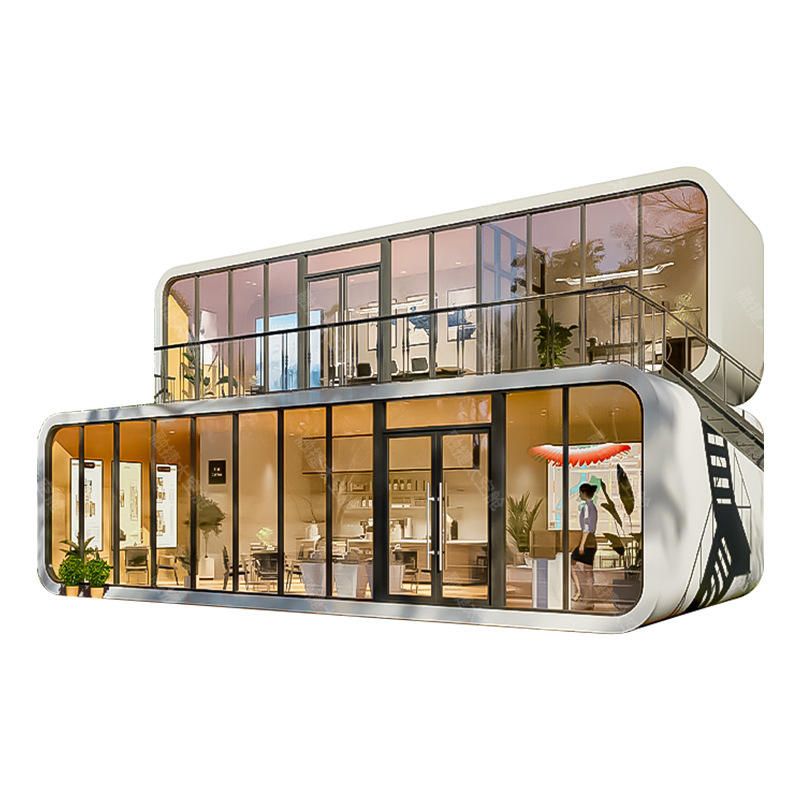
1. Modular Structure and Transportation Assembly
Standardized modular design is adopted for easy transportation and rapid assembly in complex high-altitude terrains, such as mountainous and permafrost regions. Modules can be flexibly combined, supporting internal functional adjustments, such as adding or removing toilet stalls or handwashing areas based on foot traffic, to meet the needs of tourist attractions, temporary construction sites, and other scenarios.
2. Weather-Resistant Material Selection
The main structure prioritizes the use of composite materials that are resistant to low temperatures and ultraviolet aging, such as specially formulated engineering plastics or fiberglass-reinforced plastics, to prevent material embrittlement caused by intense sunlight at high altitudes. Some designs incorporate galvanized steel frames with waterproof asphalt shingle roofs to enhance structural stability and resist strong winds, rain, and snow.
3. Enhanced Climate Adaptability
To address the characteristics of large diurnal temperature variations and low oxygen levels at high altitudes, internal insulation devices (such as polyurethane foam layers) are installed to reduce heat loss and prevent pipe freezing. Structurally, thicker walls and optimized wind resistance coefficients are used to improve wind load resistance, preventing roof blow-offs or wall deformations caused by strong winds.
4. Sewage Treatment and Resource Recycling
Integrated and optimized sewage treatment technologies may employ a combination of physicochemical methods (such as flocculation and sedimentation) and biological treatment processes, or be equipped with insulation and auxiliary oxygen supply devices to enhance microbial decomposition efficiency in low-temperature environments. Some designs incorporate rainwater collection and filtration systems, combined with vacuum water-saving technologies to reduce water consumption. Energy supply is achieved through solar photovoltaic panels and energy storage batteries, enabling off-grid operation and reducing dependence on external utility networks.
5. Internal Configuration and Intelligence
Basic units are equipped with essential facilities such as squat toilets, handwashing basins, exhaust fans, and ceiling lights; enhanced models include warm water handwashing, emergency call buttons, and status monitoring modules. The monitoring system can remotely transmit data on sewage tank capacity and equipment operation status, facilitating timely maintenance by management personnel.
6. Maintenance Convenience and Safety
Material selection emphasizes durability and ease of cleaning, such as the use of anti-fouling coatings to reduce dirt adhesion. Some products undergo multi-functional tests, including power-on and waterproofing tests, before leaving the factory to ensure stable operation after delivery. Design features include reserved maintenance ports for regular cleaning of sewage tanks or replacement of components, extending service life.



